
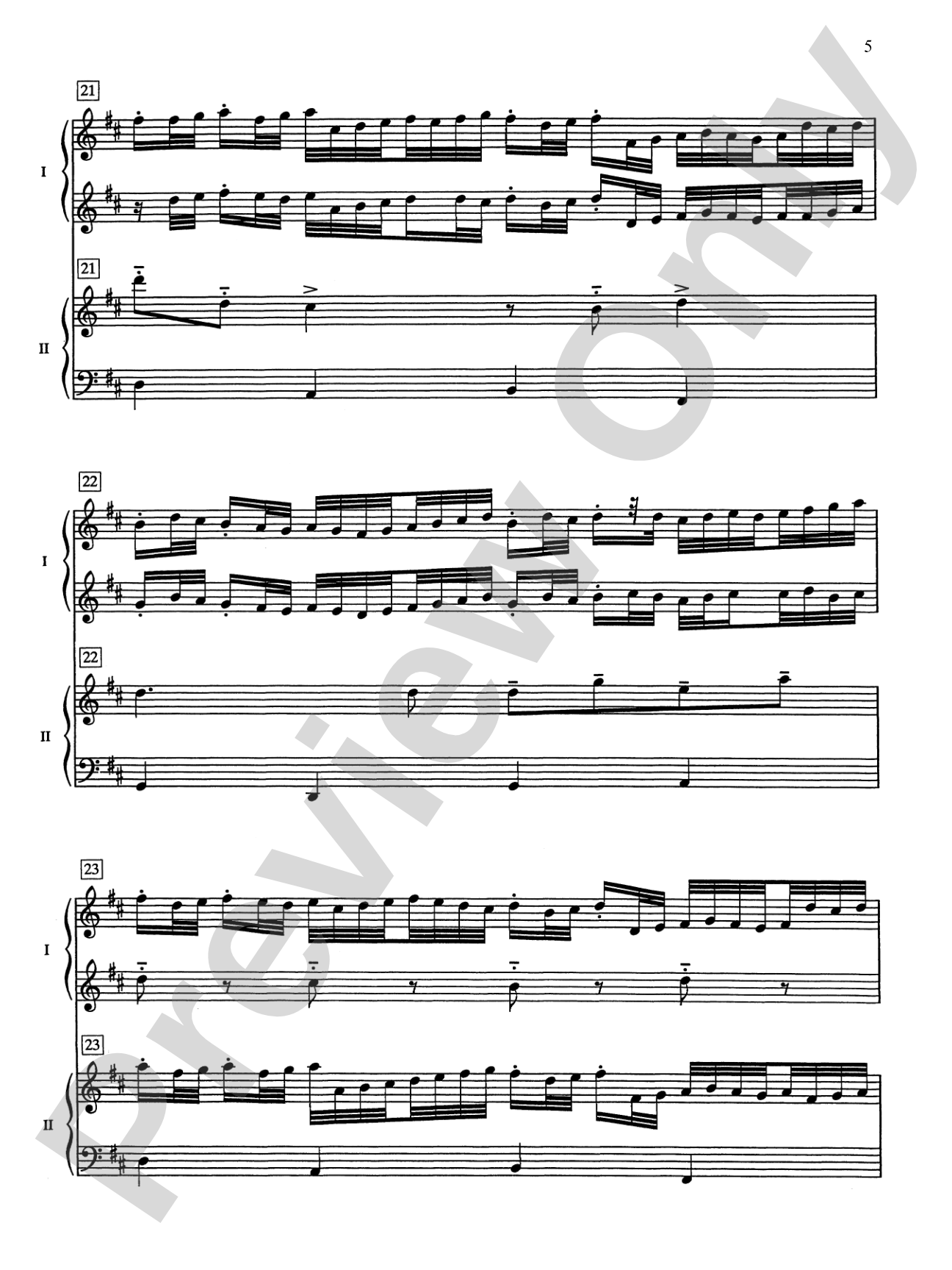
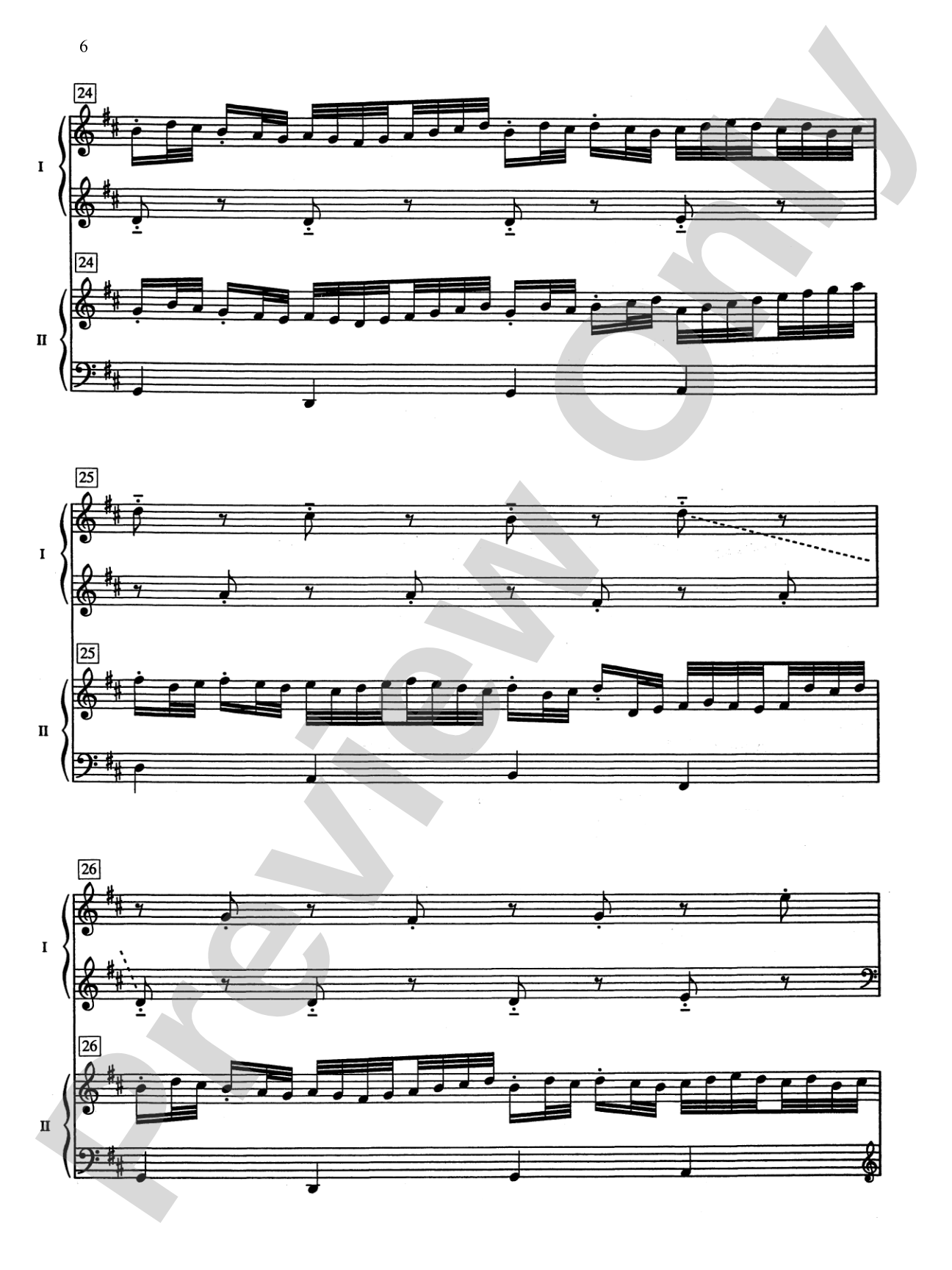
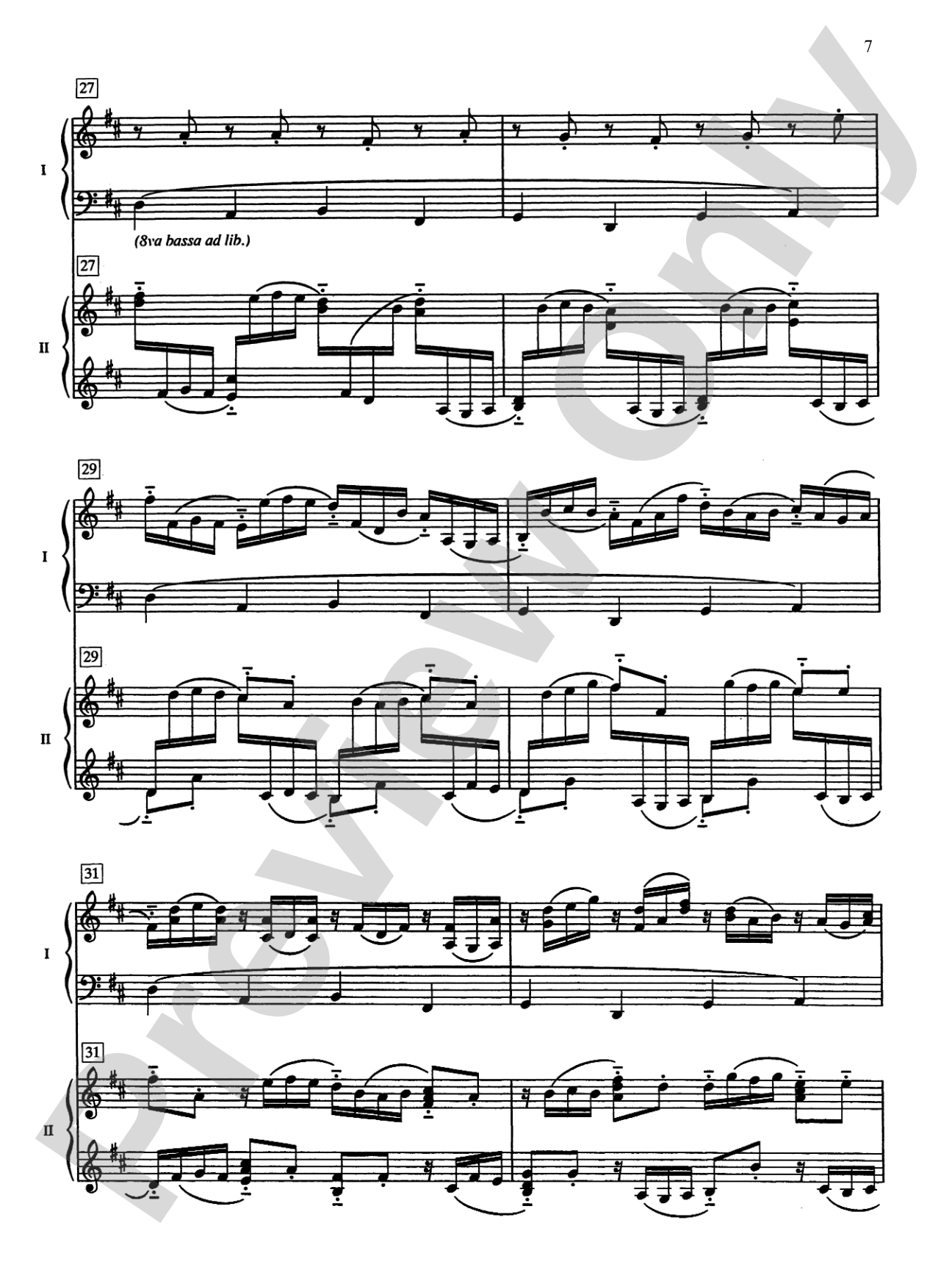
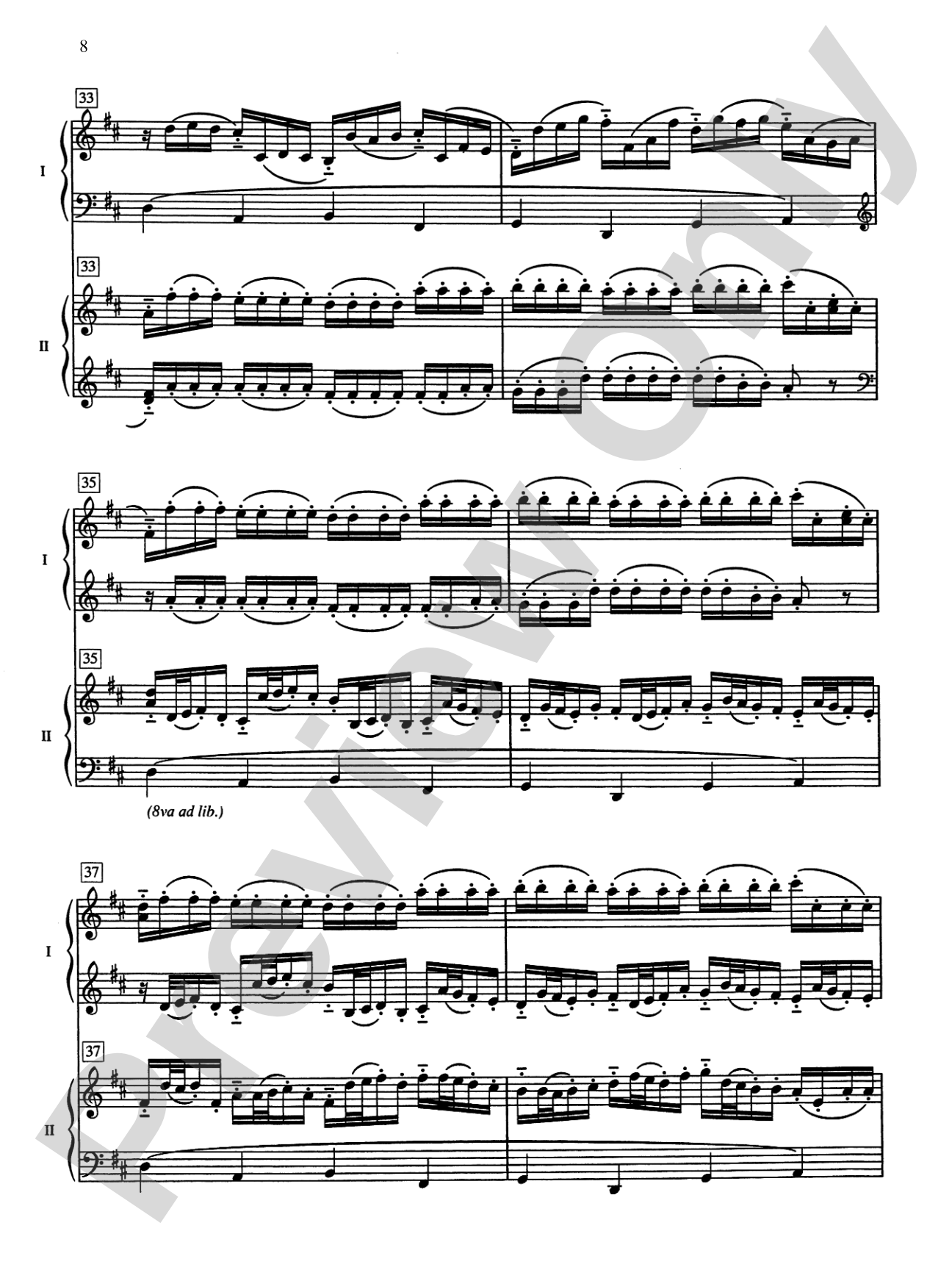
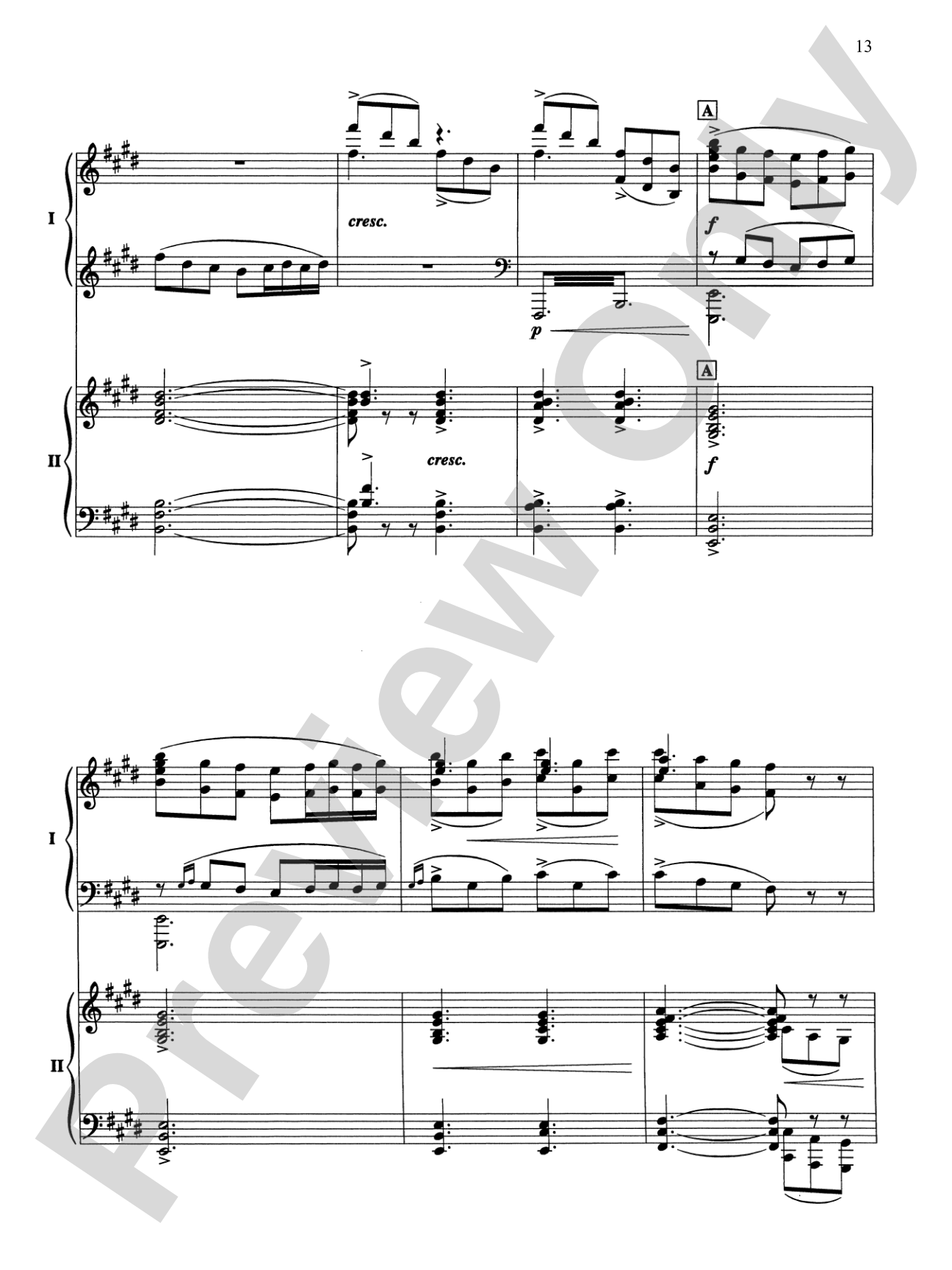
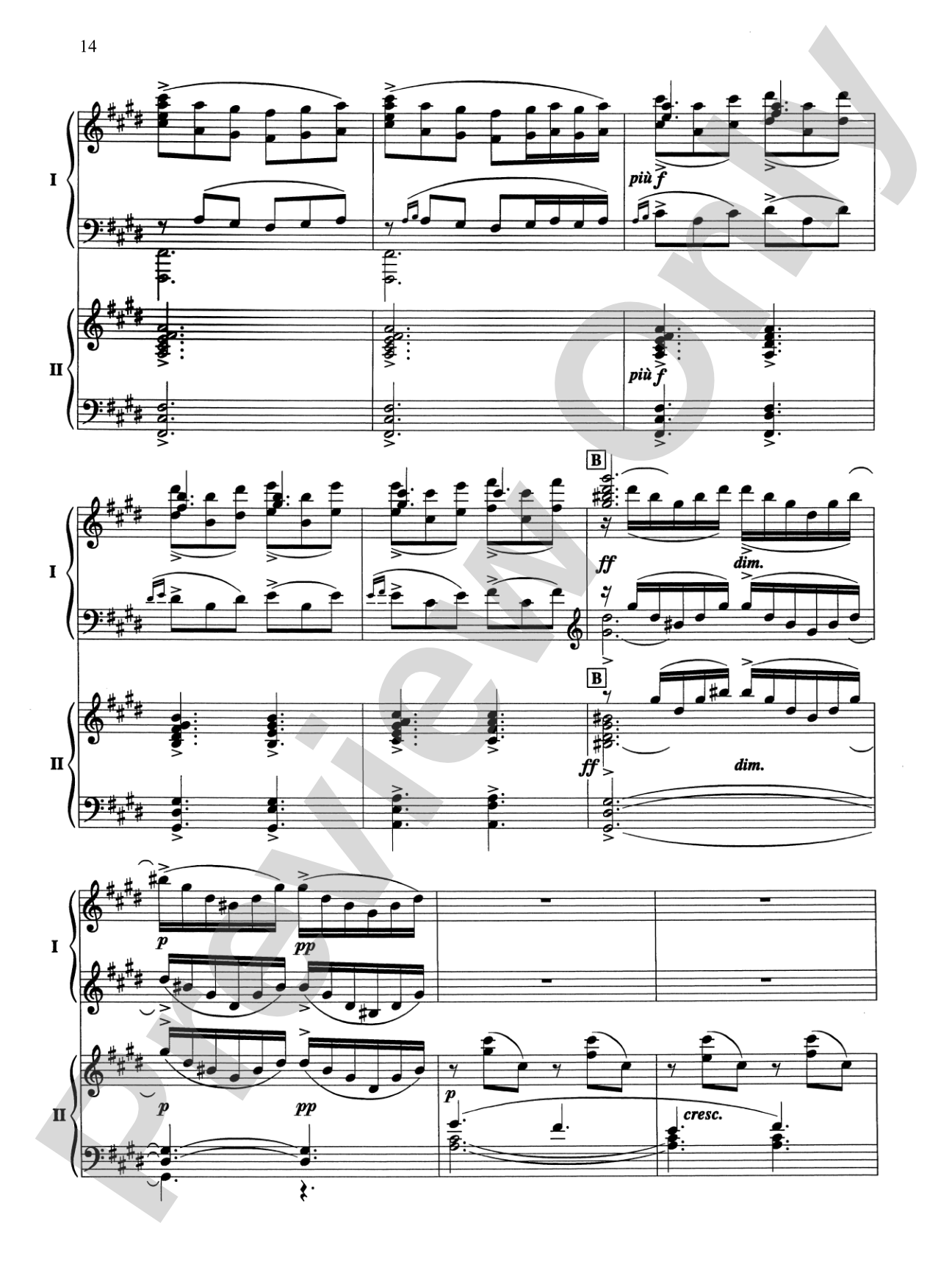
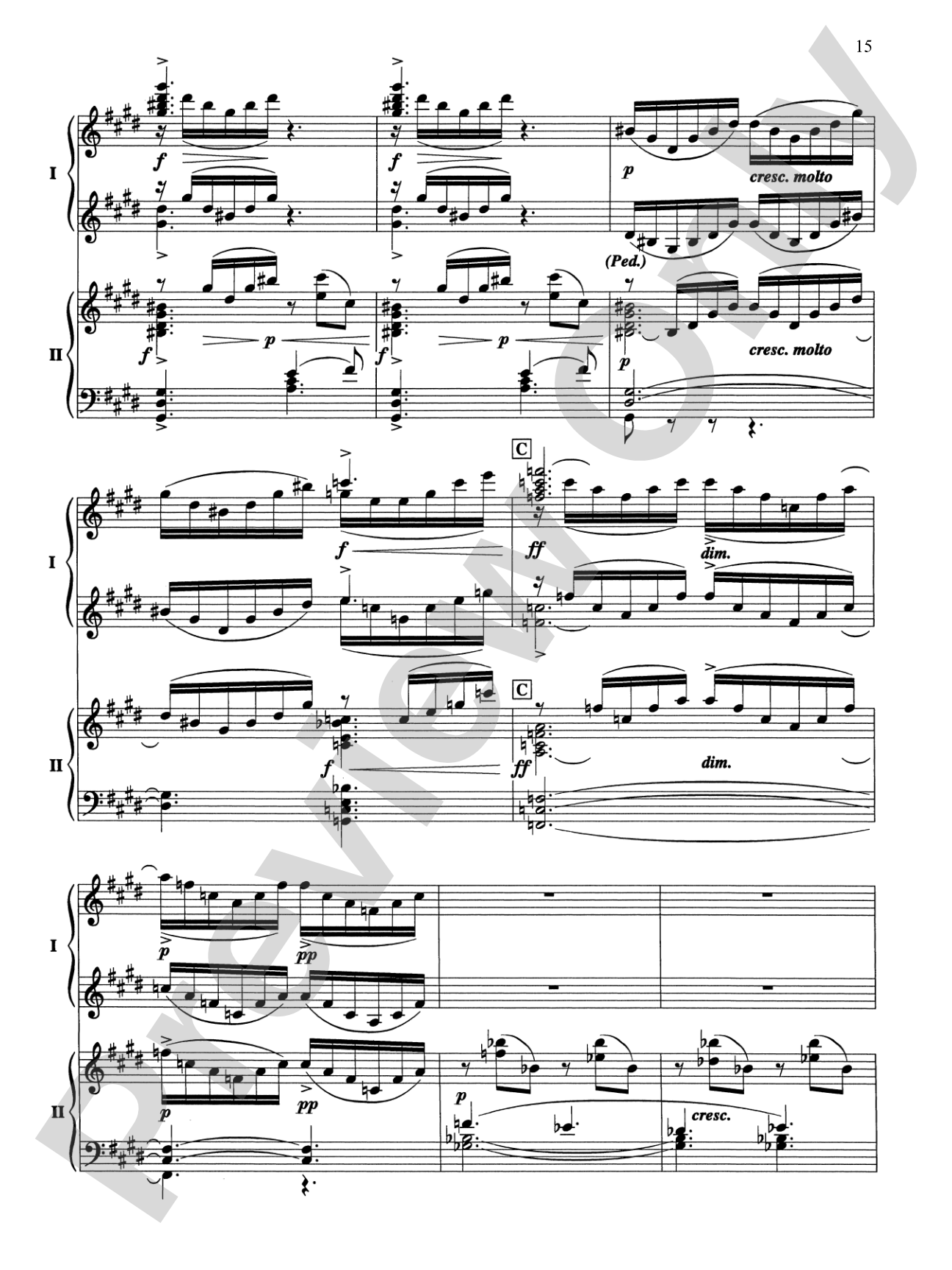
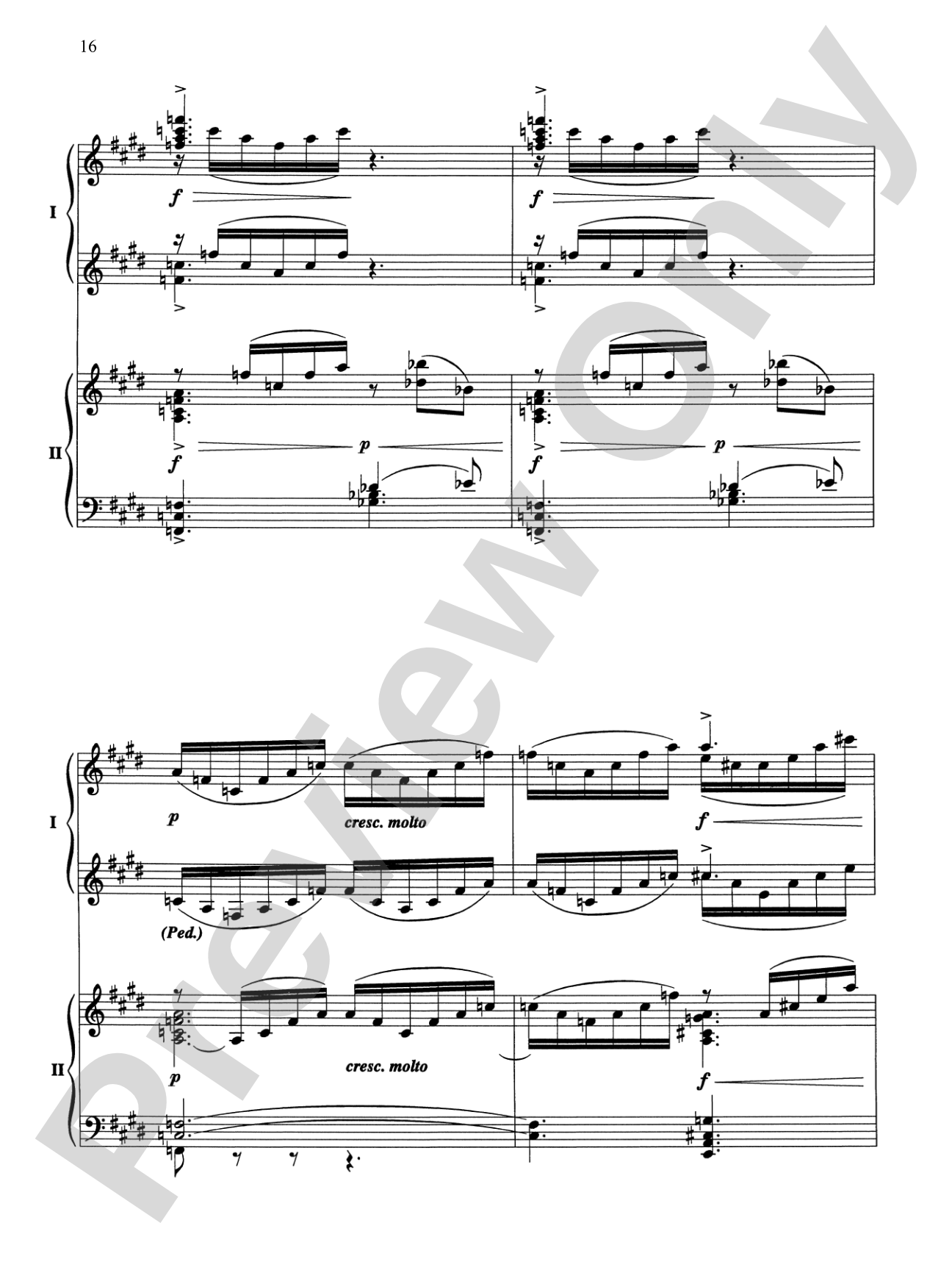

5 Classical Favorites Arranged for Two Pianos, Four Hands: Piano Duets & Four Hands
Canon in D, Eine kleine Nachtmusik, Peer Gynt and More
Arranged by Richard Simm
Level: Intermediate / Late Intermediate
Item: 00-PB-0000647
$19.95
Pickup currently not available
Related Items
5 Classical Favorites Arranged for Two Pianos, Four Hands: Piano Duo (2 Pianos, 4 Hands) Book (2 copies required) |
$19.95
|
View |
Description
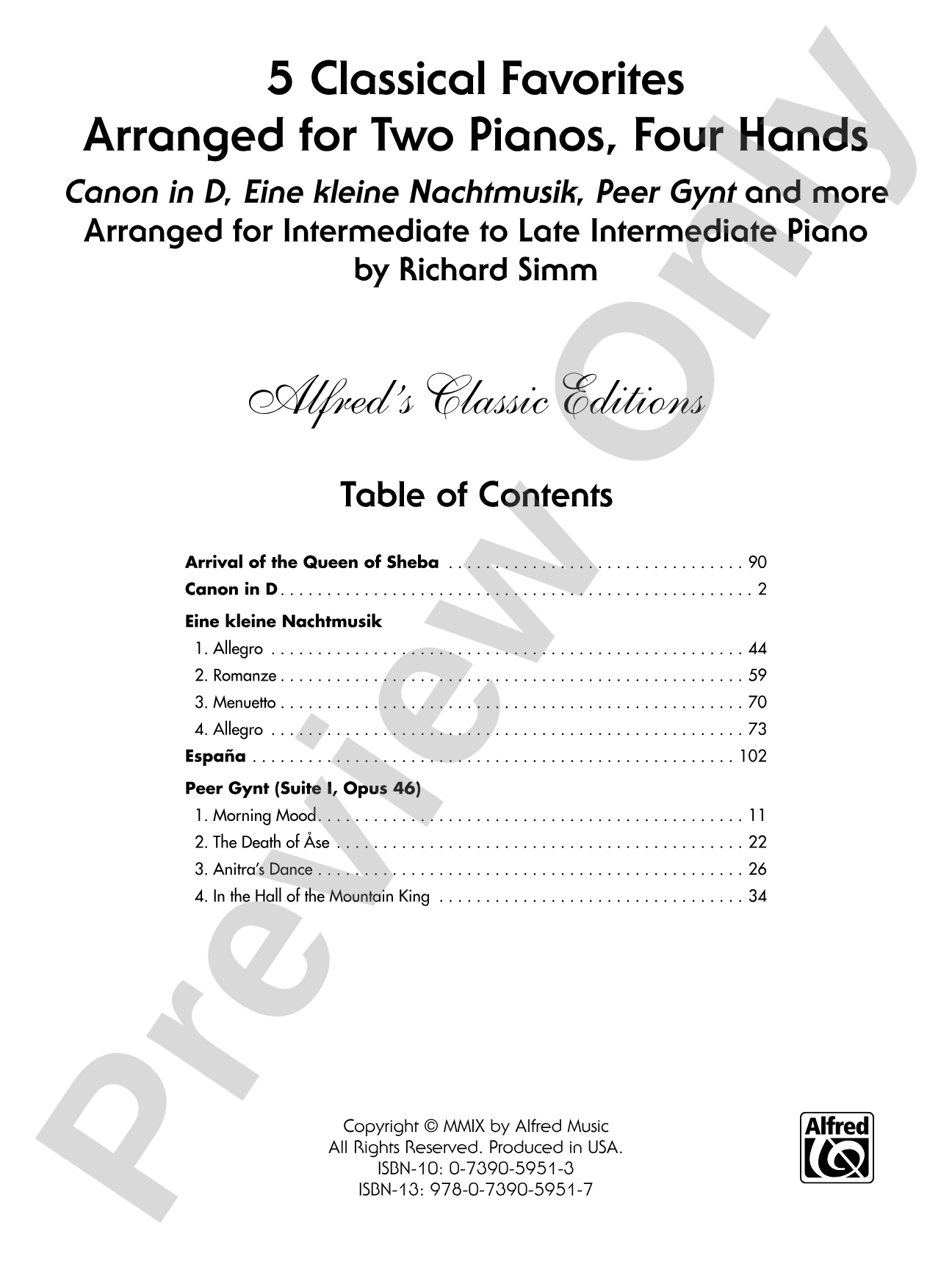
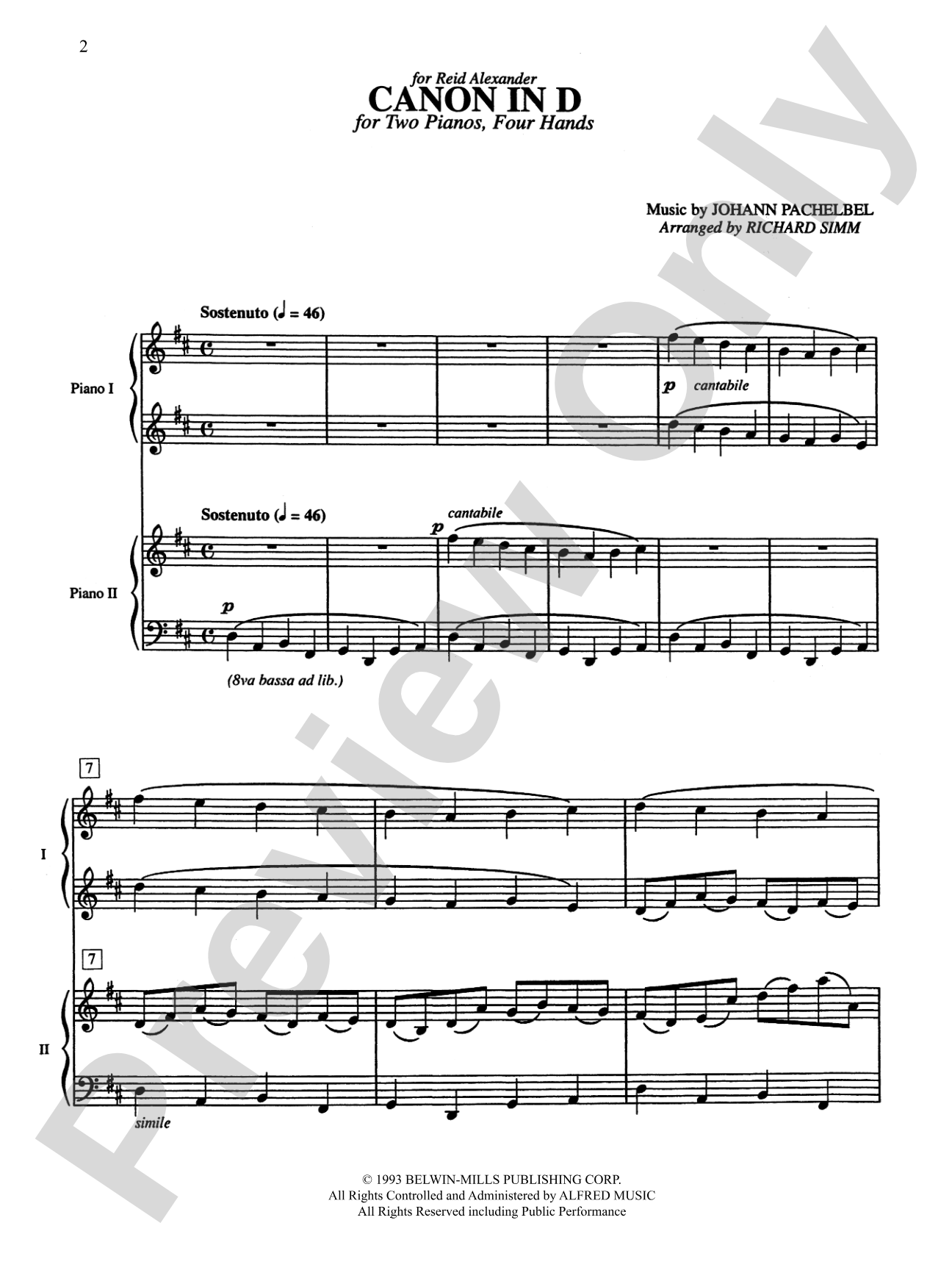
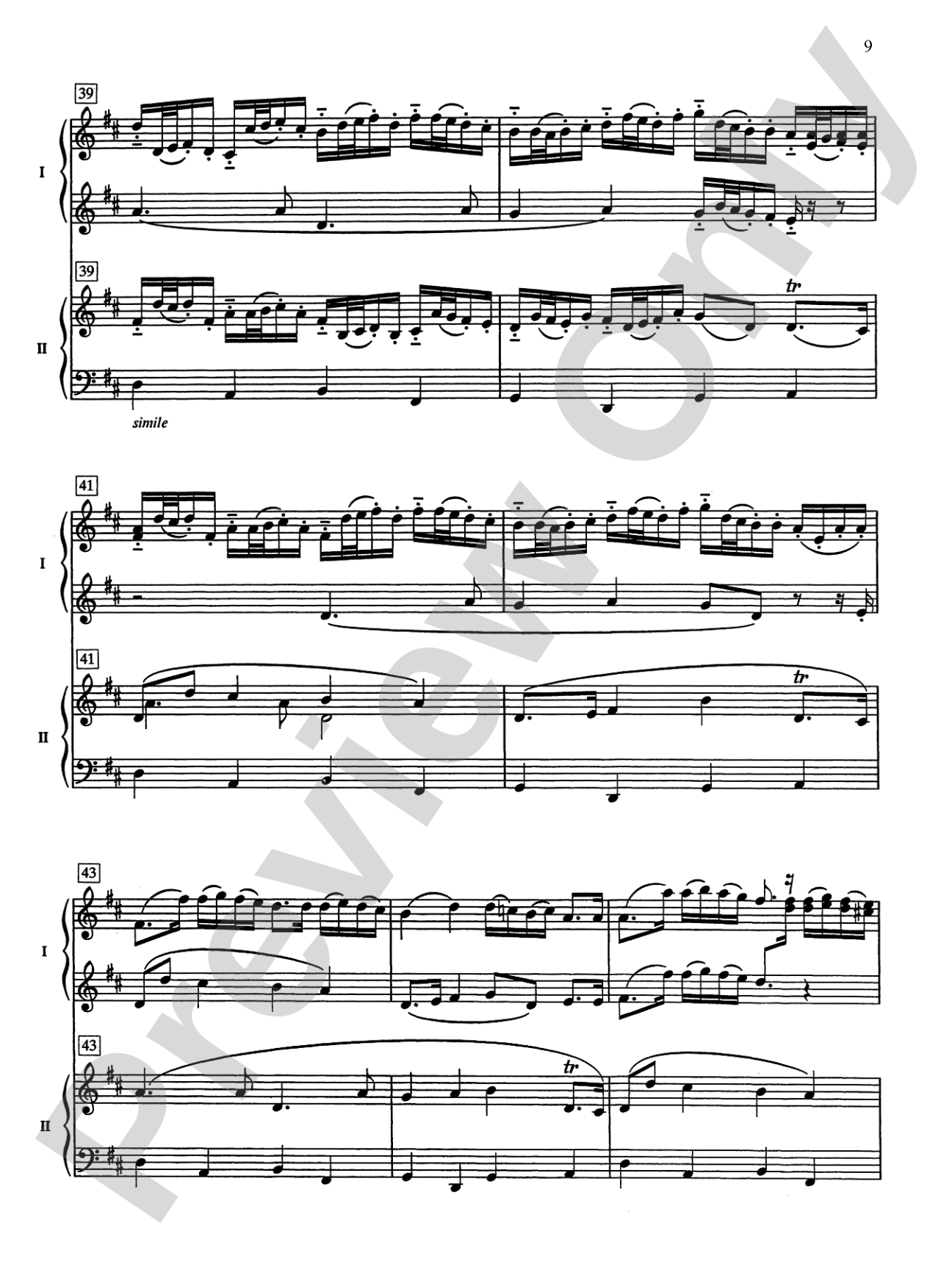
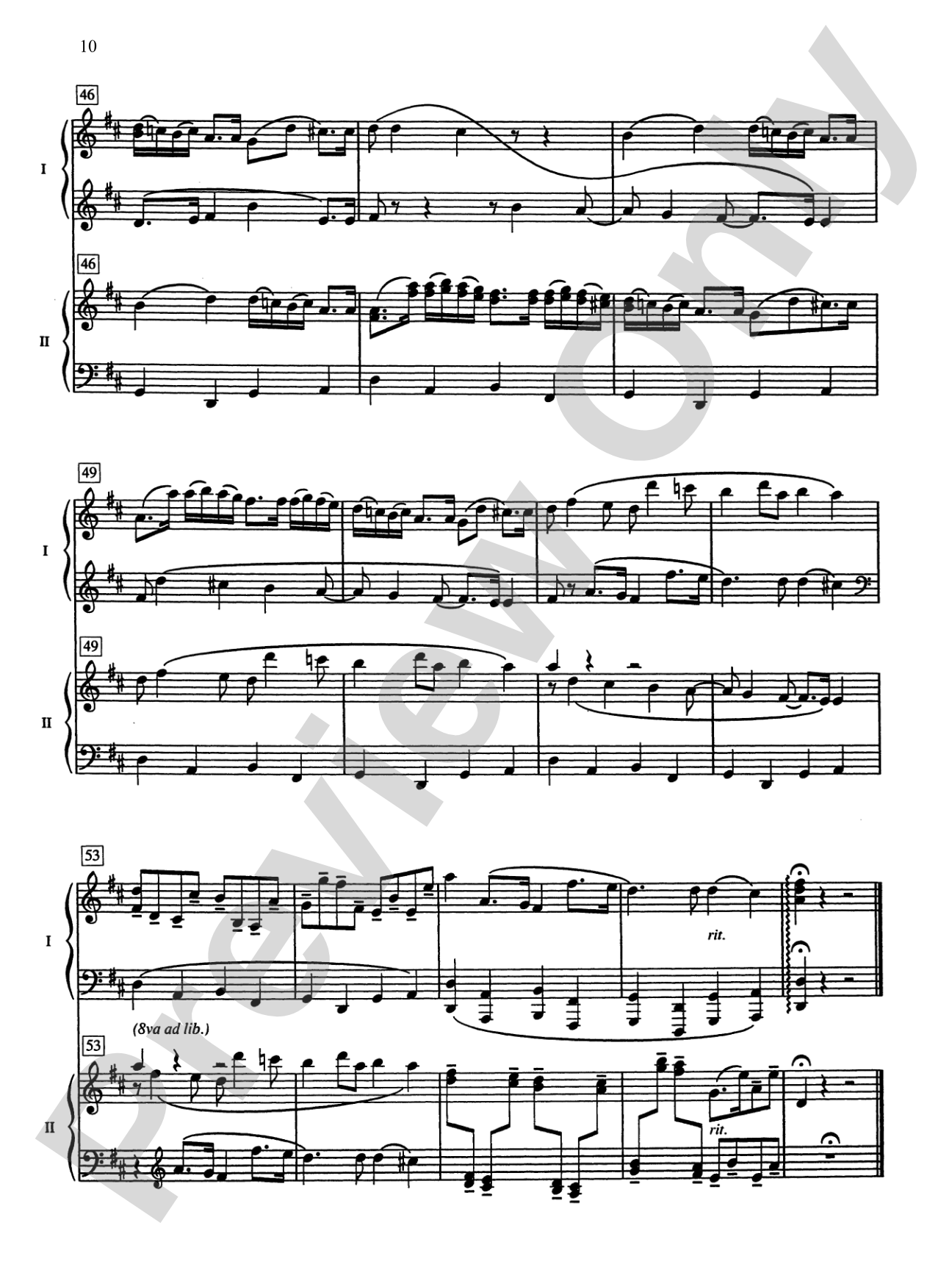
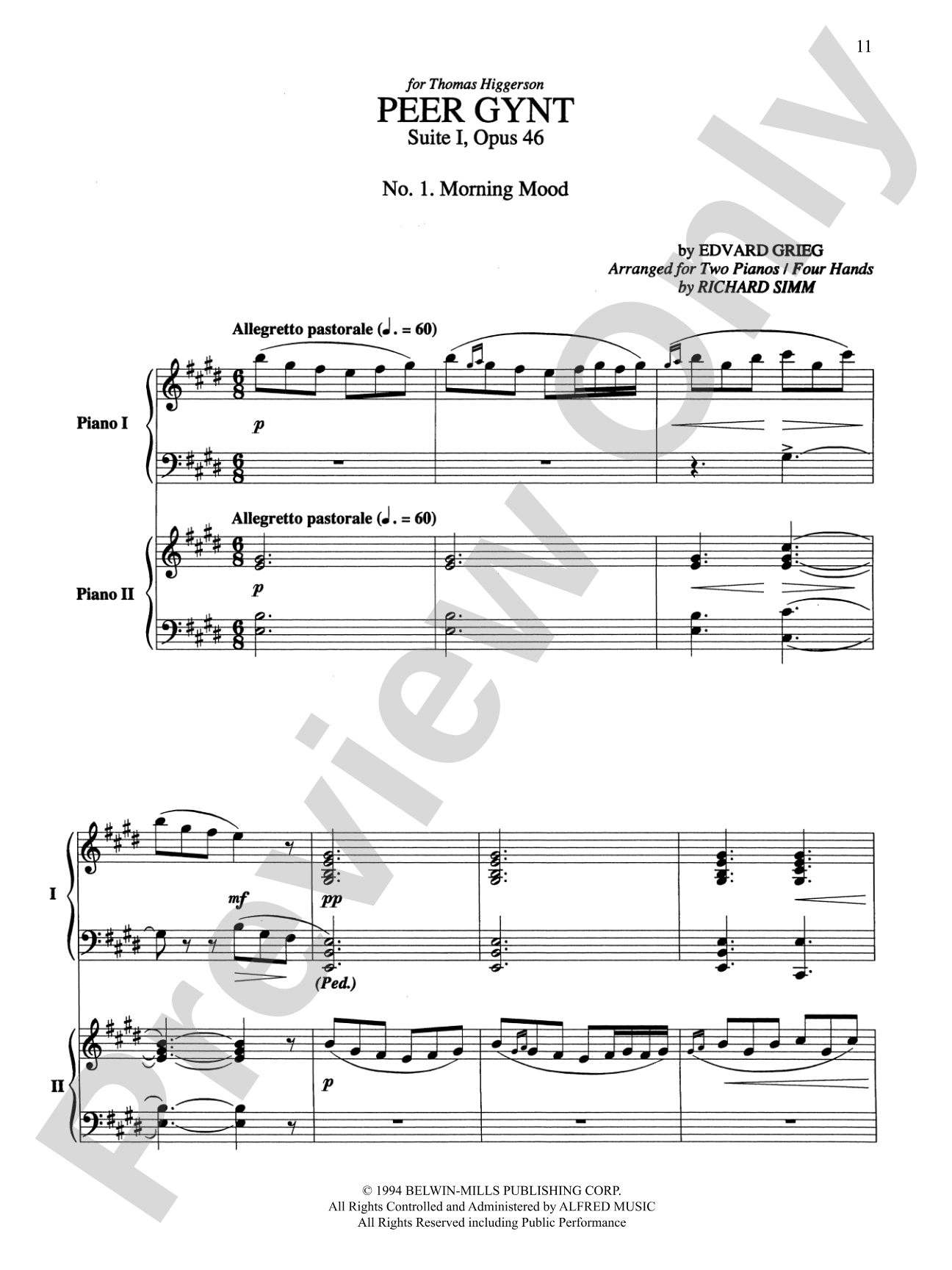
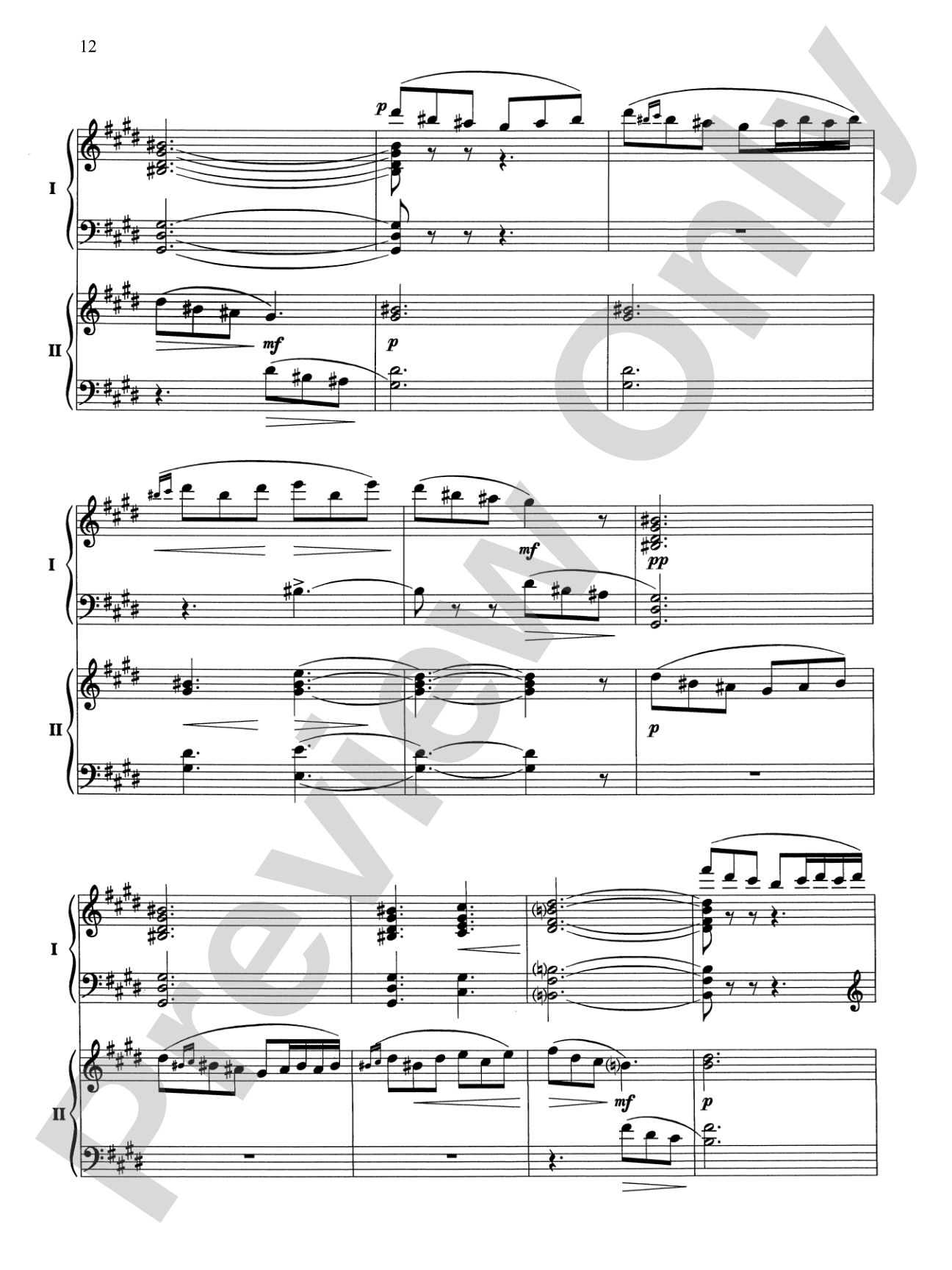
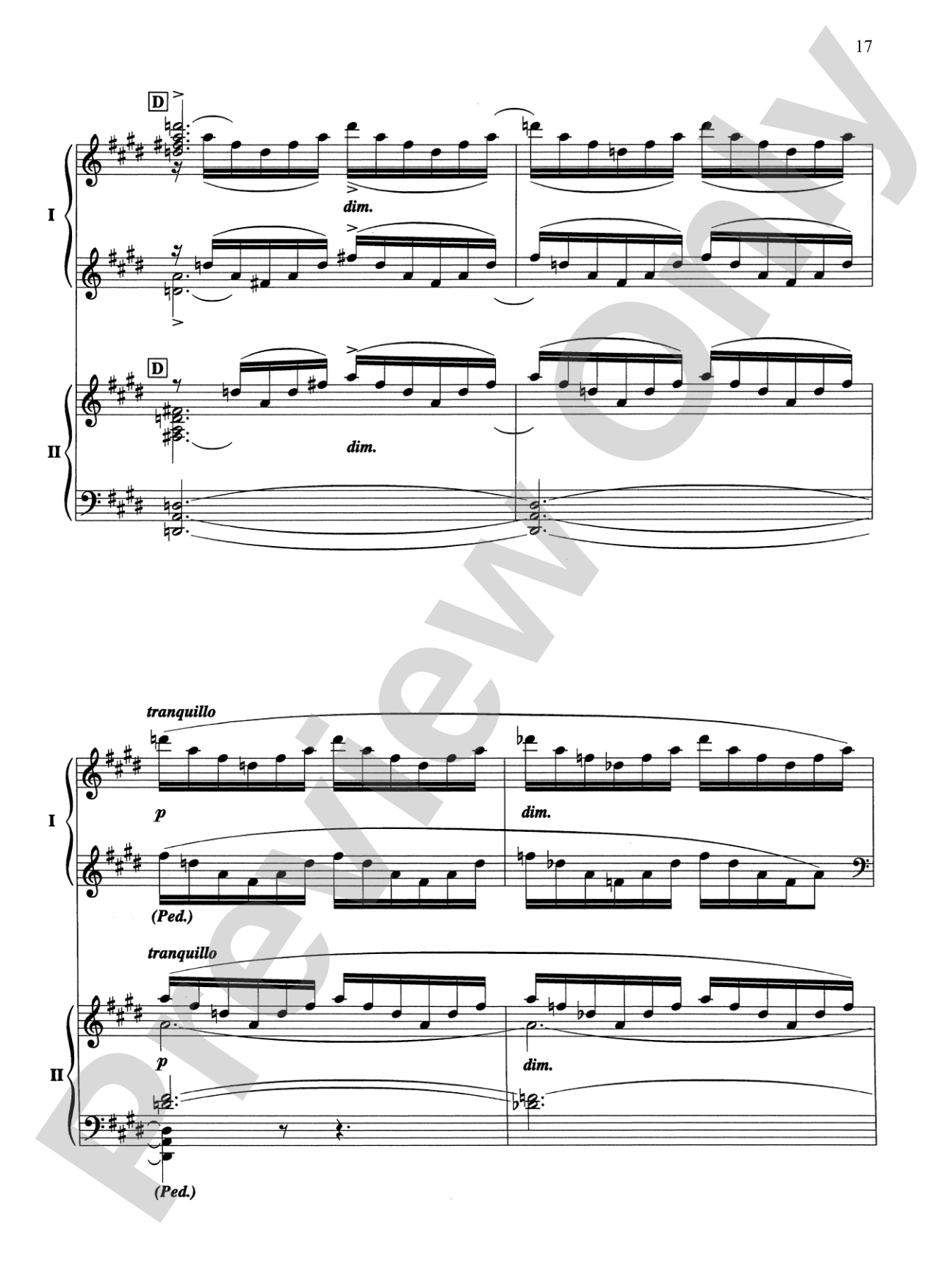
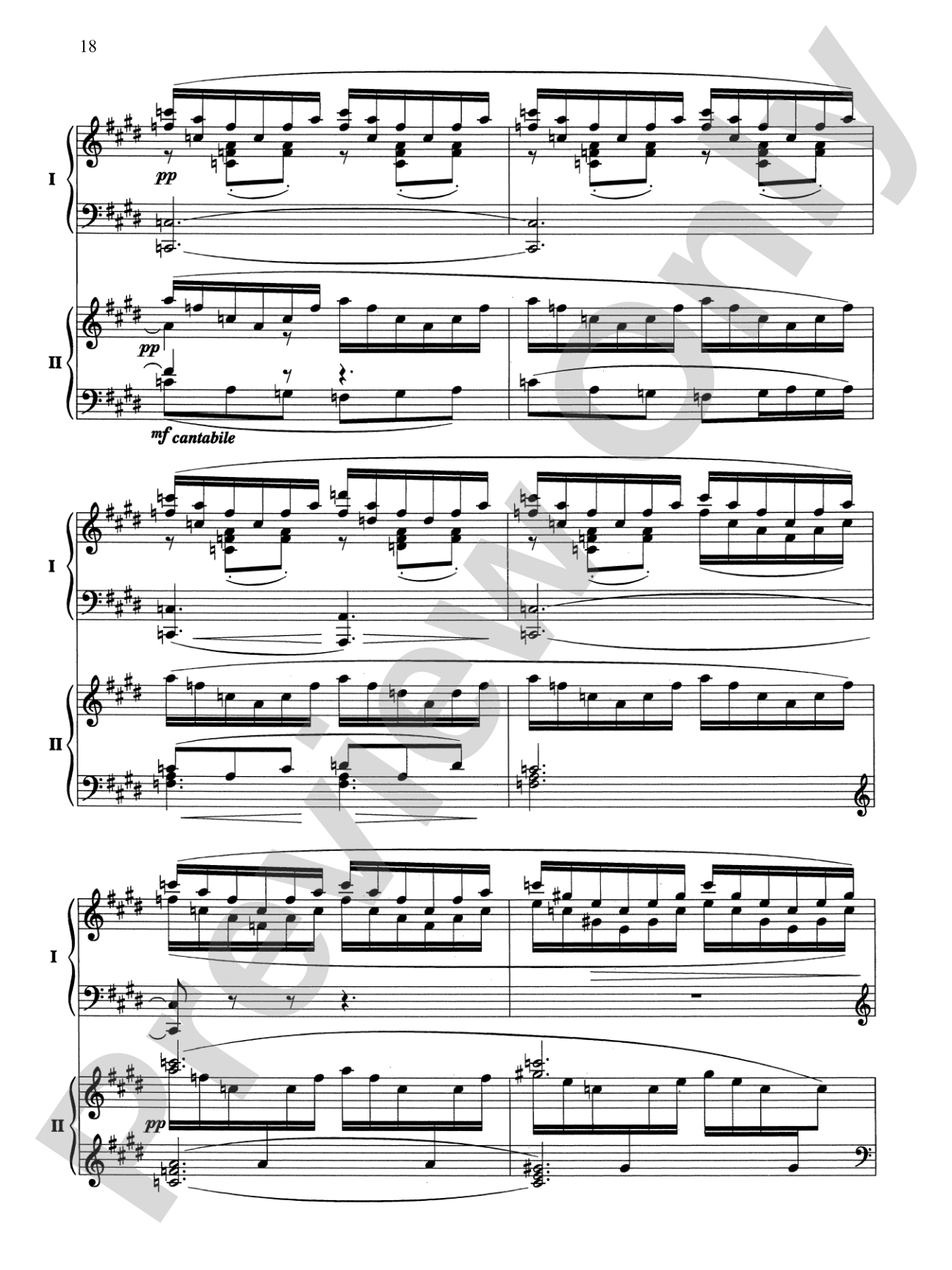
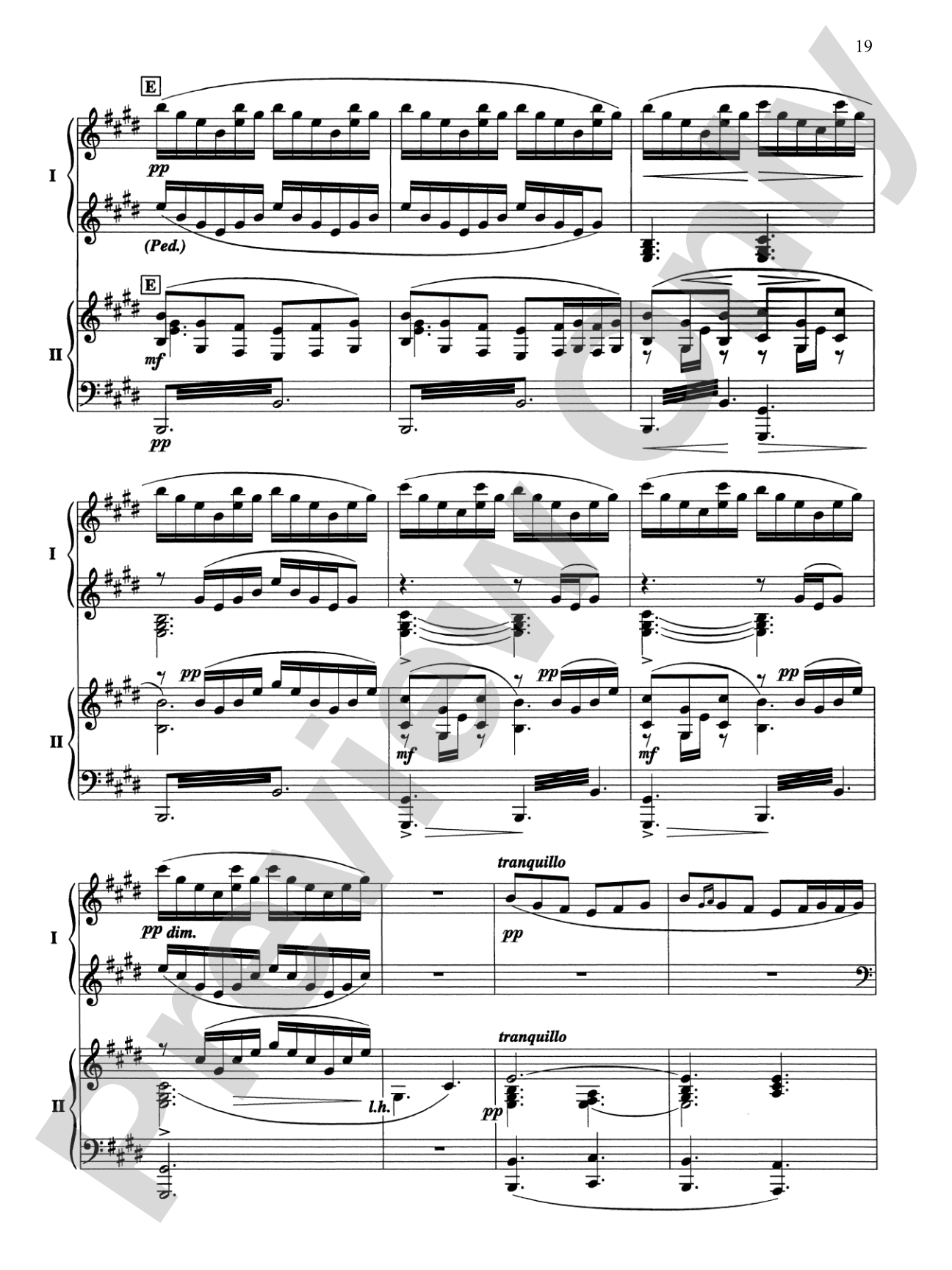
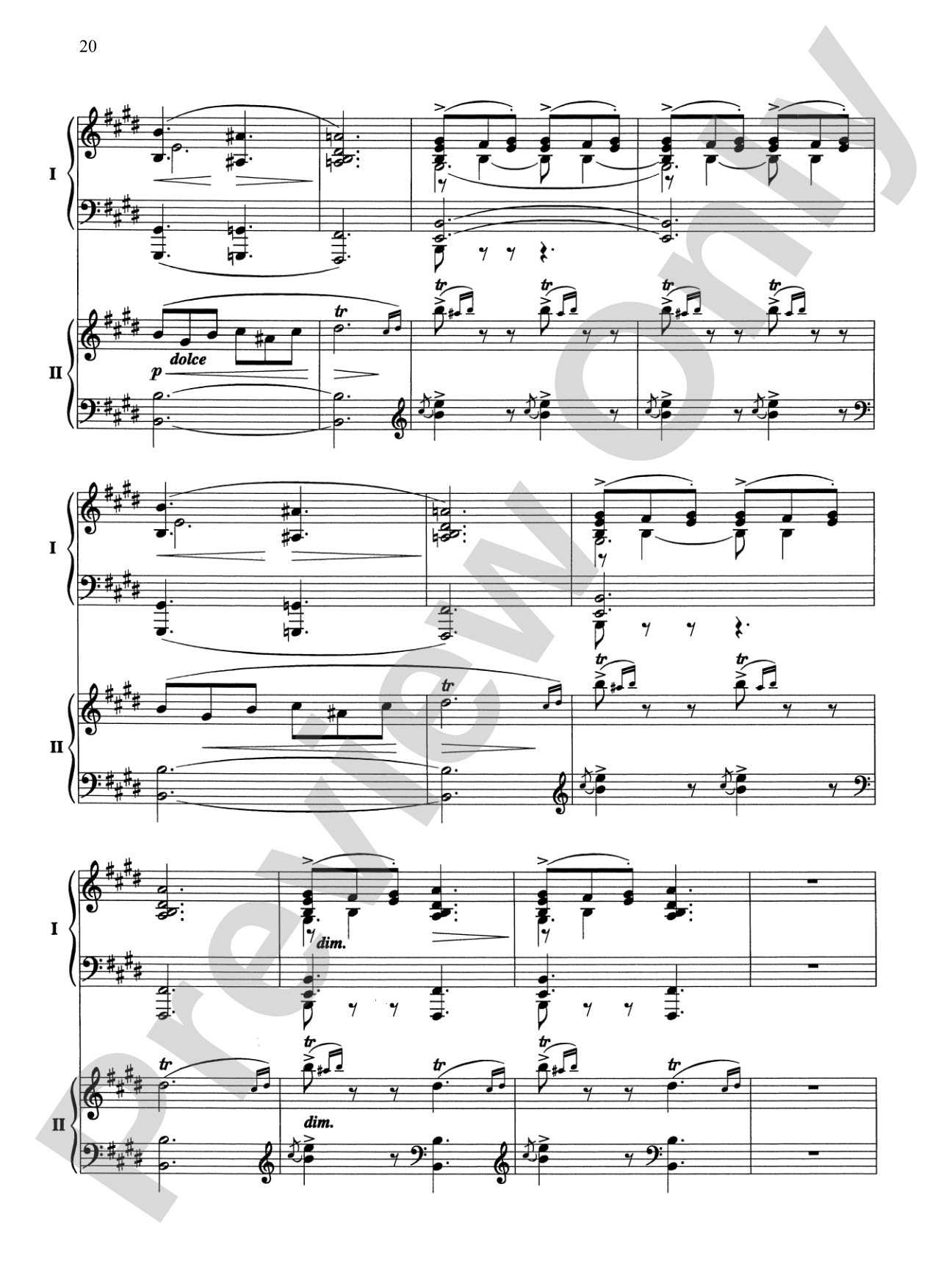
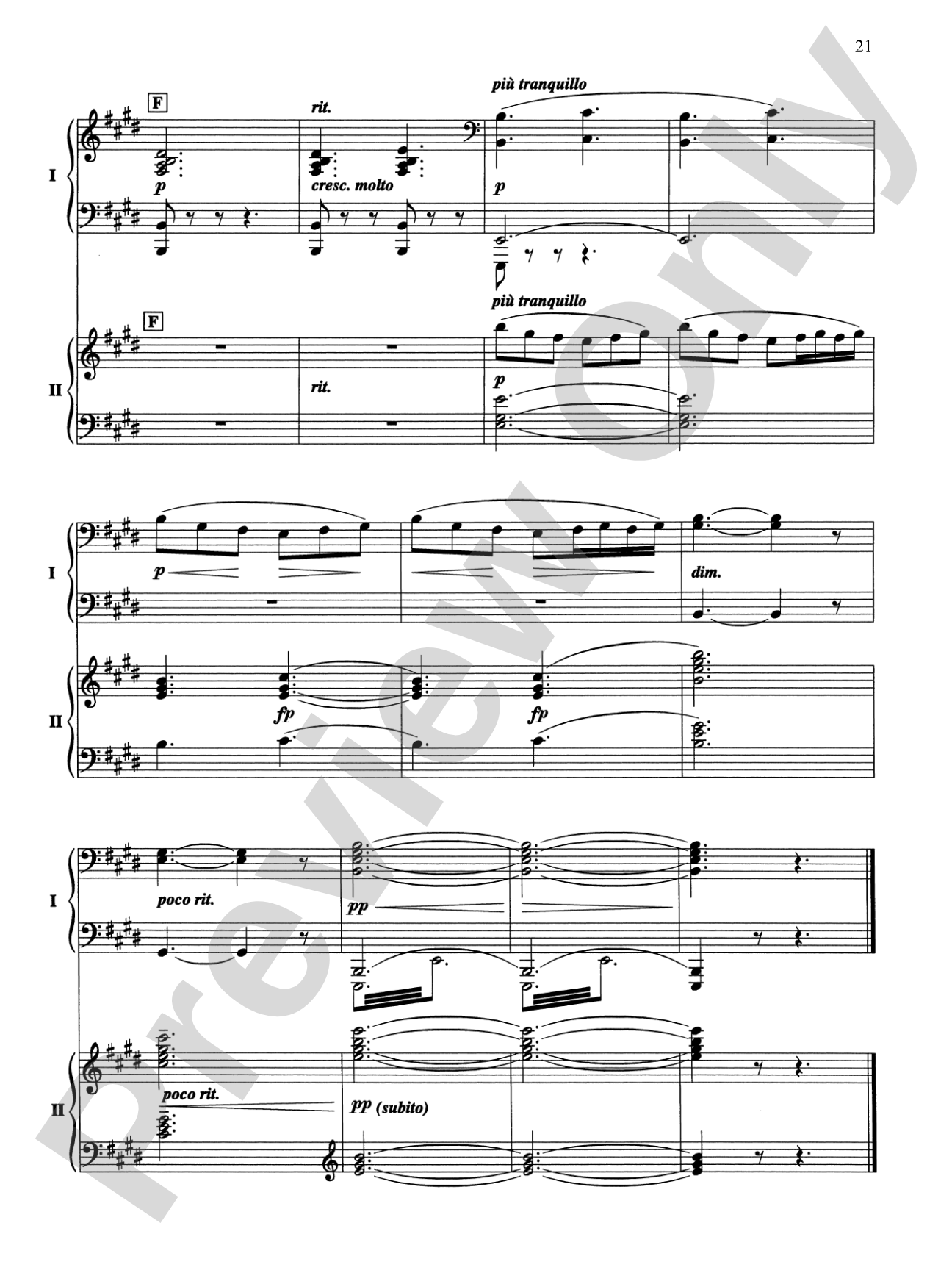
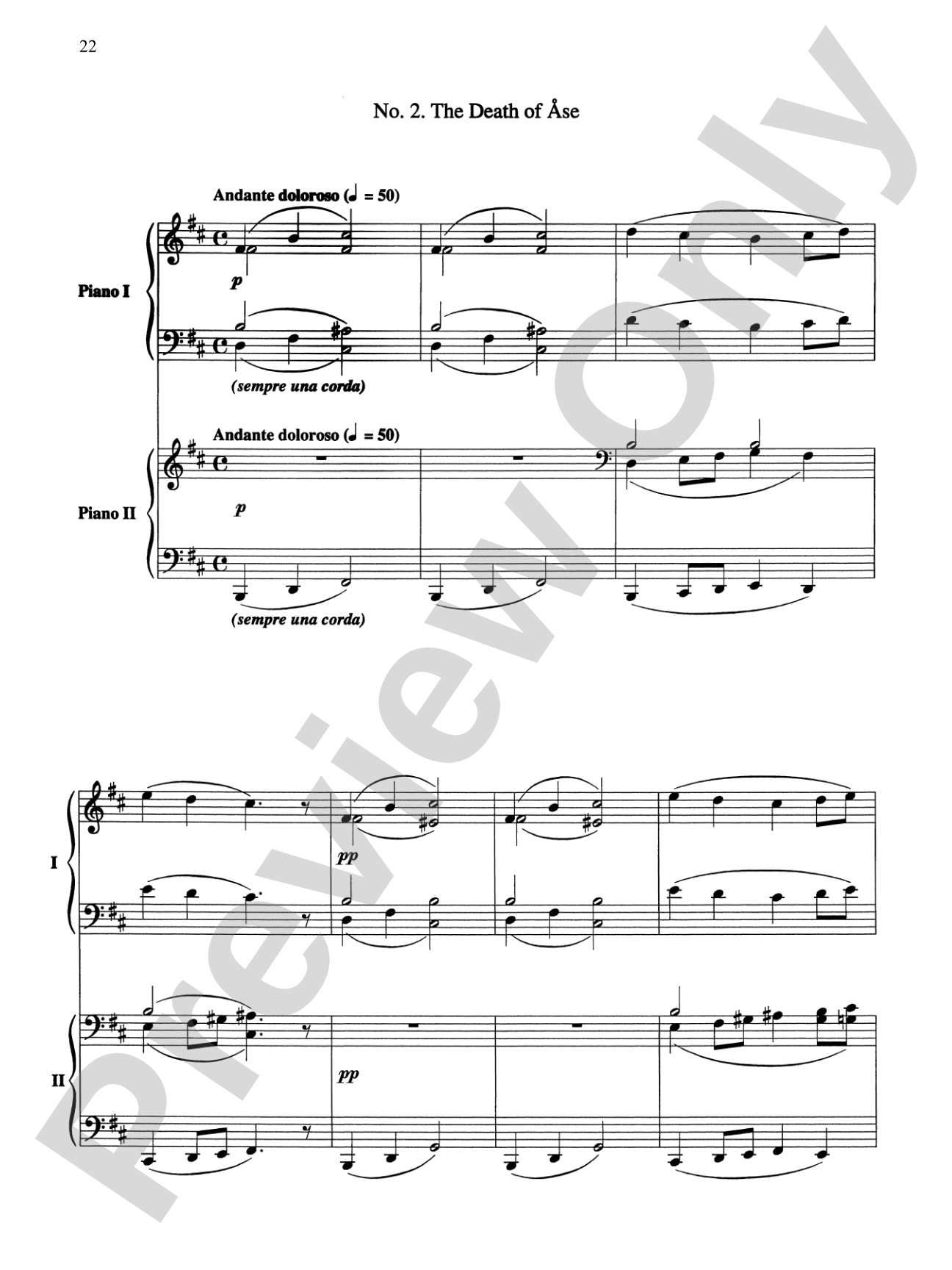
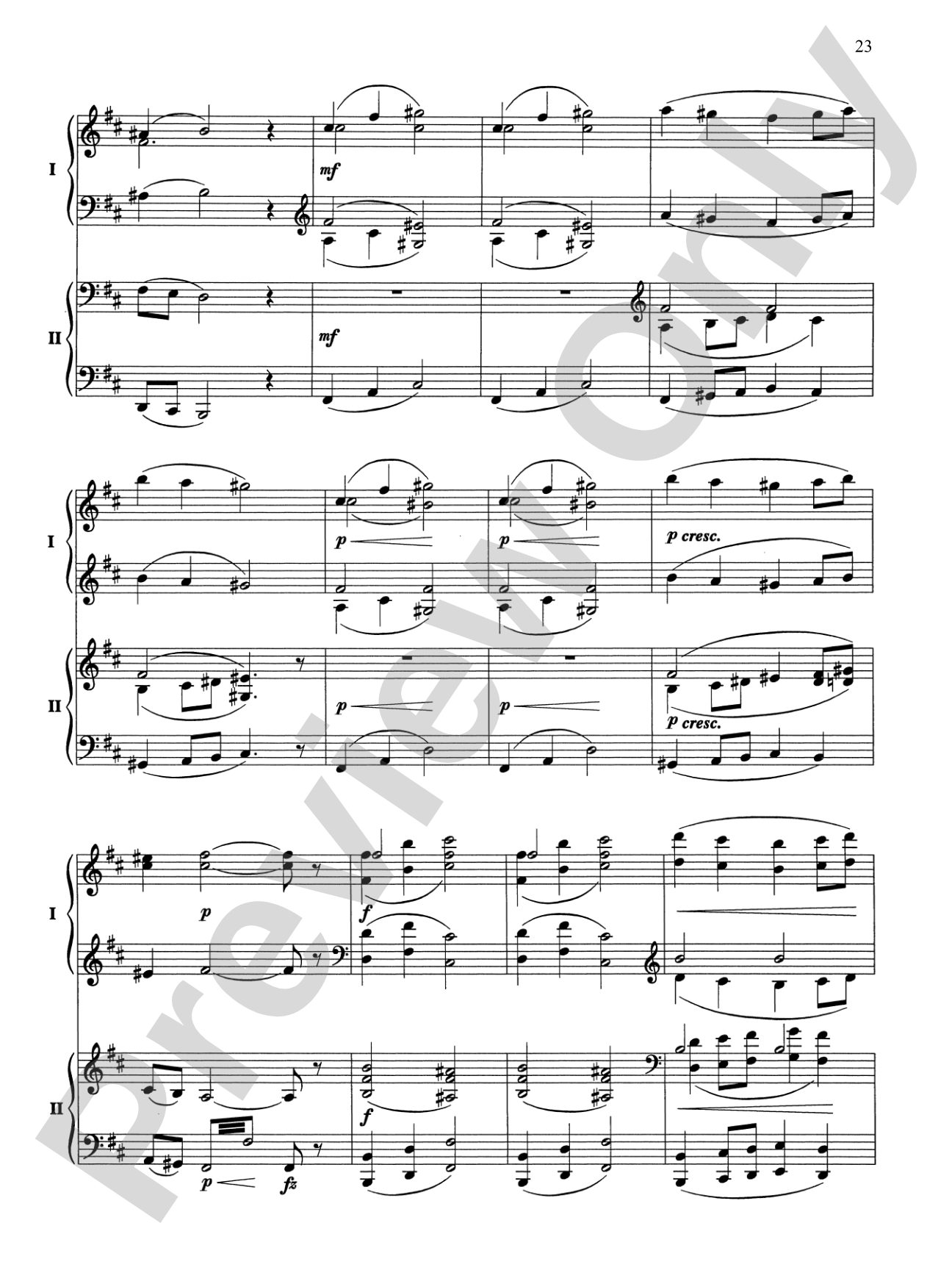
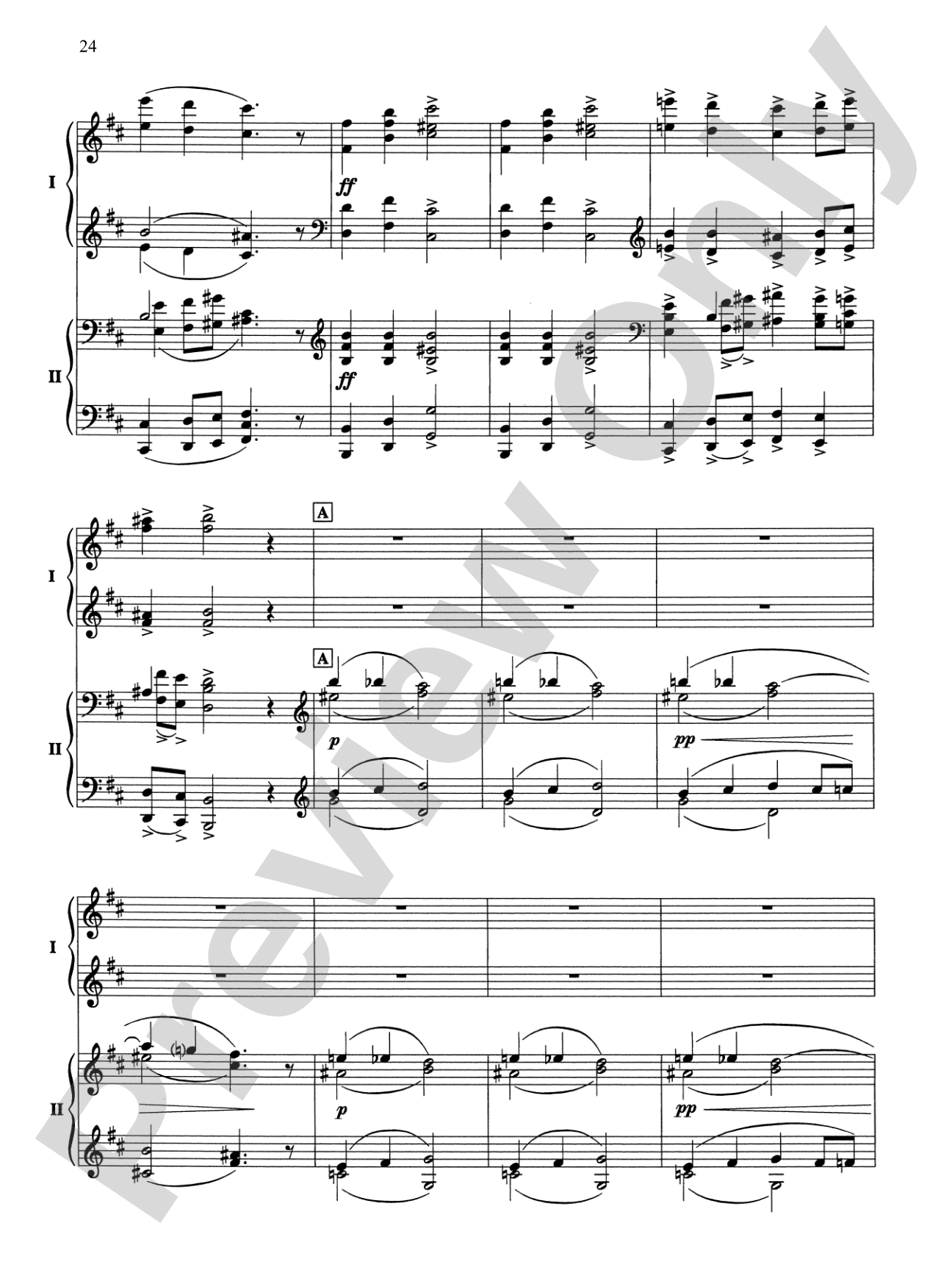
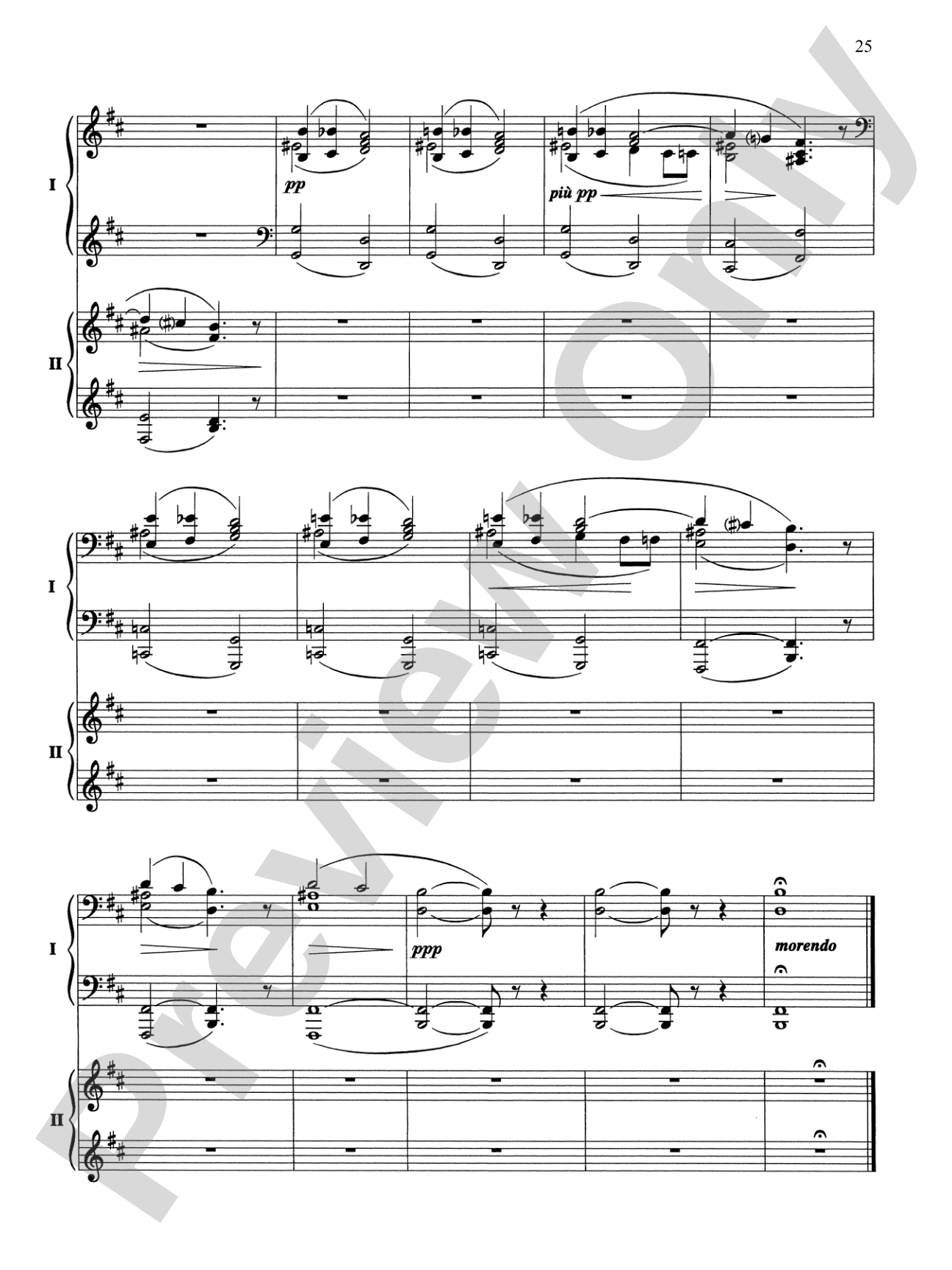
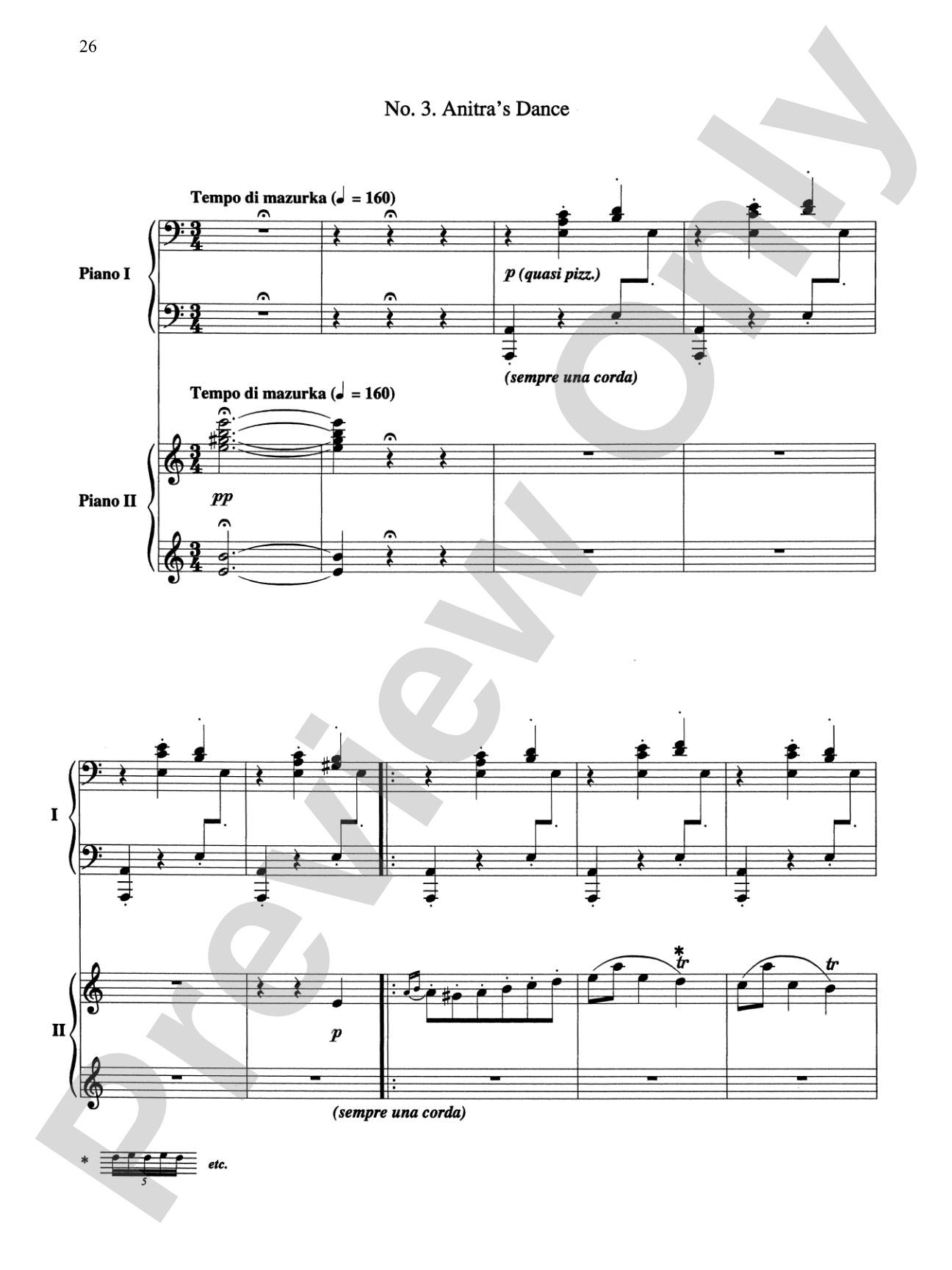
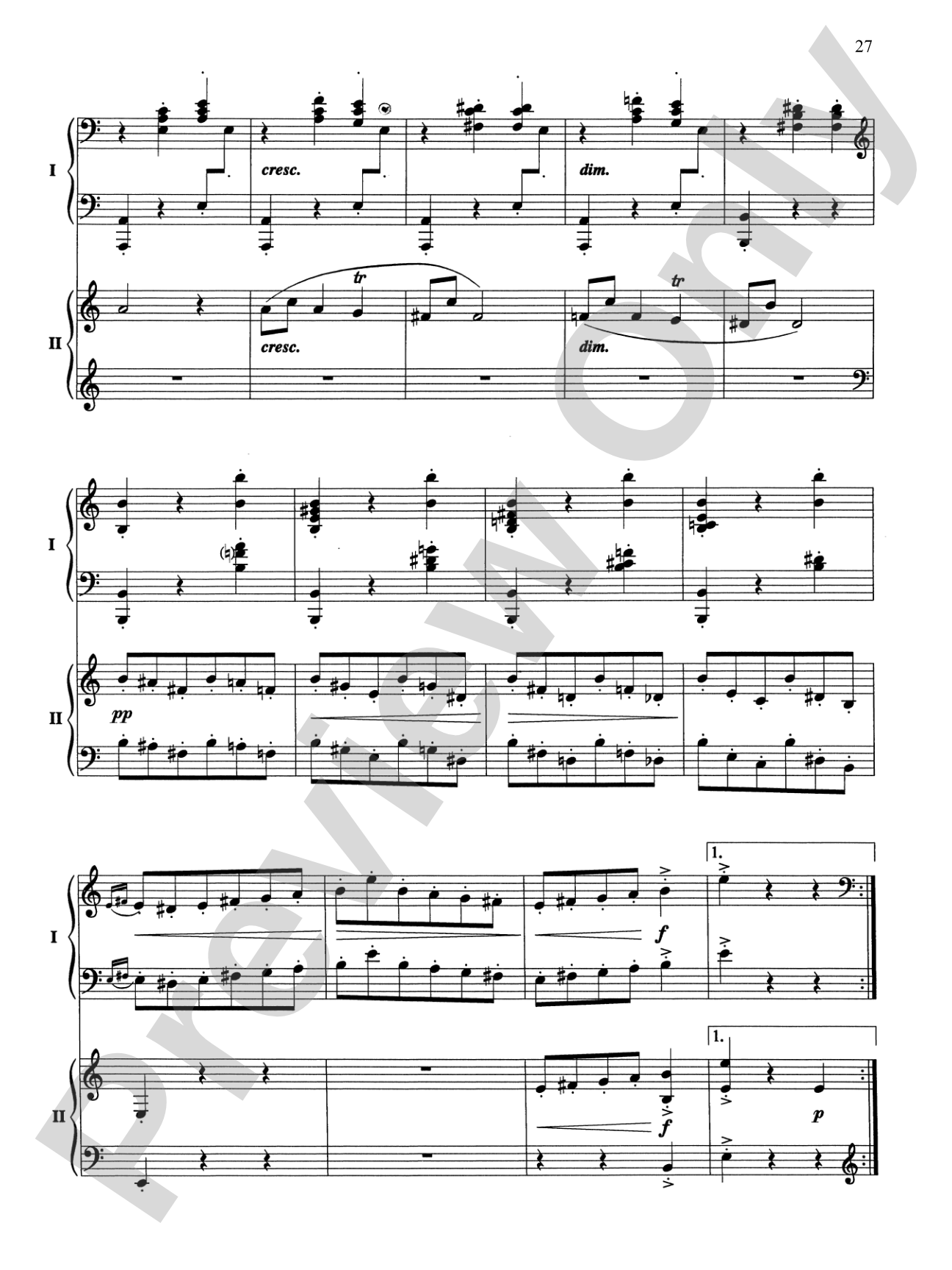
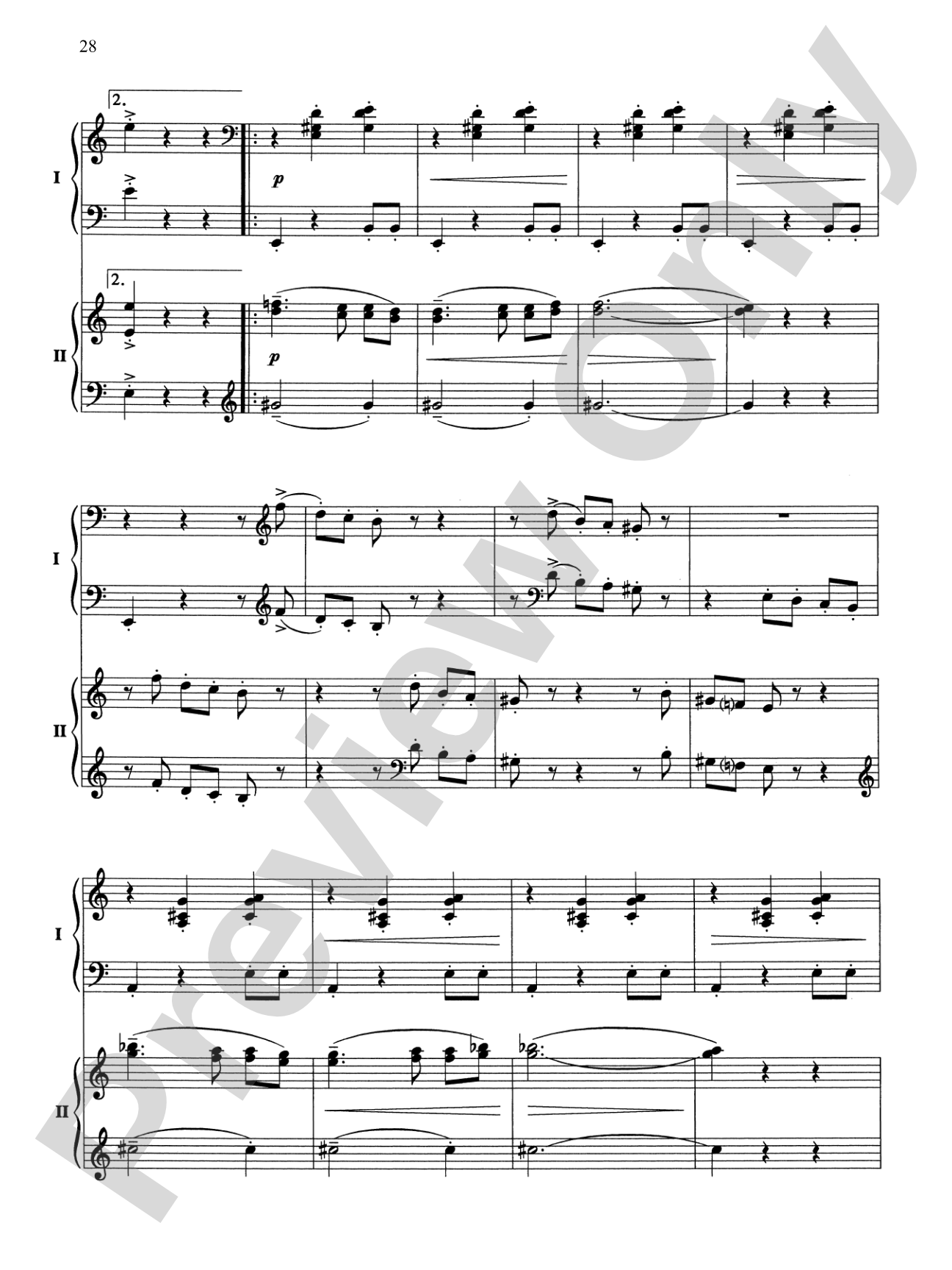
The 5 Classical favorites in this collection have been masterfully arranged for two pianos, four hands. Titles: Arrival of the Queen of Sheba * Canon in D * Eine kleine Nachtmusik * España * Peer Gynt Suite ("Morning Mood," "The Death of Åsa," "Anitra's Dance," "In the Hall of the Mountain King"). 2 copies are required for performance. "Anitra's Dance (Peer Gynt Suite, Op. 46, No. 3)," "Eine kleine Nachtmusik, movements 1, 3, or 4)," "In the Hall of the Mountain King (Peer Gynt Suite, Op. 46, No. 4)," and "Morning Mood (Peer Gynt Suite, Op. 46, No. 1)" are Federation Festivals 2016-2020 selections. A Federation Festivals 2020-2024 selection.


5 Classical Favorites Arranged for Two Pianos, Four Hands: Piano Duets & Four Hands isn't in MakeMusic Cloud just yet...but it could be. Let us know you'd like to see it, and you'll help shape what comes next. In the meantime, start a free trial and dive into thousands of interactive titles your students can play along with today.
Request This Title
Tell us you want it.
Start Your Free Trial
Explore everything that's ready to play right now.
Sample Audio
No sample audio found.
Sample Video
No sample videos found.
Additional Details
Series:
Alfred's Classic Editions
Publisher:
Alfred Music
Page Count:
140
SKU:
00-PB-0000647
More about this title
Why we love this
Simm's arrangements preserve the orchestral sweep of these beloved works while making them accessible to intermediate pianists working together. The collection spans multiple composers and moods, giving you genuine programming flexibility without sacrificing musical substance. The Festival selection history speaks to both pedagogical value and performance readiness.
What to expect
Grand and ceremonial in Handel's opening, flowing and songlike through Mozart and Pachelbel, then boldly dramatic in the Grieg and vibrant with Spanish flair in Albéniz. You move between intimate chamber writing and moments of genuine theatrical weight, all written idiomatically for the keyboard.
Who it's for
Intermediate and late intermediate pianists ready to tackle two-piano literature but still building technical fluency. This collection works equally well for piano students preparing ensemble repertoire or for a mixed-ability partnership where one player handles the primo and the other takes the secondo.
How to get the most out of it
- Balance the two piano parts by sitting at adjacent instruments where you can maintain eye contact and gesture together. These arrangements demand ensemble listening, not independence.
- The Peer Gynt selections benefit from contrasting character work among the four movements; rehearse them as a suite to build narrative arc rather than treating each as standalone.
- Attend closely to any dynamic markings in the accompaniment piano part. These arrangements often distribute the musical weight between both instruments, so "background" material carries the harmonic color.
How to use it
Open a recital with the Handel or pair the entire Peer Gynt suite as its own concert segment. The stylistic variety also makes this ideal for a "Around the World" themed concert where España provides geographical color alongside the Scandinavian drama. Consider programming individual movements as interlude pieces between larger ensemble numbers.
Skills your students will build
- Balancing two independent melodic lines while maintaining ensemble cohesion
- Reading and executing a secondary accompaniment part with rhythmic precision
- Managing tempo consistency and phrasing as a duo without a conductor
- Negotiating shared pedal and sustain across two instruments
- Interpreting stylistic differences among Baroque, Classical, Romantic, and contemporary-arranged works