
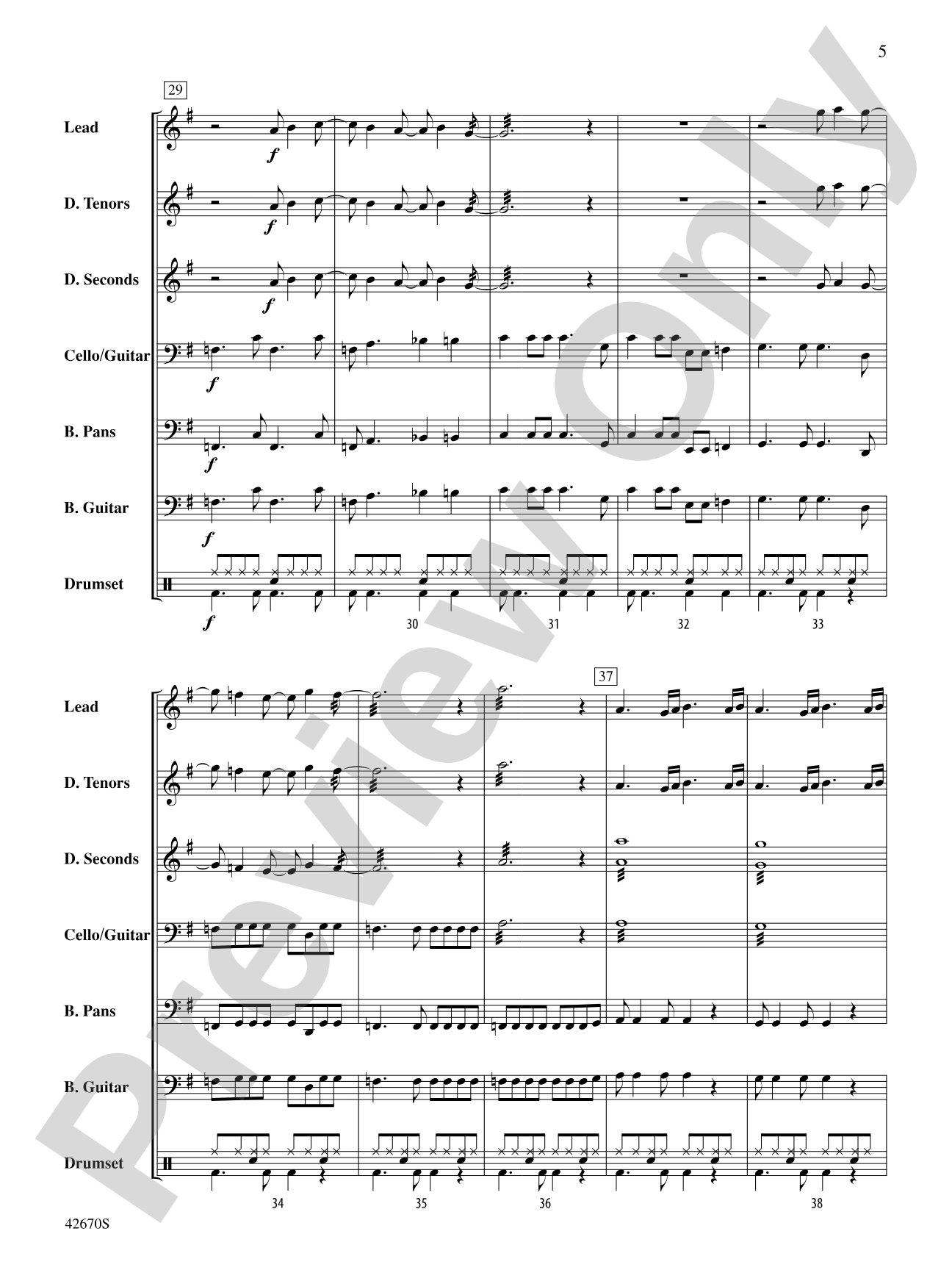
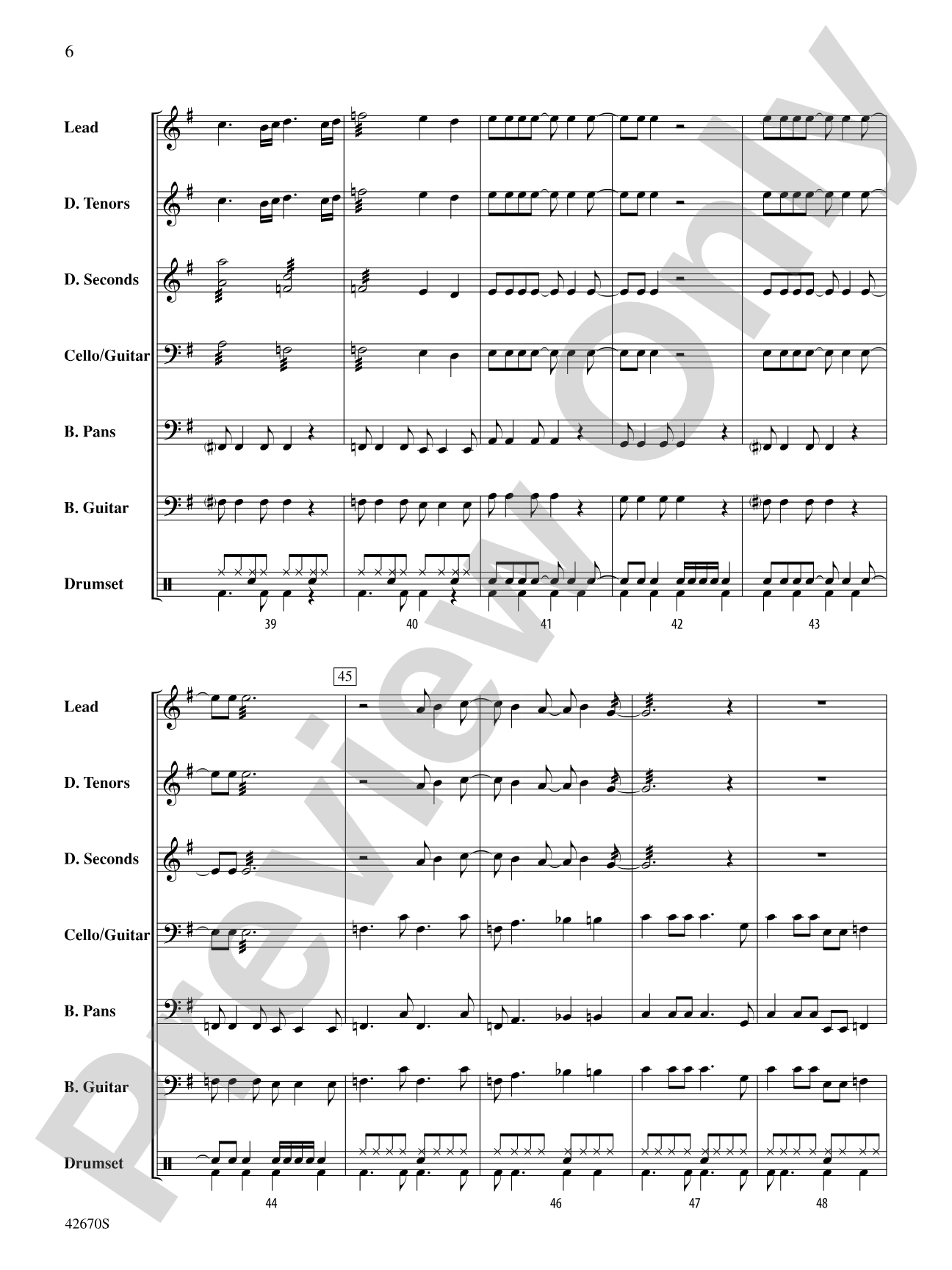
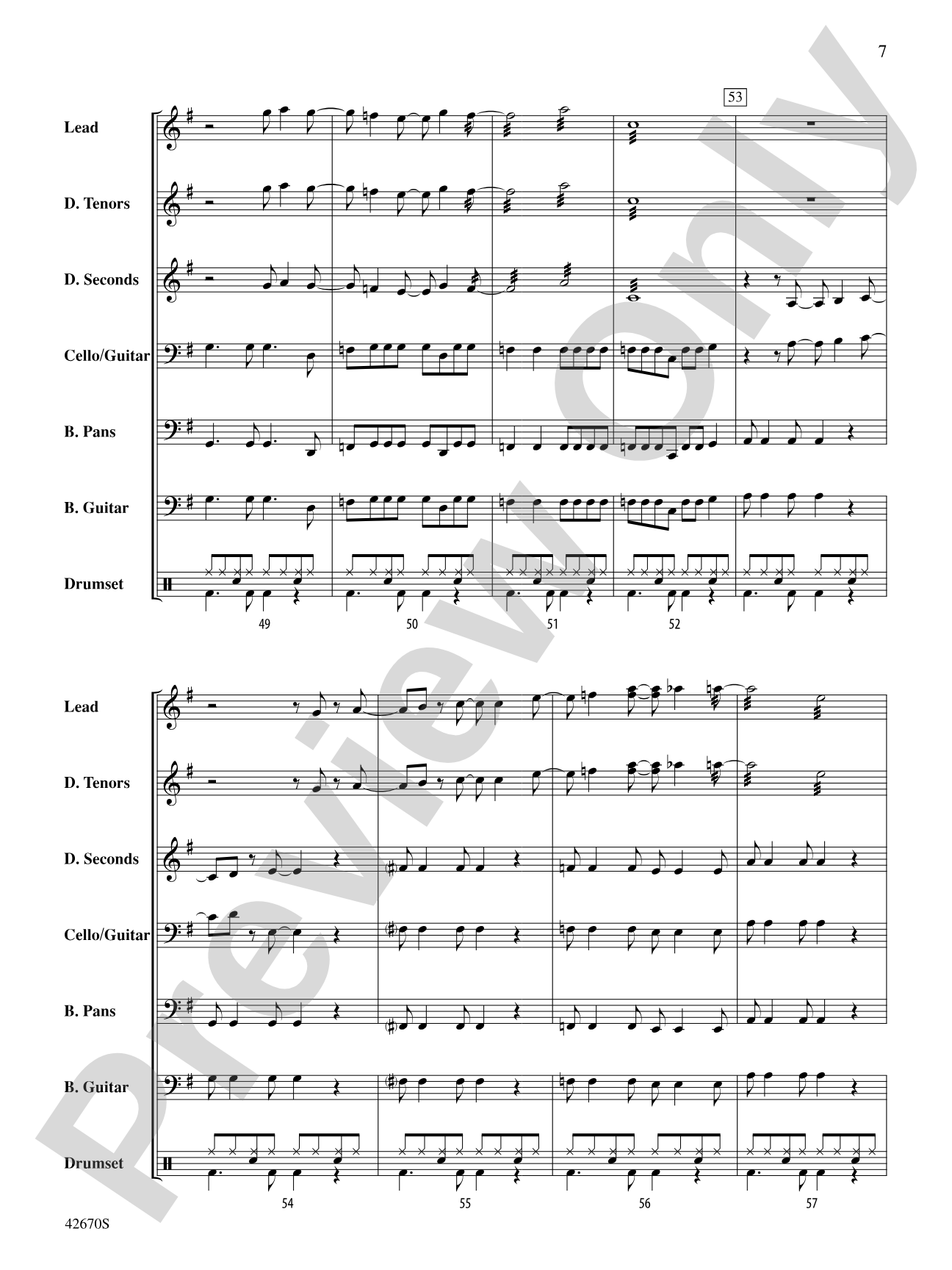
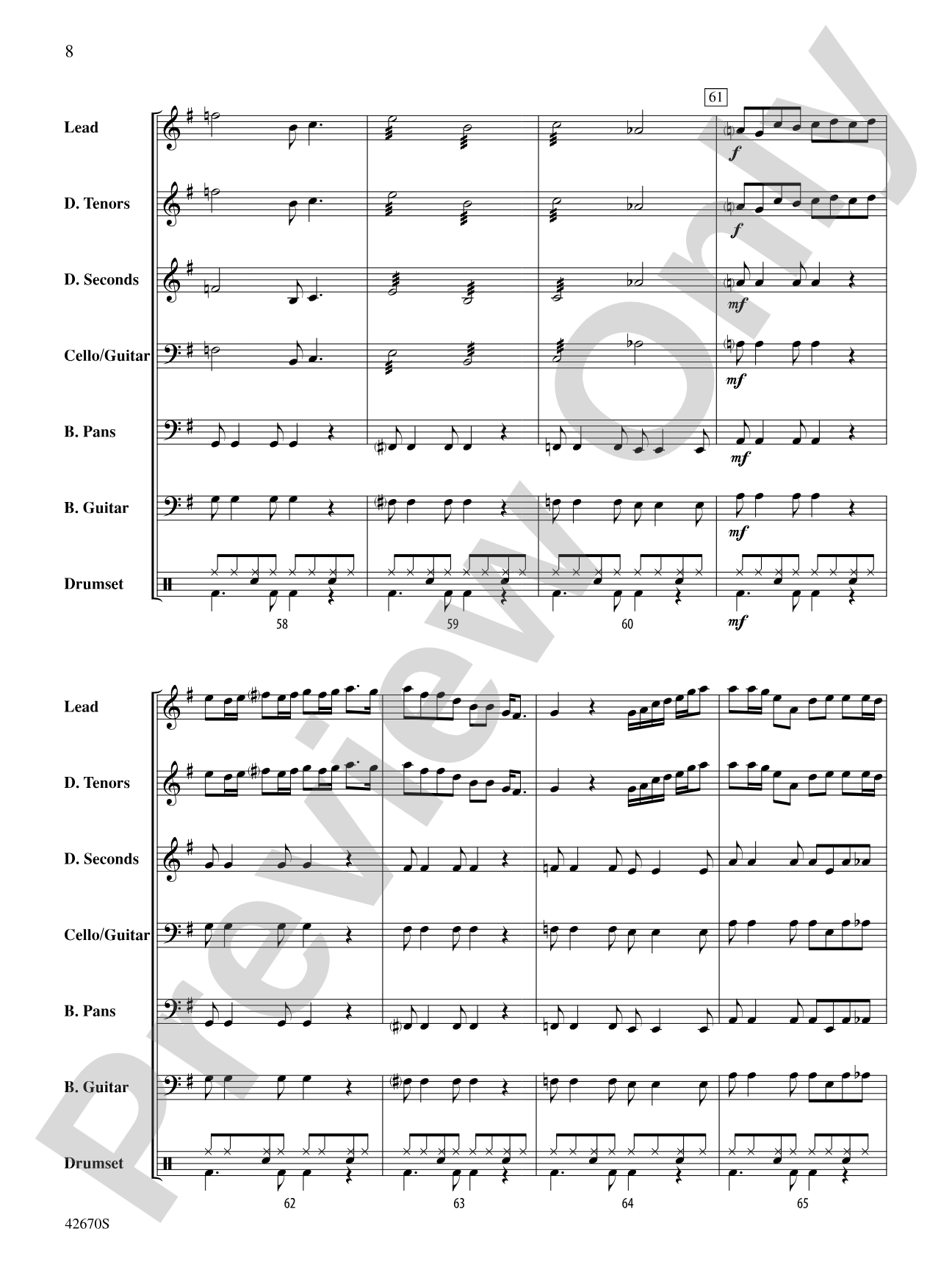
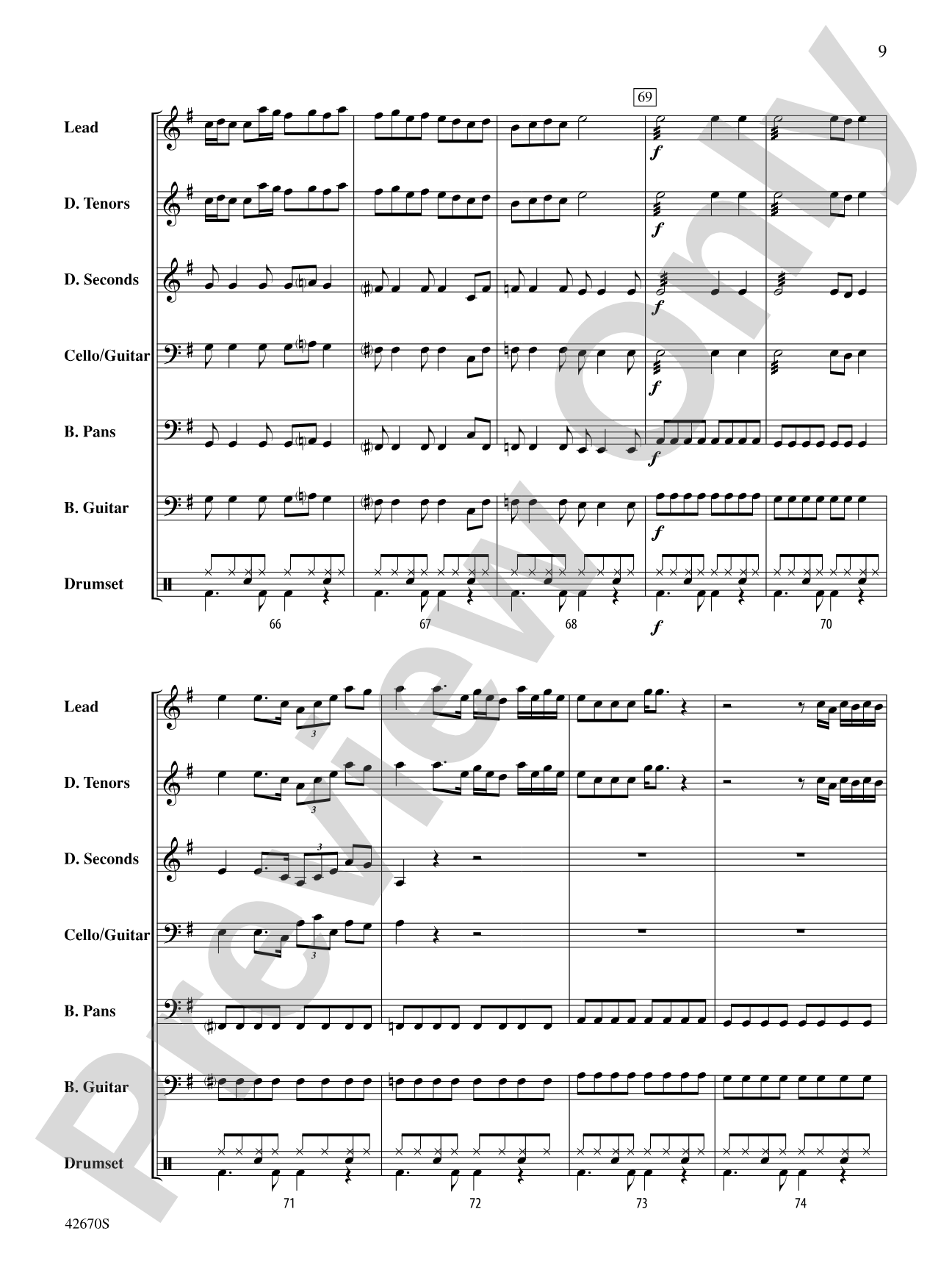
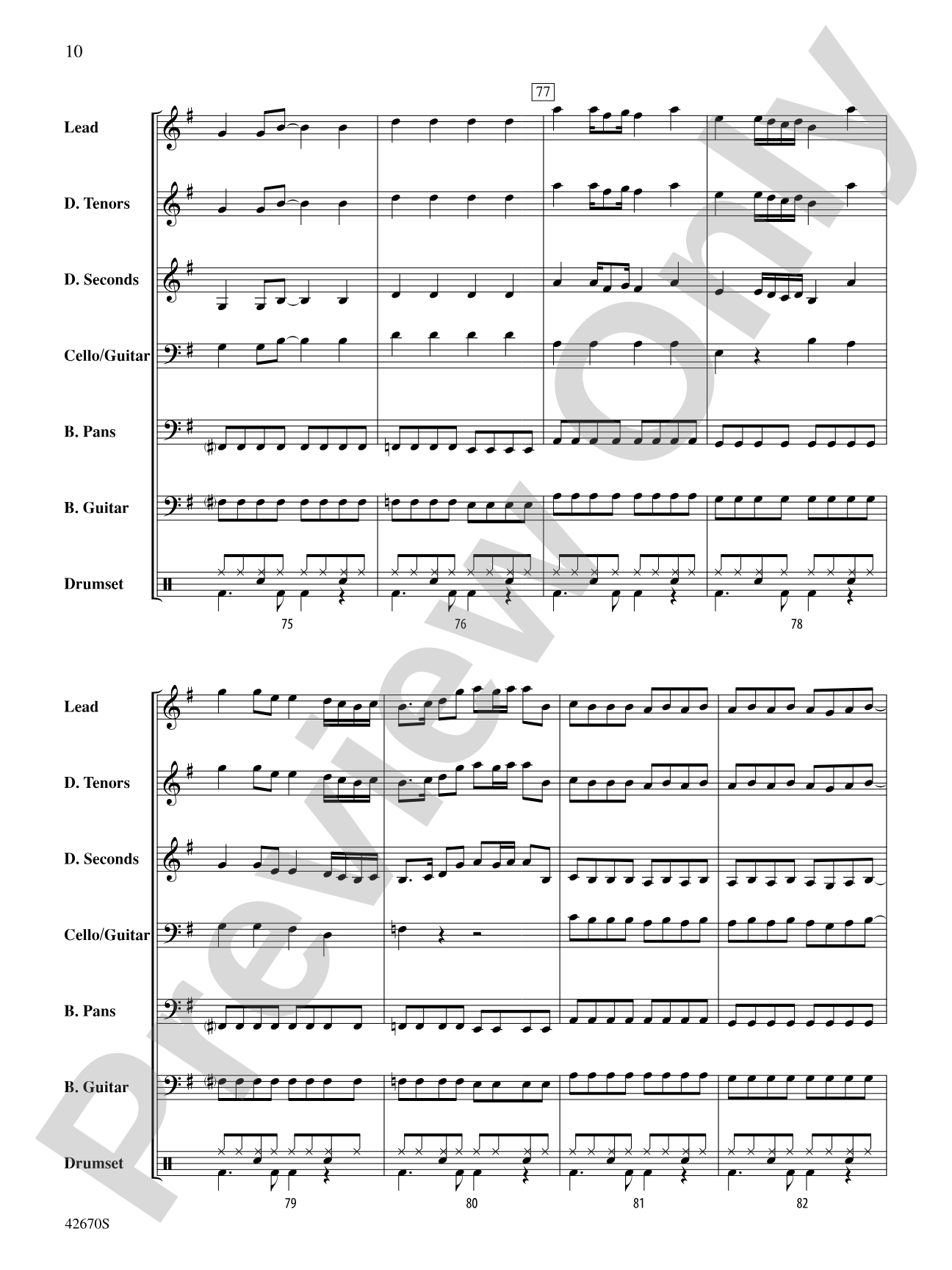
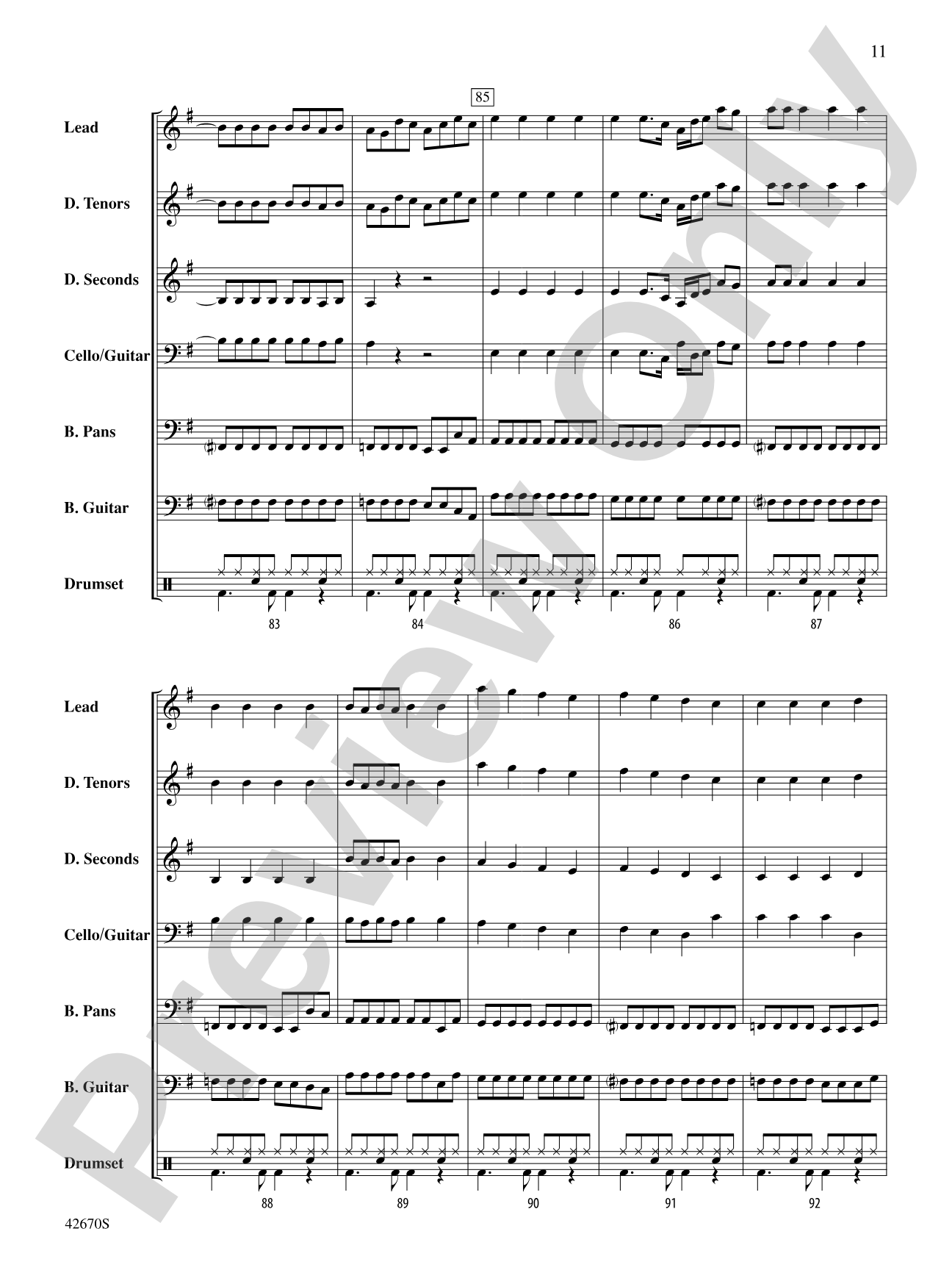
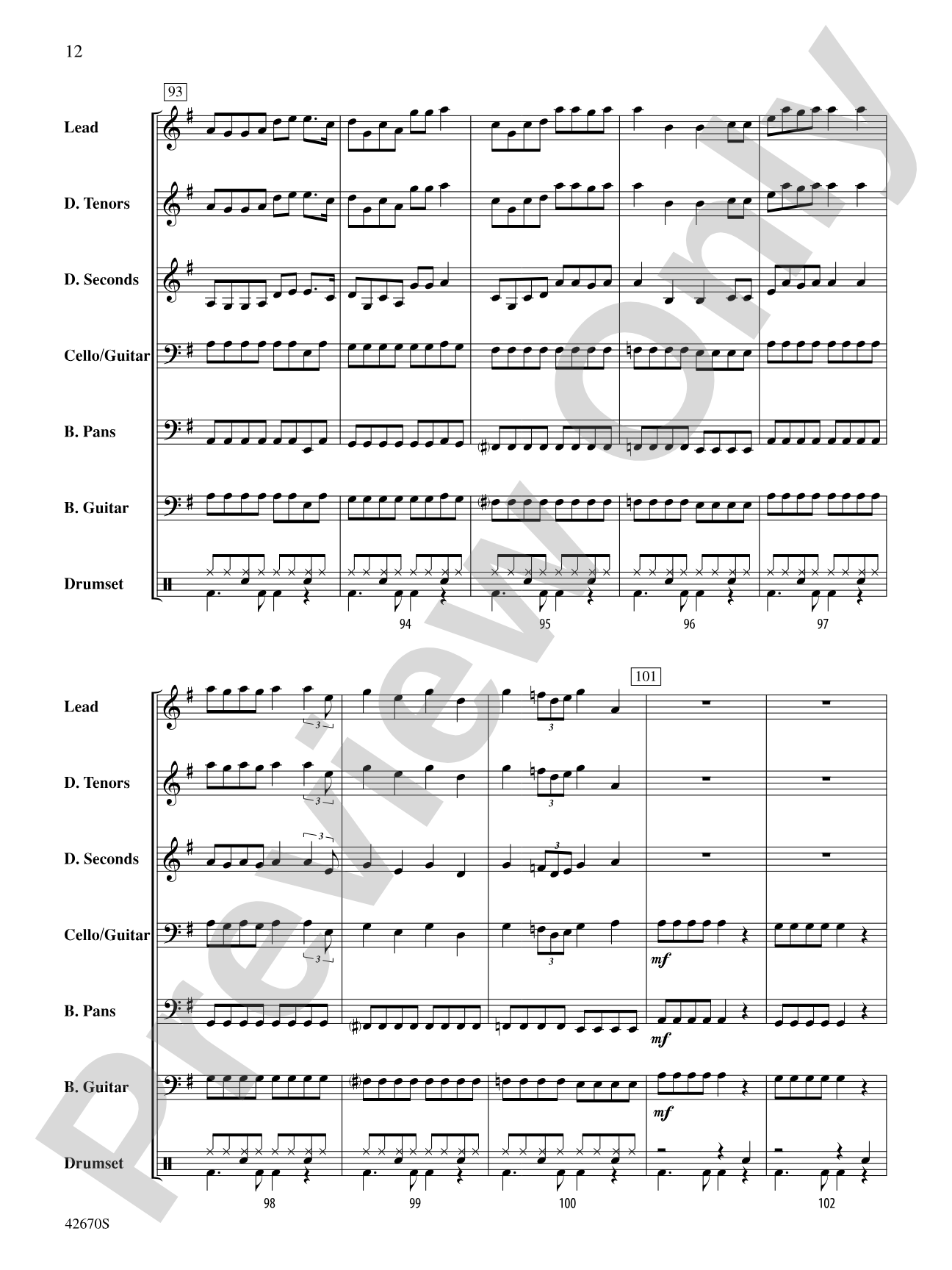
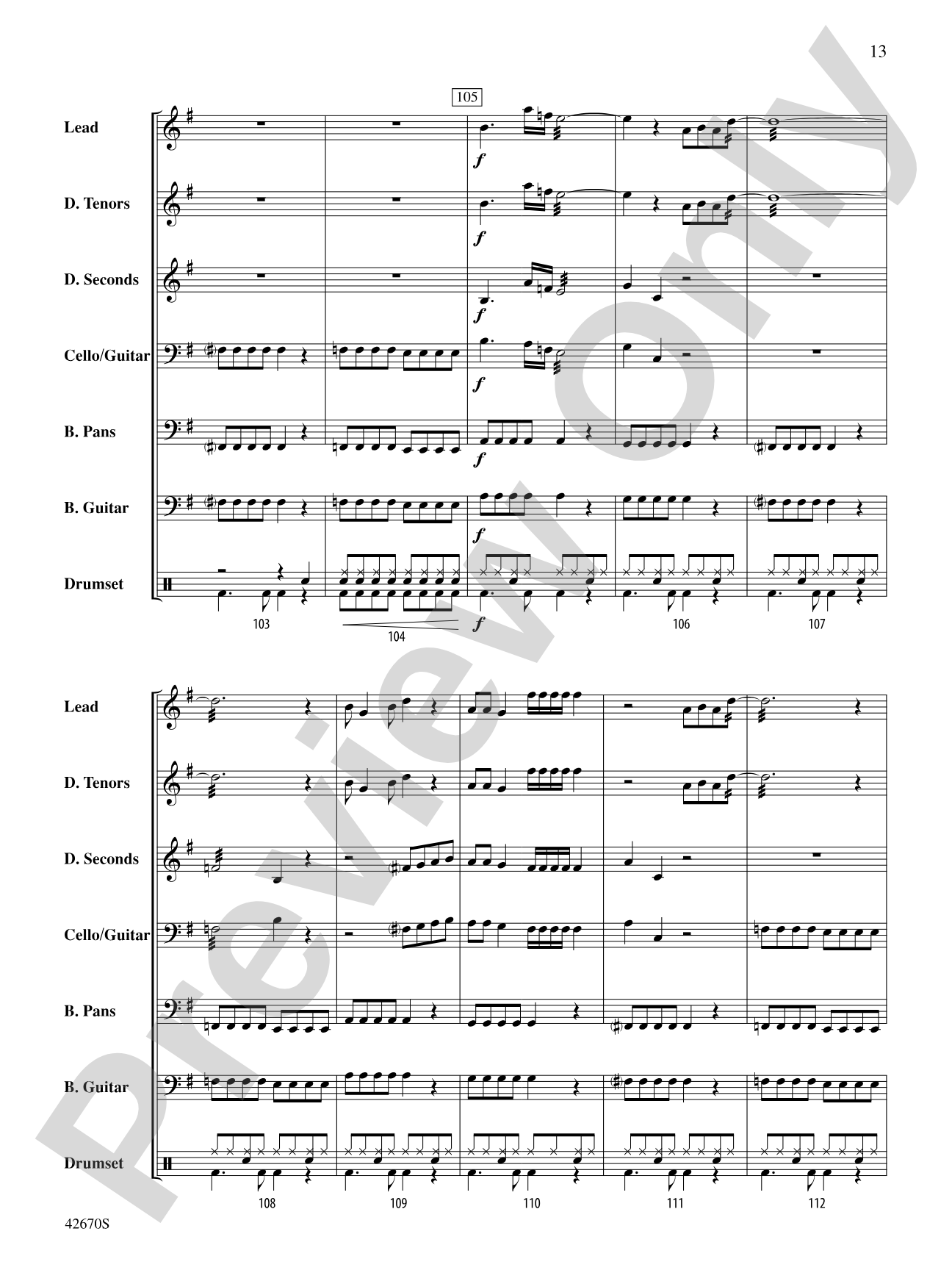
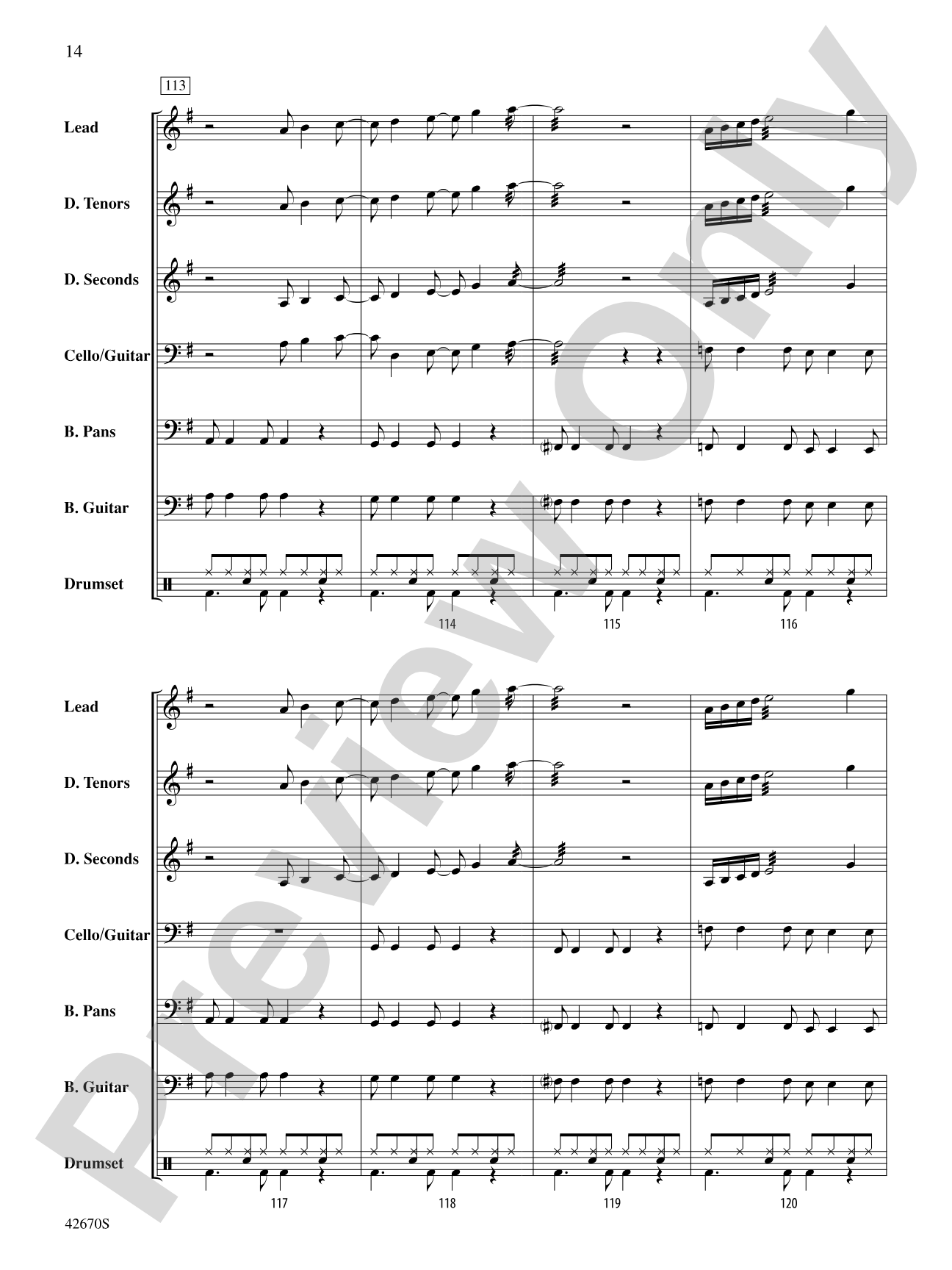
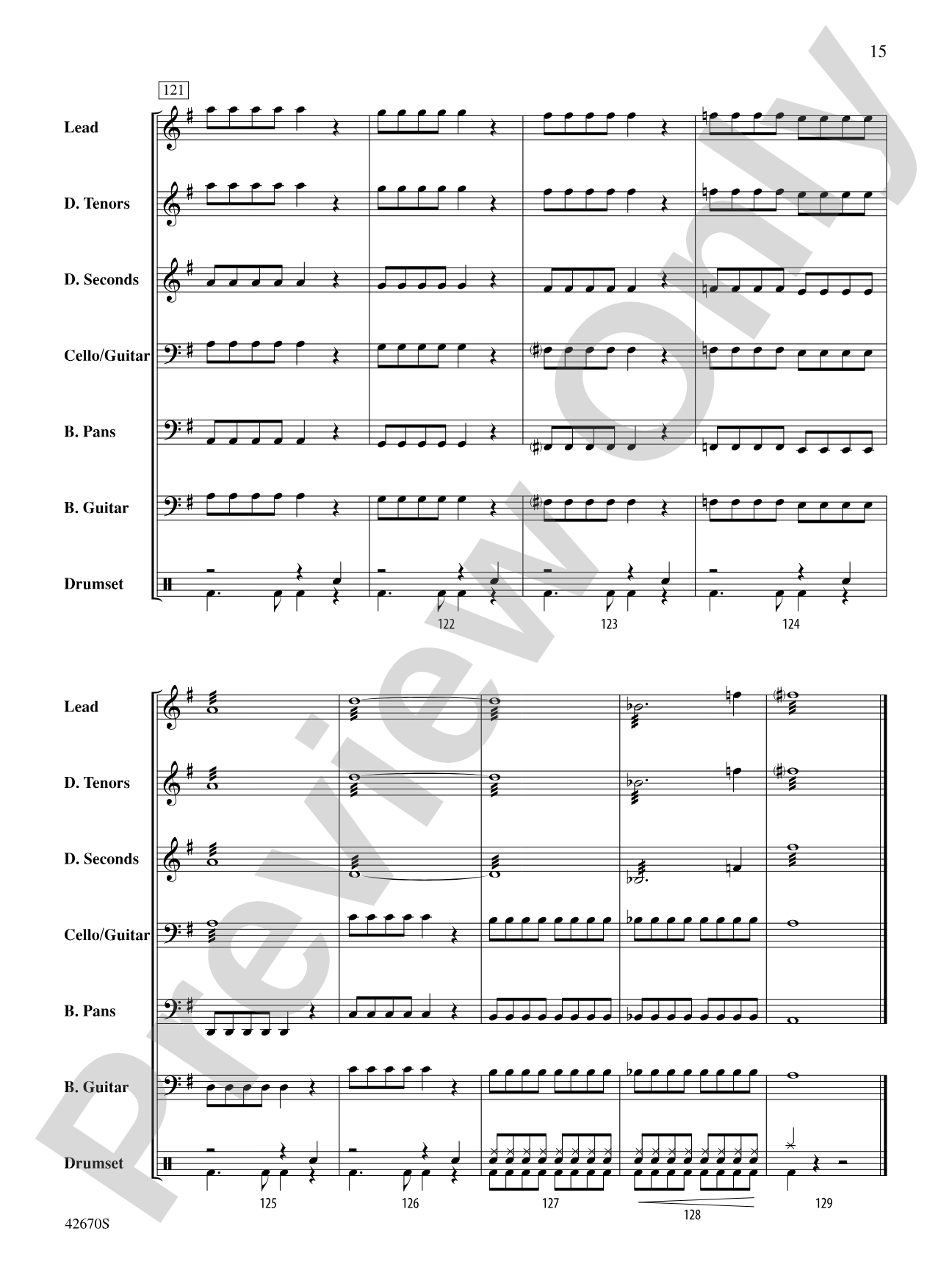

25 or 6 to 4: Steel Drum Conductor Score & Parts
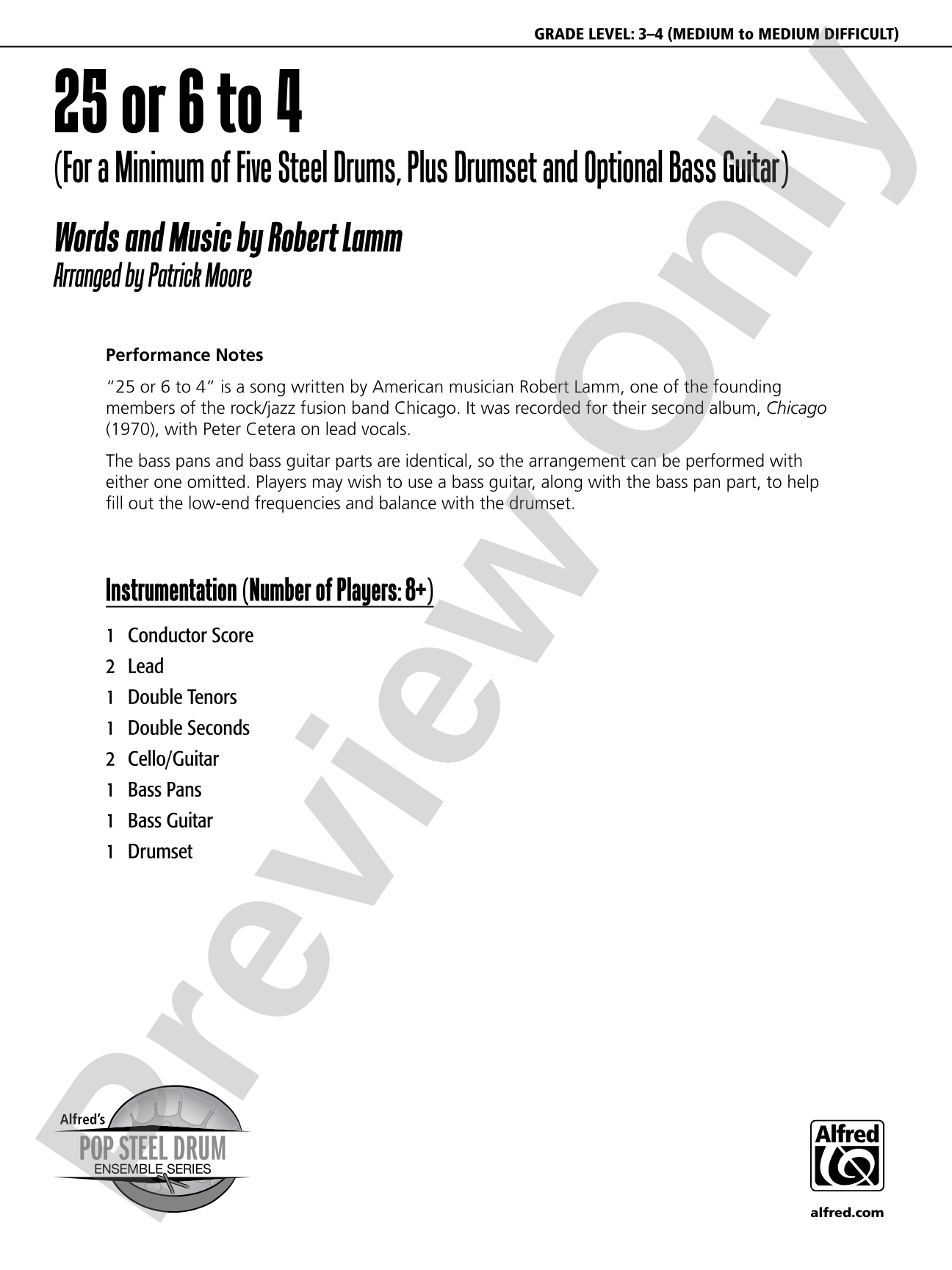
For a Minimum of Five Steel Drums, Plus Drumset, and Optional Bass Guitar
Words and music by Robert Lamm [Chicago] / arr. Patrick Moore
Item: 00-PK-0006341

$18.99
One moment…
Related Items
25 or 6 to 4: Steel Drum Conductor Score & Parts |
$18.99
|
View |
Description
This song was written by American musician Robert Lamm, one of the founding members of the rock/jazz fusion band Chicago. It was recorded for their second album, Chicago (1970), with Peter Cetera on lead vocals.


Don't just read it, hear it, play along with it, and watch your students grow with it. In MakeMusic Cloud, 25 or 6 to 4: Steel Drum Conductor Score & Parts comes alive with professional accompaniment, adjustable tempo, and built-in practice tools that turn solo practice into real progress.
Open in the Player
Jump straight in and assign it today.
Start Your Free Trial
Open this title and explore the full library in minutes.
Sample Audio
No sample audio found.
Sample Video
No sample videos found.
Additional Details
Series:
Alfred's Pop Steel Drum Ensemble Series
Publisher:
Alfred Music
Page Count:
36
SKU:
00-PK-0006341
Instrumentation:
Steel Drum Ensemble
More about this title
About the Composer: Robert Lamm
Robert Lamm co-founded Chicago in 1967 and served as the band's keyboardist, vocalist, and primary songwriter during their most innovative period. His compositions, including "25 or 6 to 4," bridged rock energy with jazz harmonies and sophisticated arranging, establishing Chicago as leaders of the rock/jazz fusion movement. Lamm's songwriting emphasizes melodic hooks and rhythmic complexity, qualities that translate powerfully to ensemble percussion settings.
Why we love this
This arrangement captures the propulsive urgency and syncopated groove that made the original a rock classic, while repositioning those elements as the centerpiece for an ensemble percussion piece. Patrick Moore's adaptation for steel drums transforms a keyboard-driven composition into a genuinely idiomatic percussion work where rhythm section interaction and tuned percussion independence become the focus. Steel drum players encounter a legitimate fusion context here, not a simplified pop song.
What to expect
The piece throbs with the tightened coil of a rock anthem, built on repetitive rhythmic cells and a forward-leaning pulse that never settles. There's an urgent, almost anxious quality beneath the grooveability, a sense of momentum that pushes rather than sways. Steel drums bring unexpected luminosity to this urban, electric energy.
Who it's for
Steel drum ensemble programs at the intermediate to advanced level will find this a genuine performance opportunity that respects both the percussion medium and the source material. Directors seeking to program a recognizable title that demonstrates fusion principles and rhythmic sophistication will find it here. This score works for groups comfortable with independent part work and ensemble independence across a full ensemble texture.
How to get the most out of it
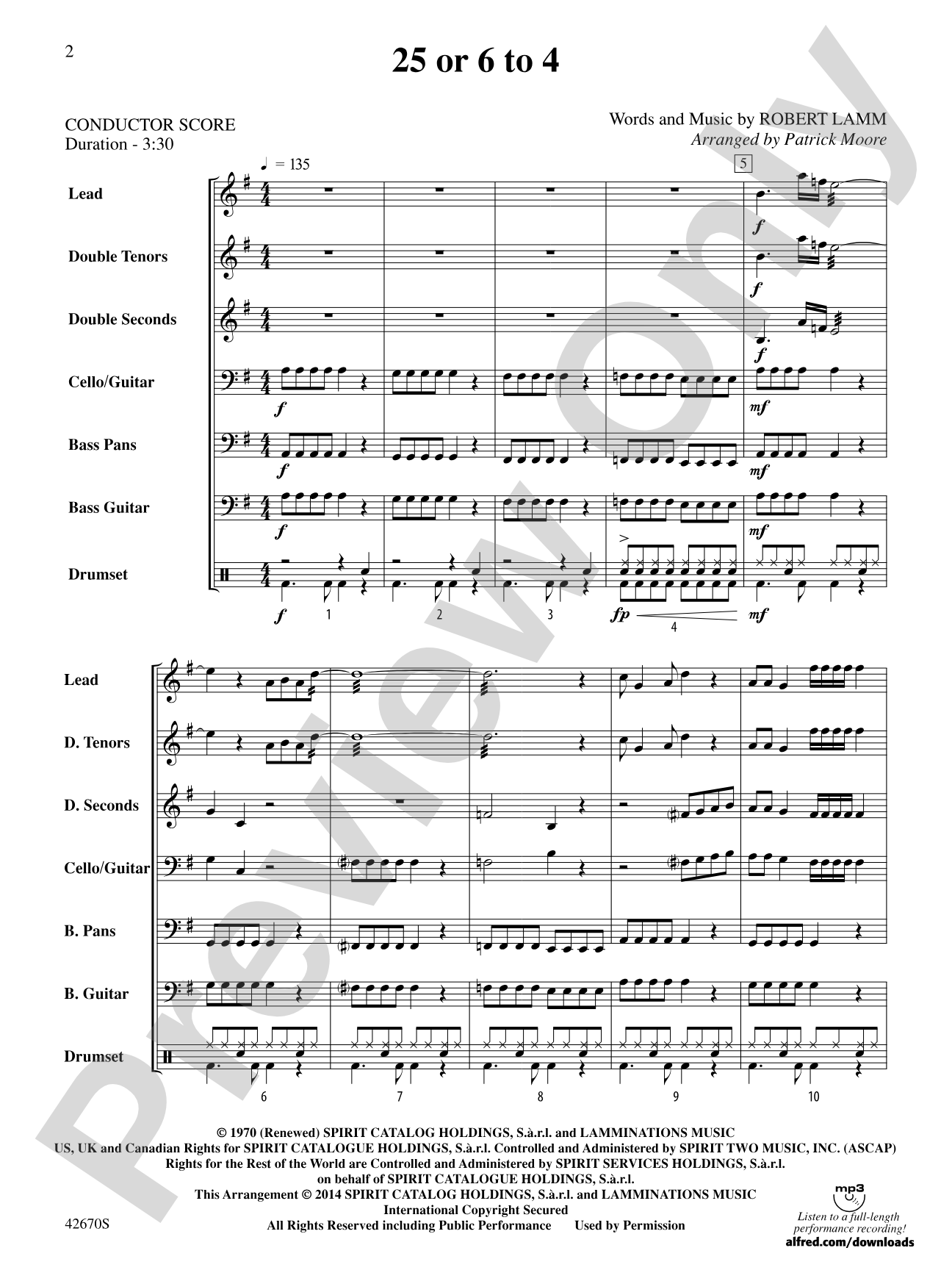
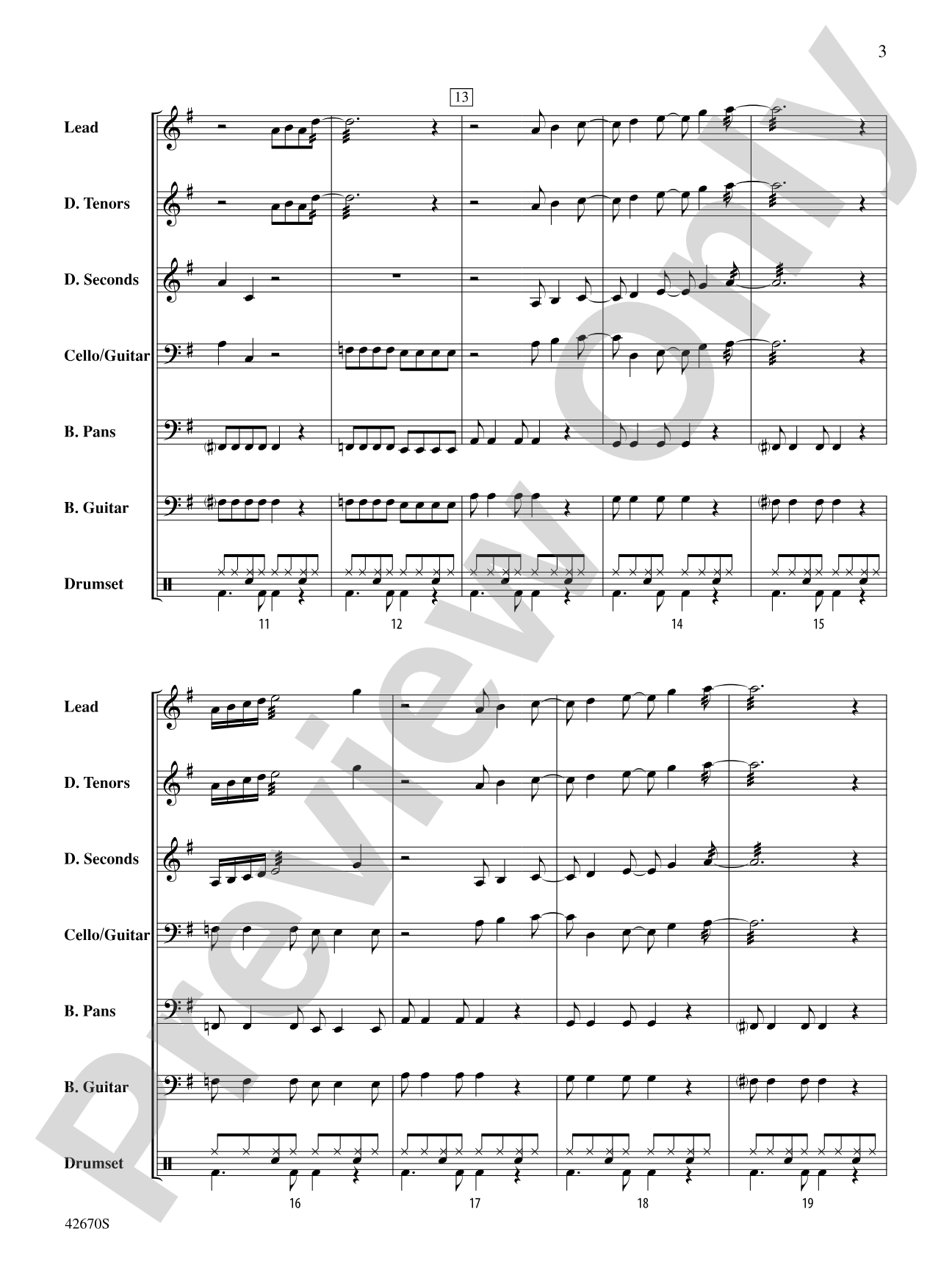
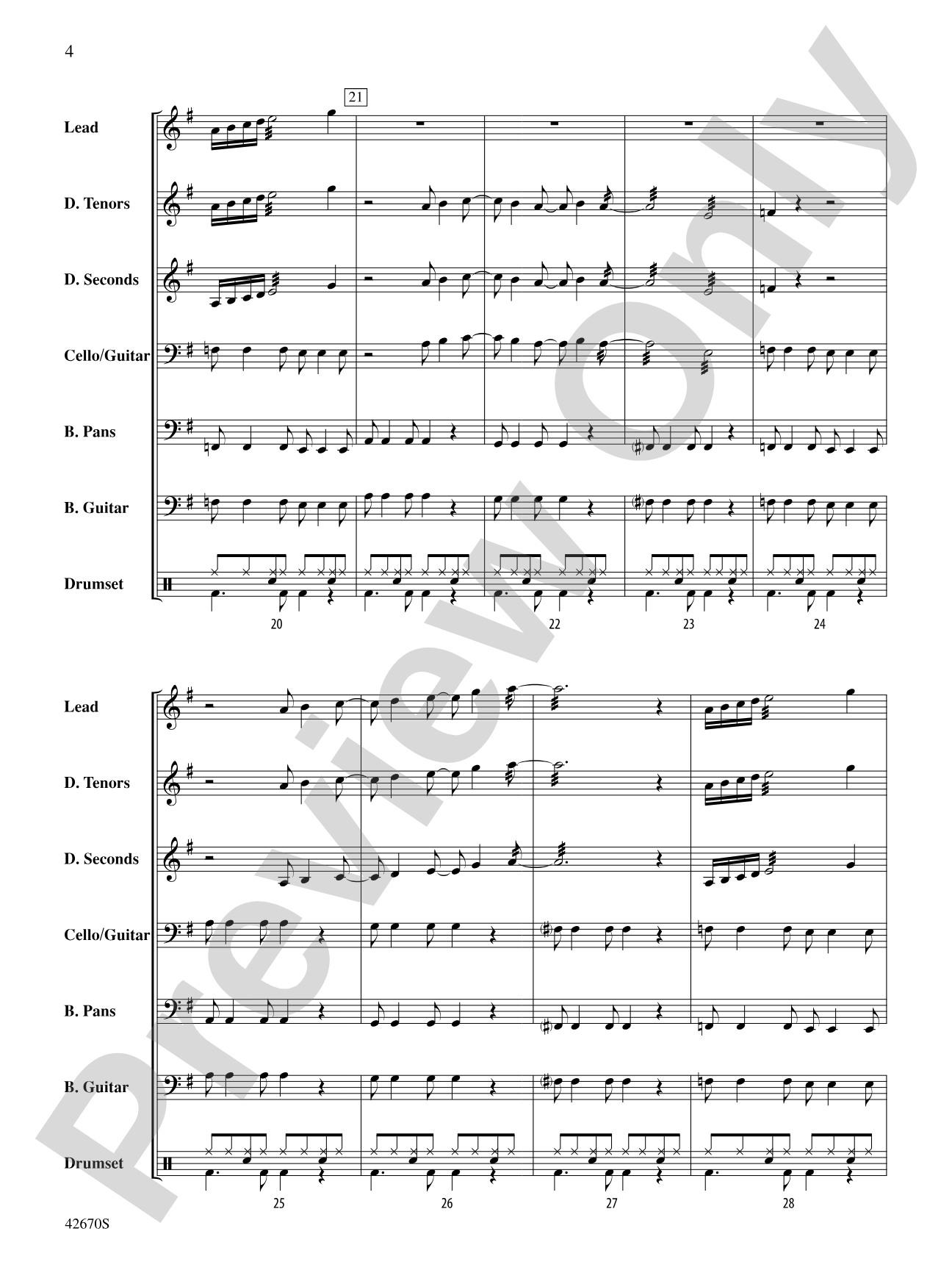
- Lock the groove with the lead steel drum and bass parts trading rhythmic responsibility; the original's forward momentum depends on tightness between these voices.
- Balance the secondary percussion layers carefully so they enhance rather than obscure the steel drum melody; think of them as textural support, not equal melodic weight.
- Maintain clarity in the staccato figures that drive the song's energy; precise articulation separation gives the fusion arrangement its definition.
- Shape the dynamic arc across the full 36 pages by identifying phrase goals rather than treating the piece as steady-state groove; this work has architecture beneath its rock exterior.
How to use it
Program this alongside other percussion-driven fusion or contemporary works to showcase the ensemble's rhythmic precision and groove sensibility, or place it in a concert alongside other Chicago-era rock selections to demonstrate percussion's ability to recontextualize familiar material. The work sits at a length and energy level that works well as a set closer or second-half opener when you need audience engagement without sacrificing musicality.
Skills your students will build
- Reading syncopated rhythmic patterns across multiple independent percussion parts
- Maintaining rhythmic precision in fusion contexts with competing rhythmic layers
- Balancing melody and accompaniment roles within a steel drum ensemble texture
- Interpreting staccato and articulation markings for percussive clarity
- Ensemble independence and part security in rock/fusion grooves