
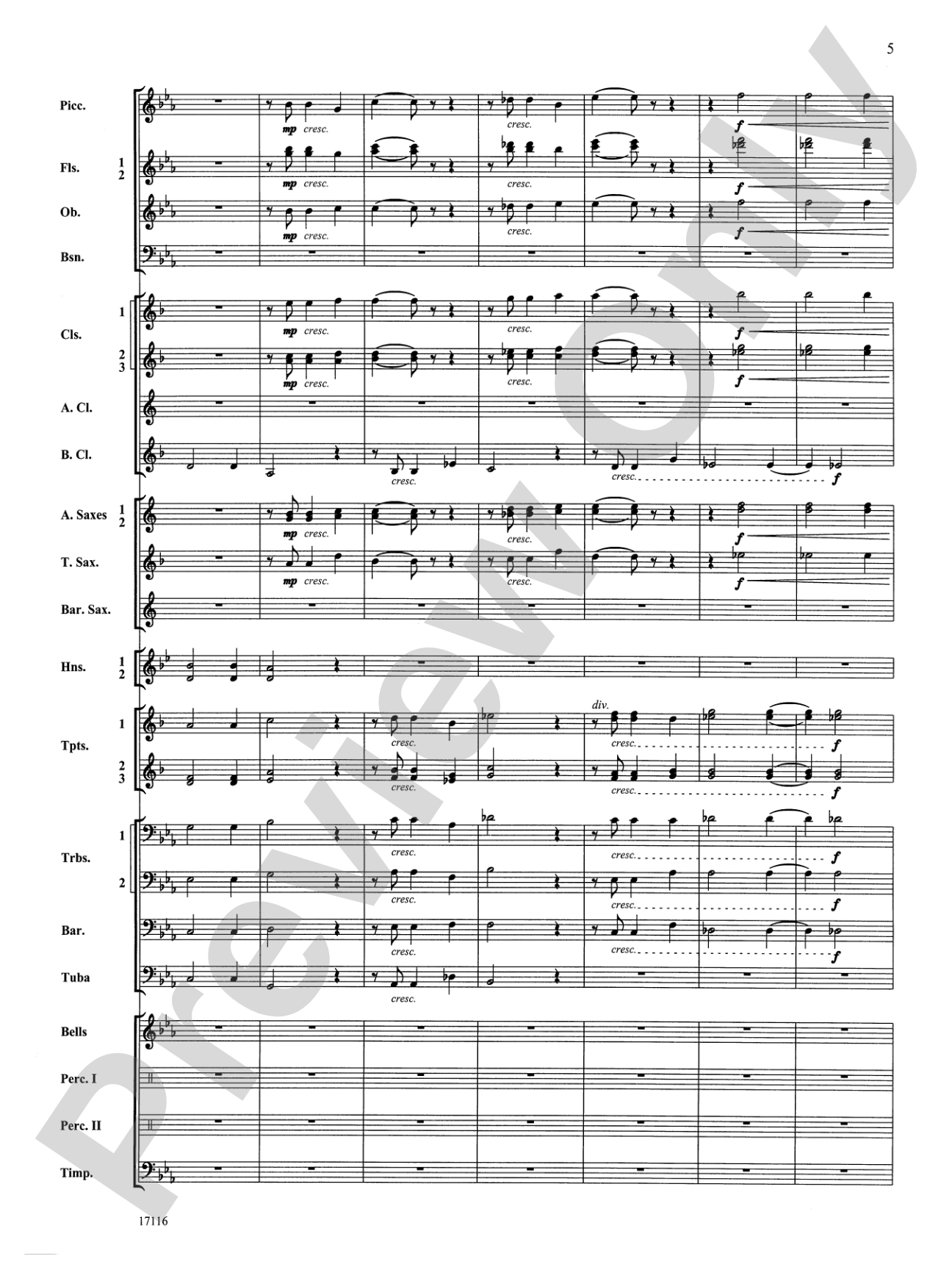
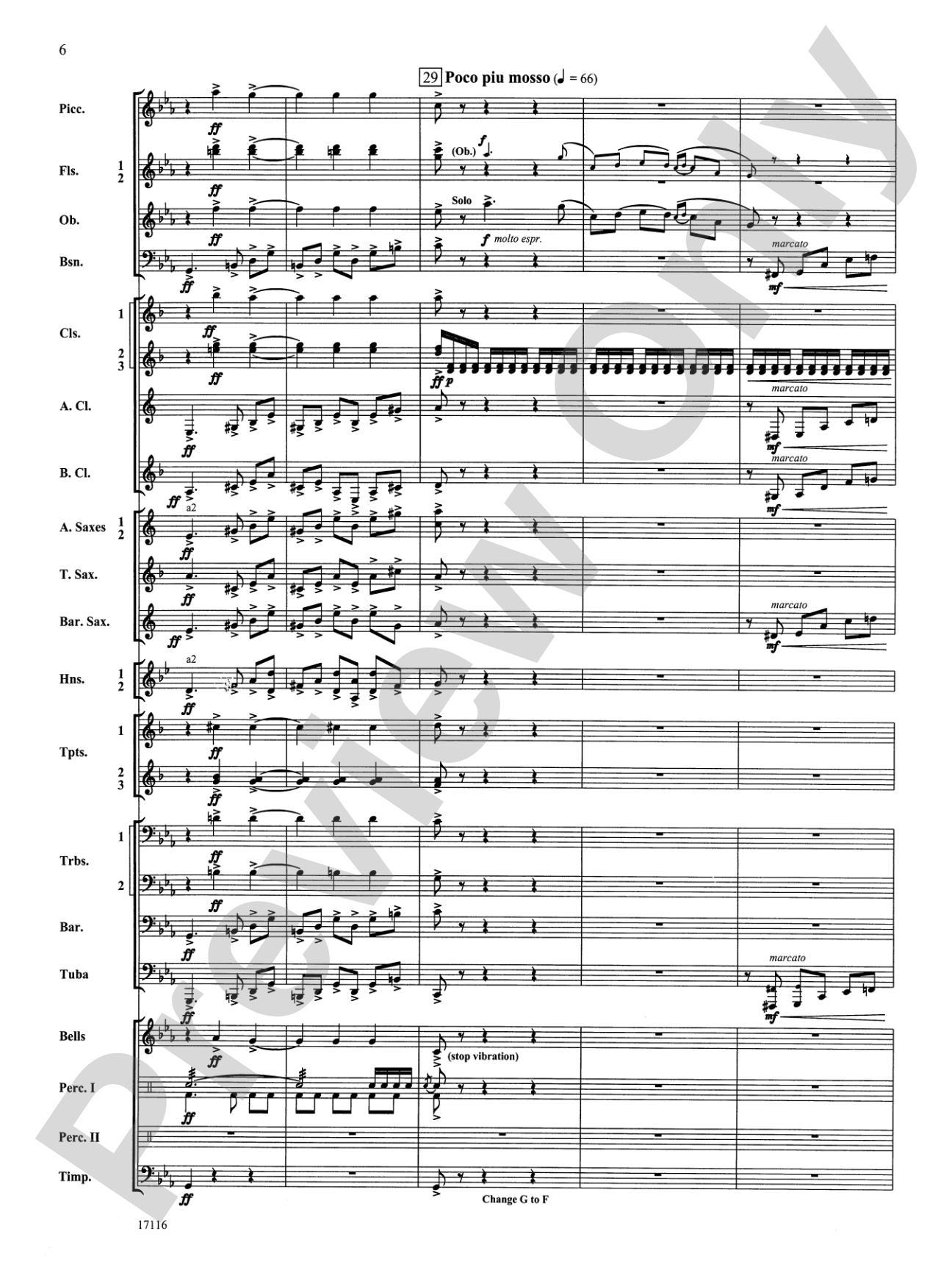
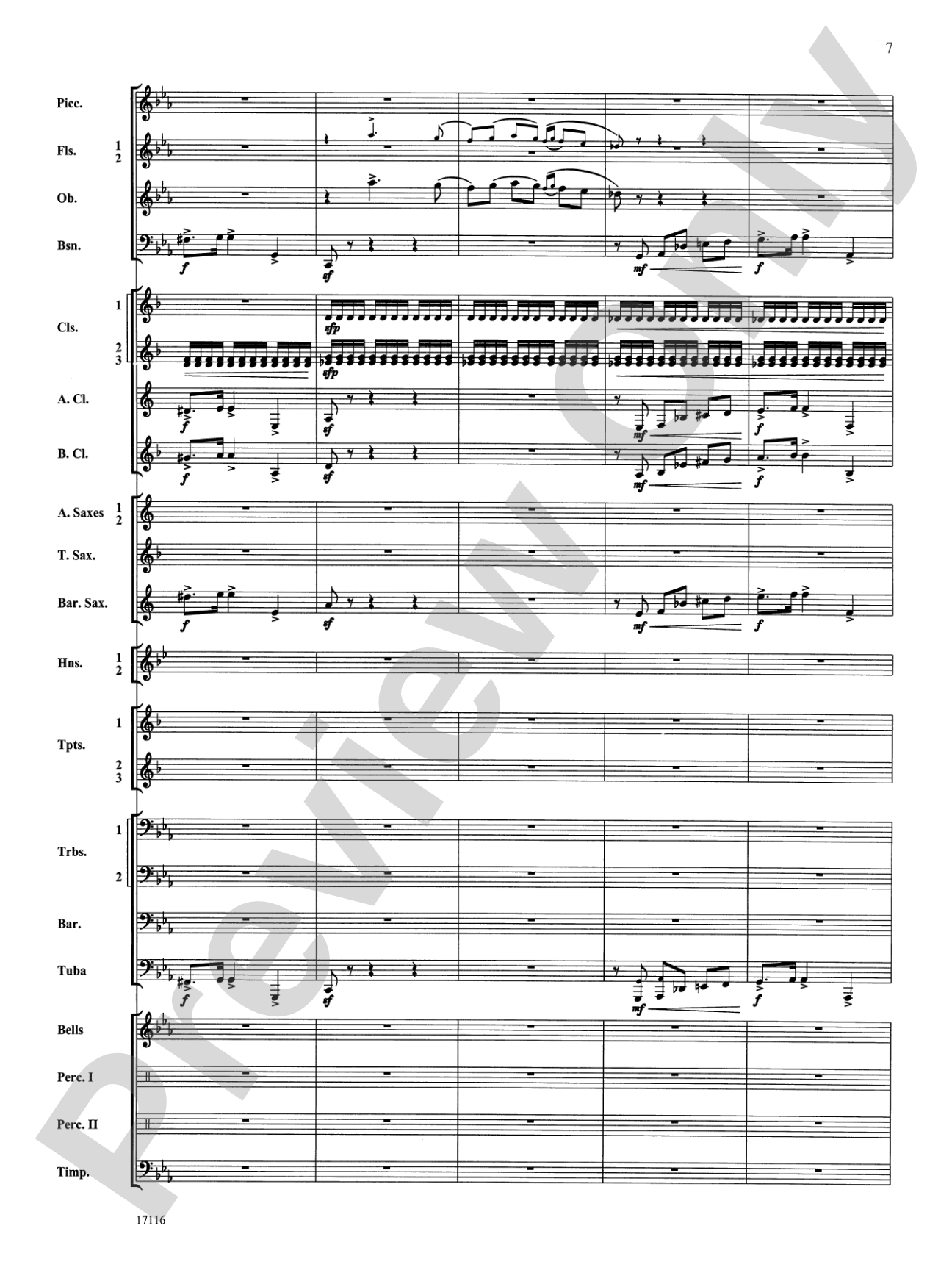
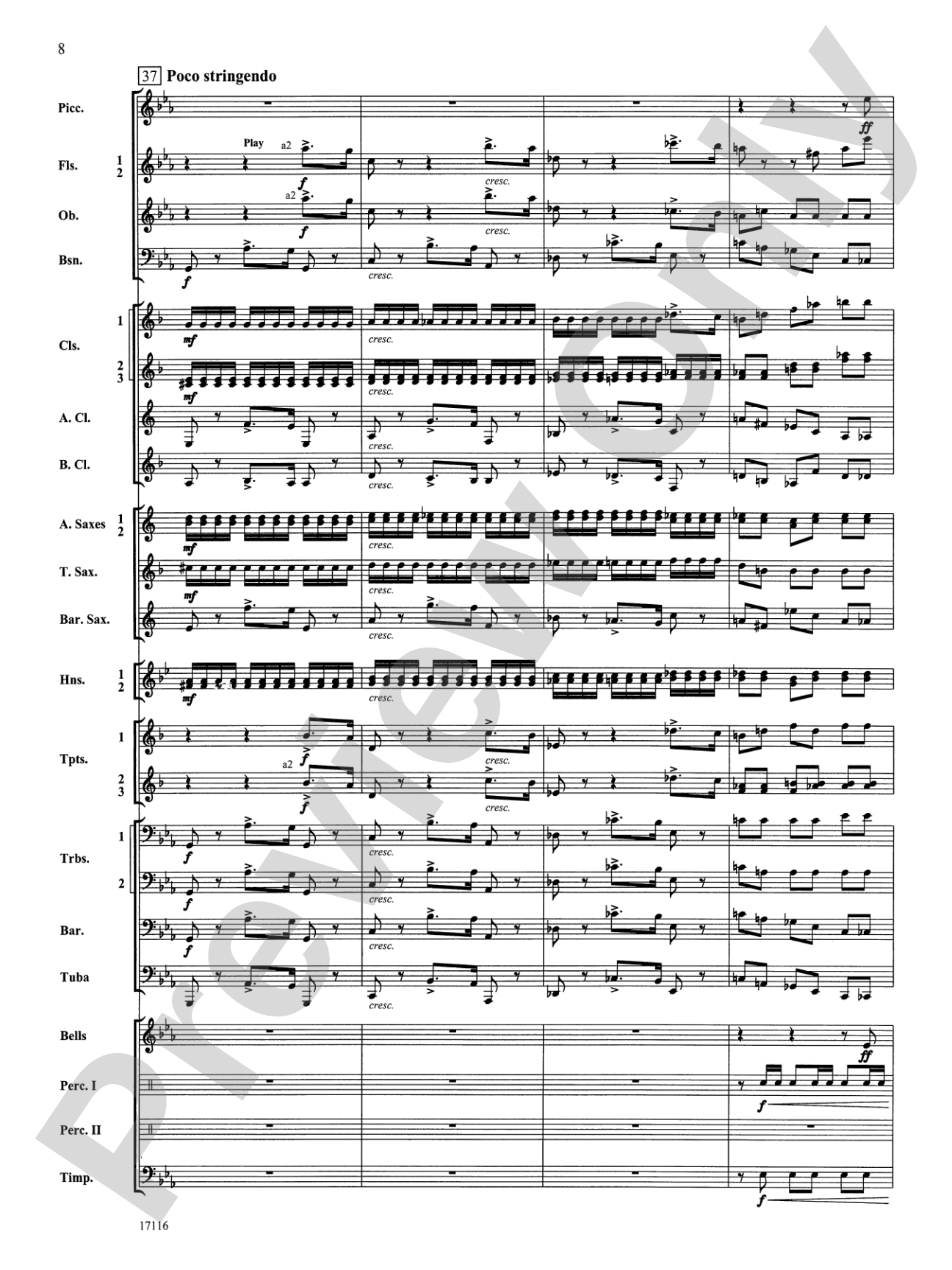
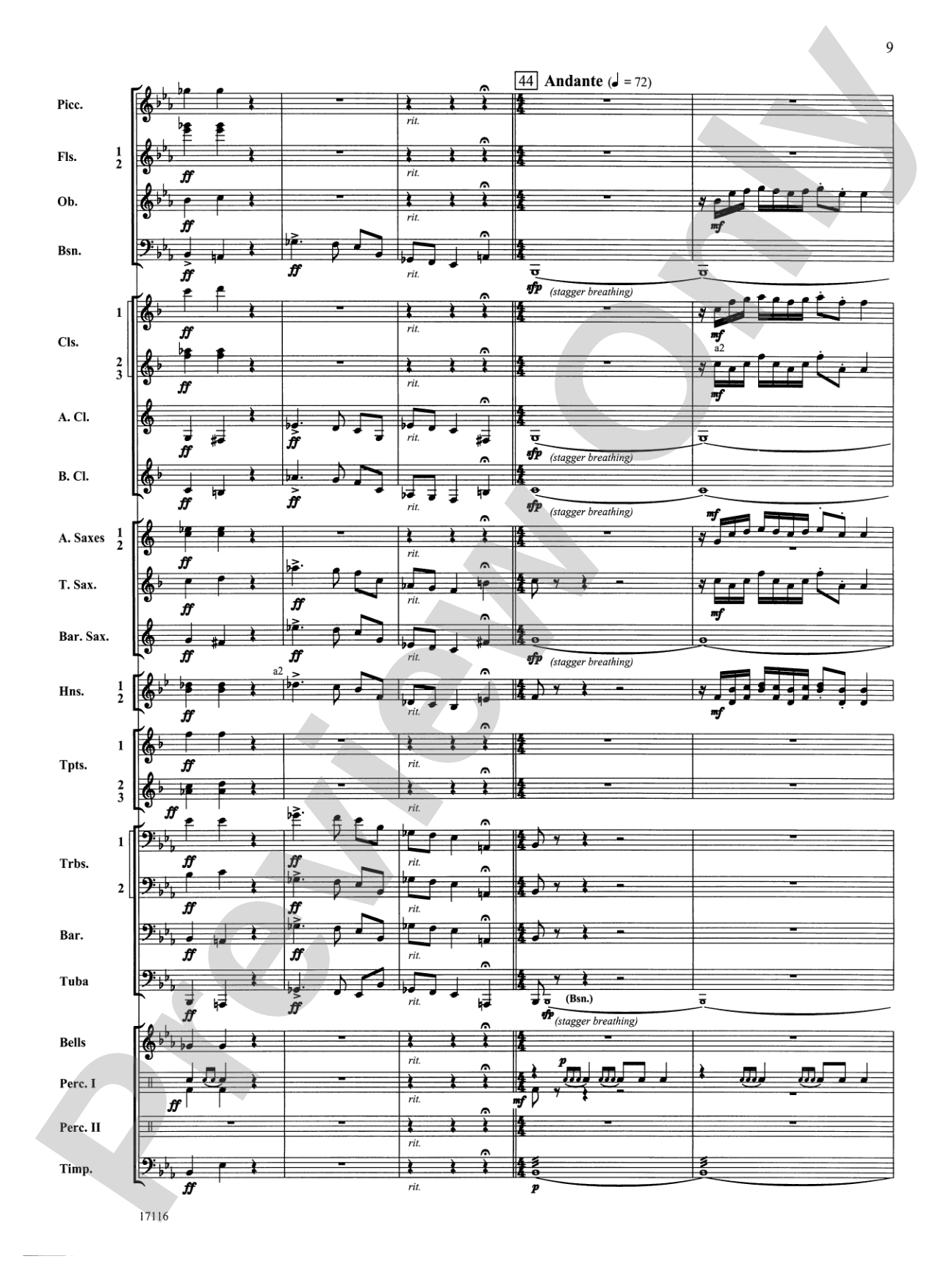
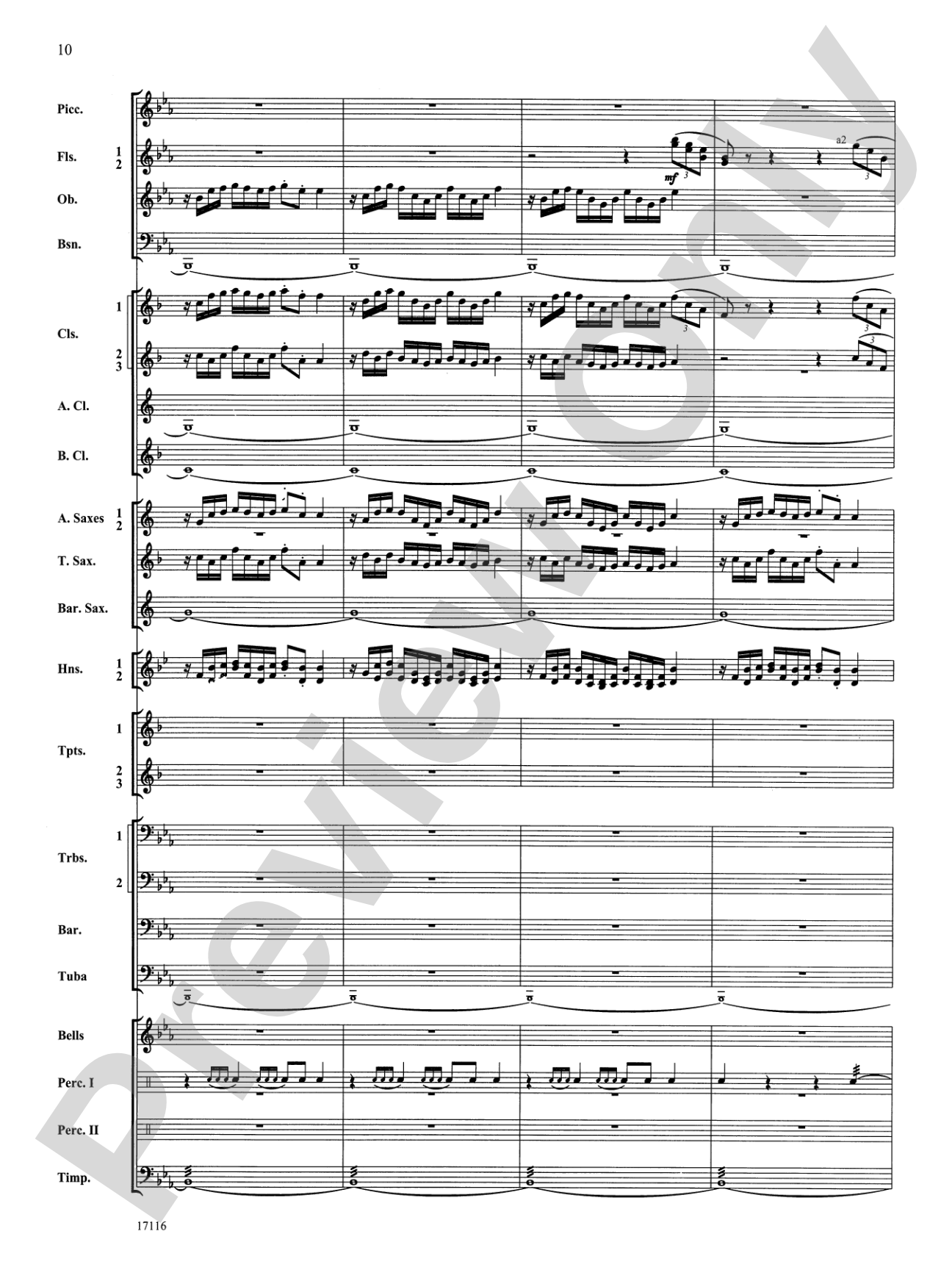
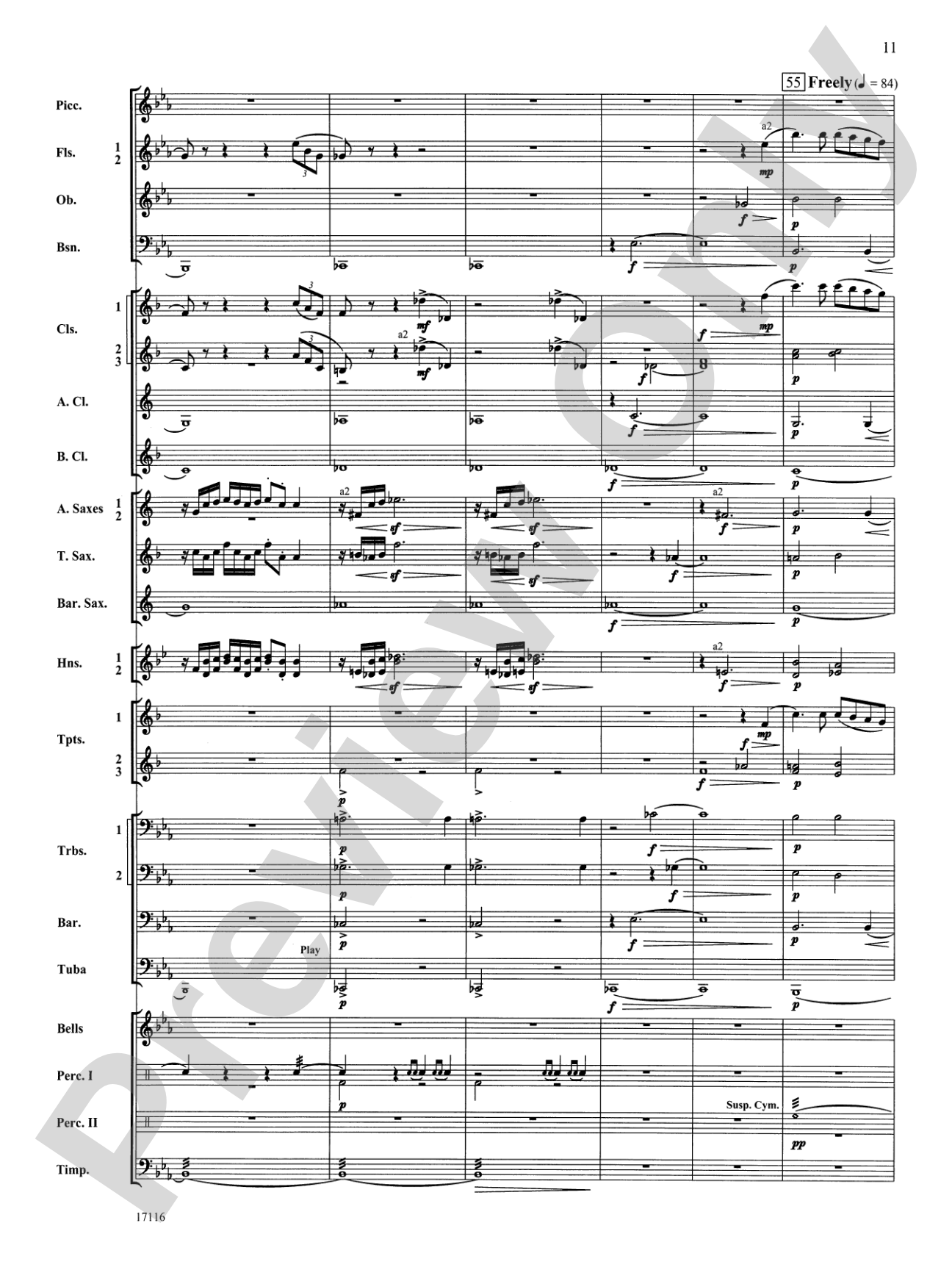
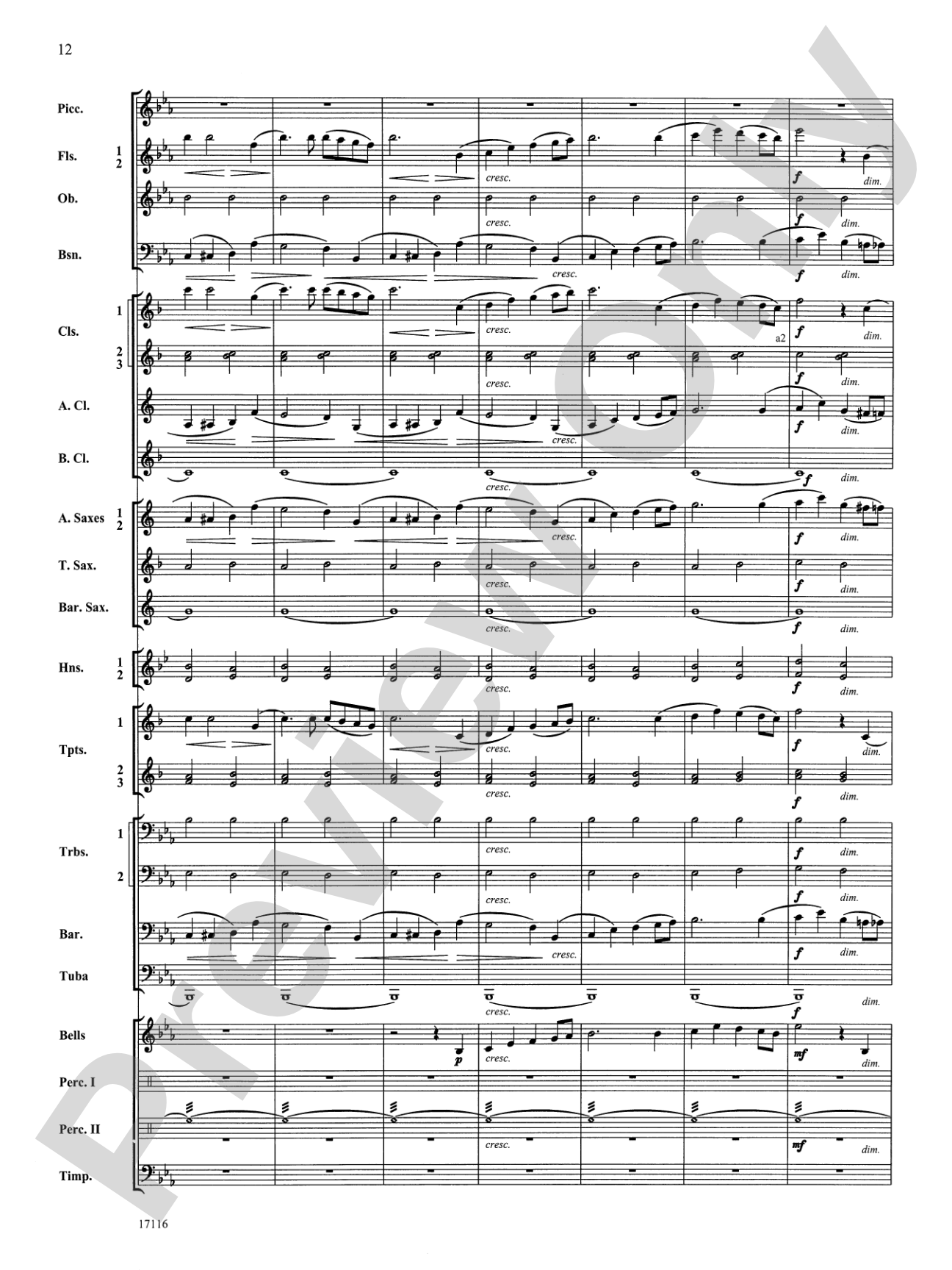
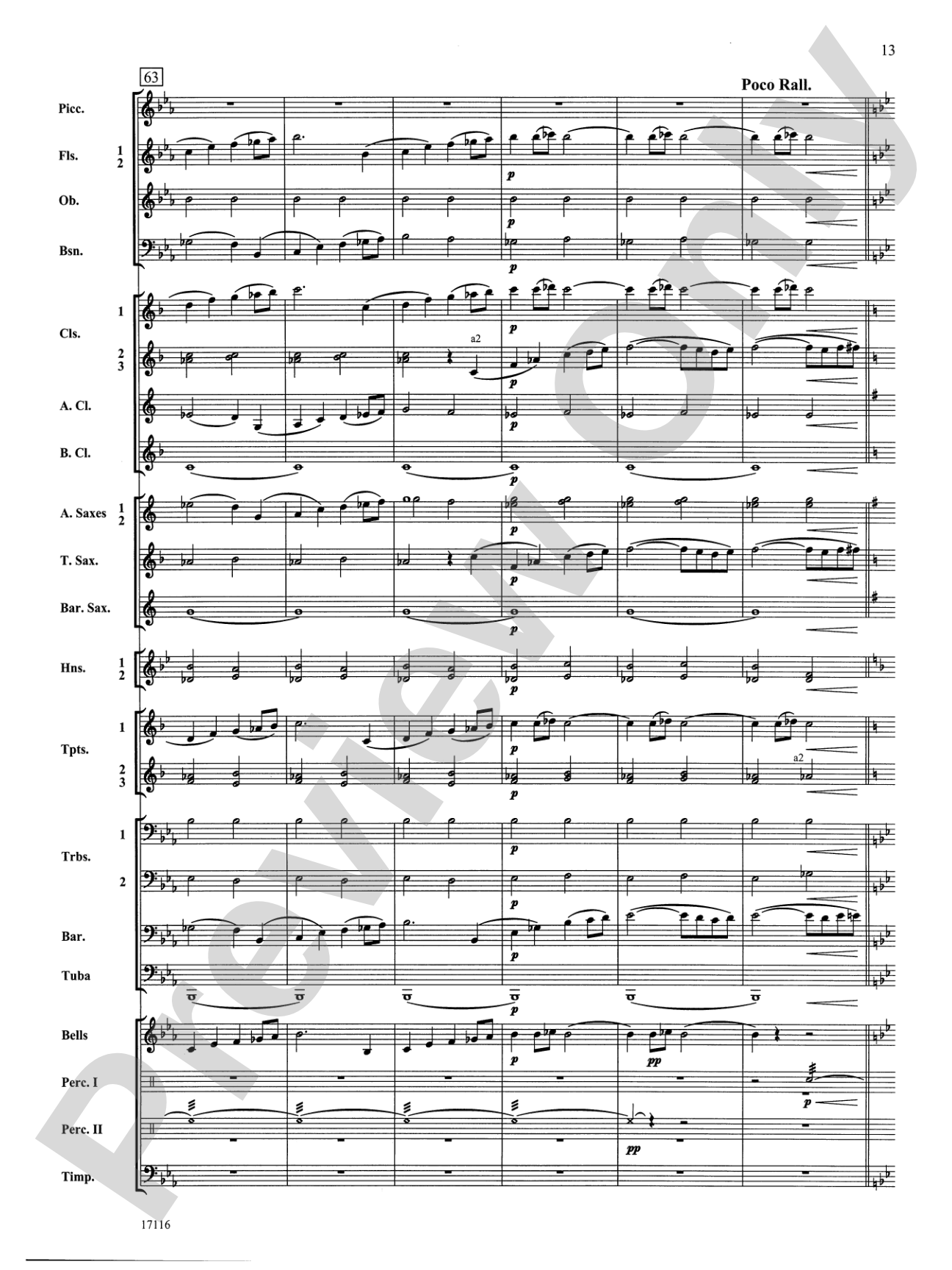
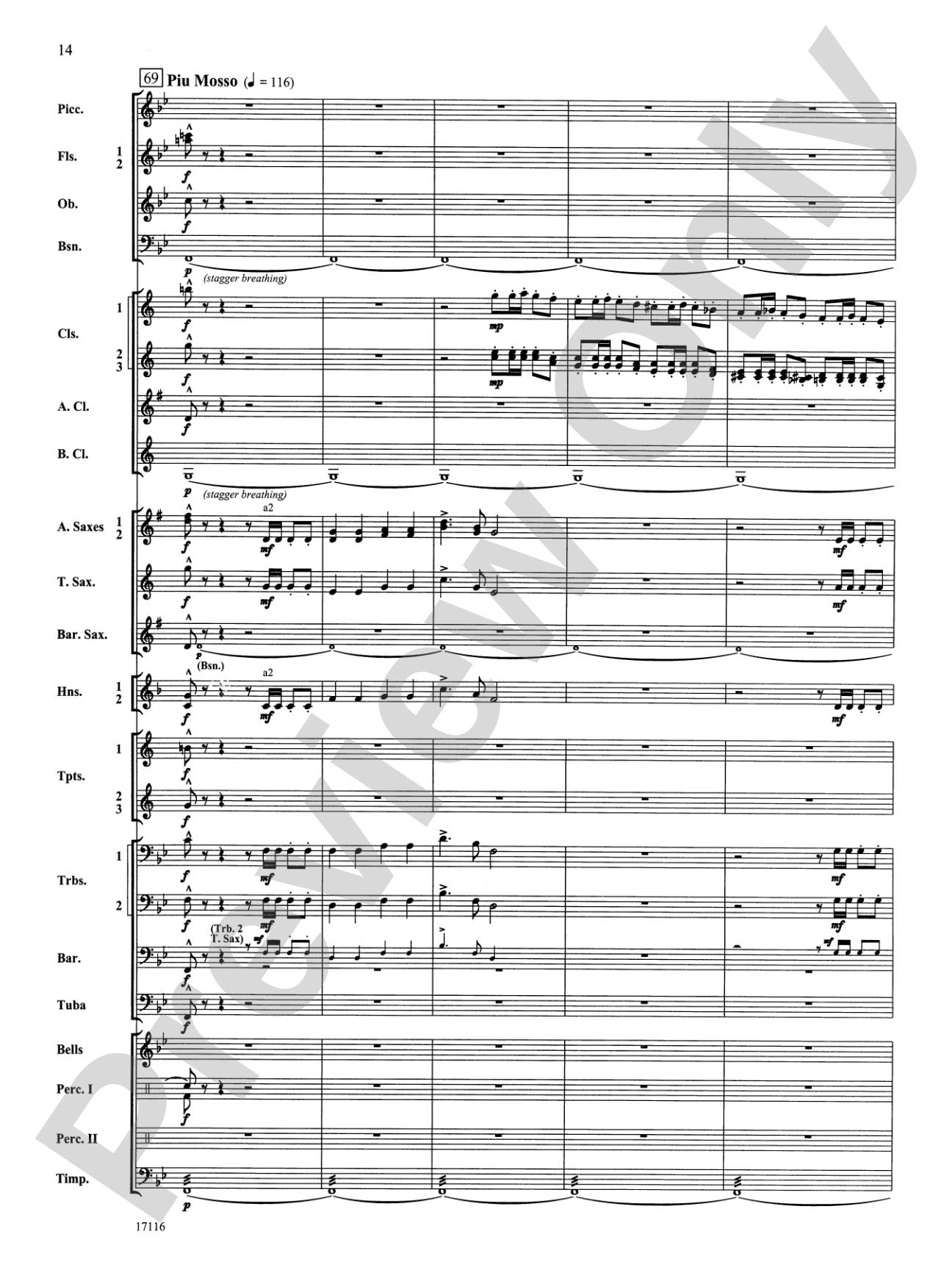
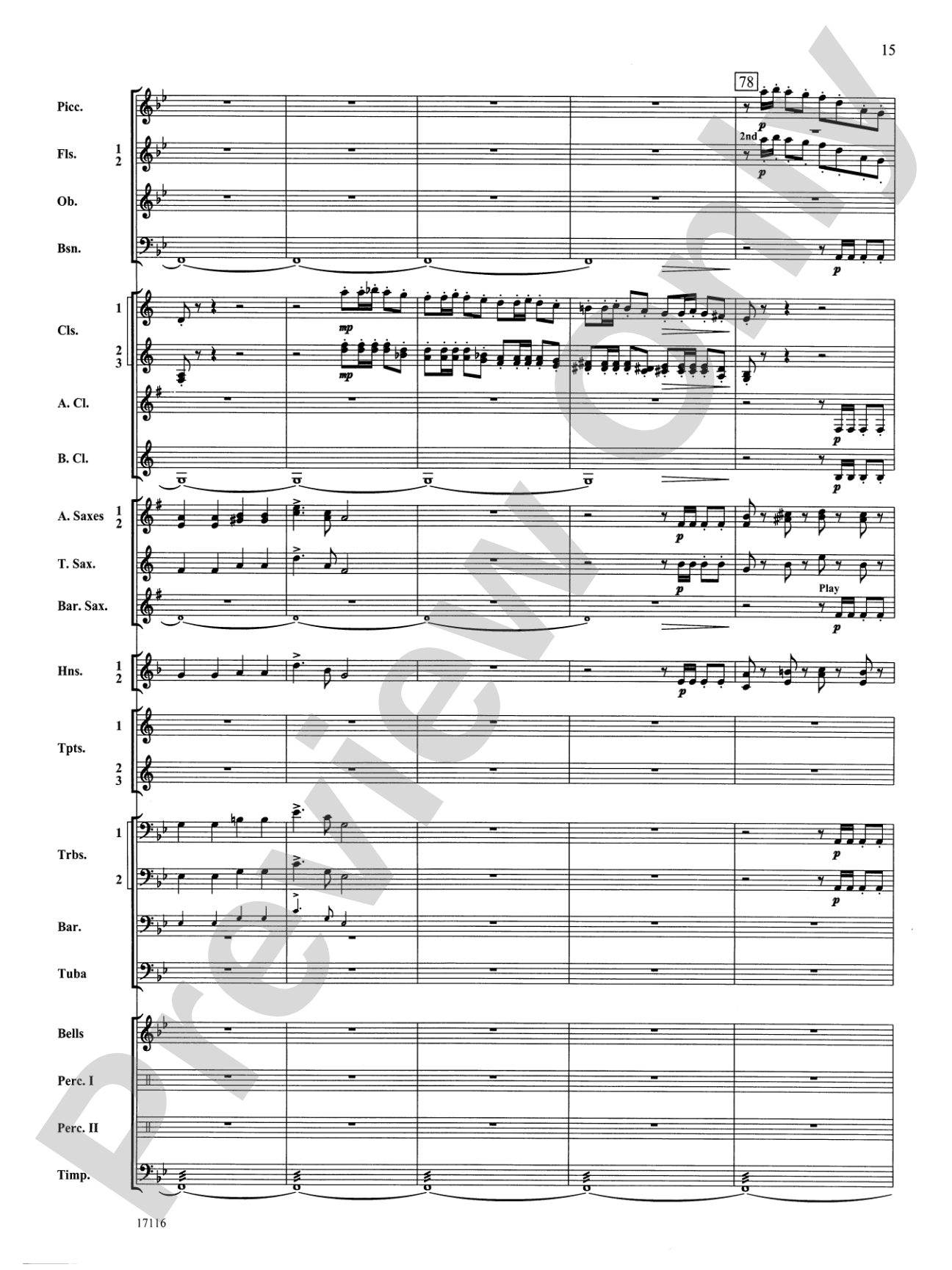
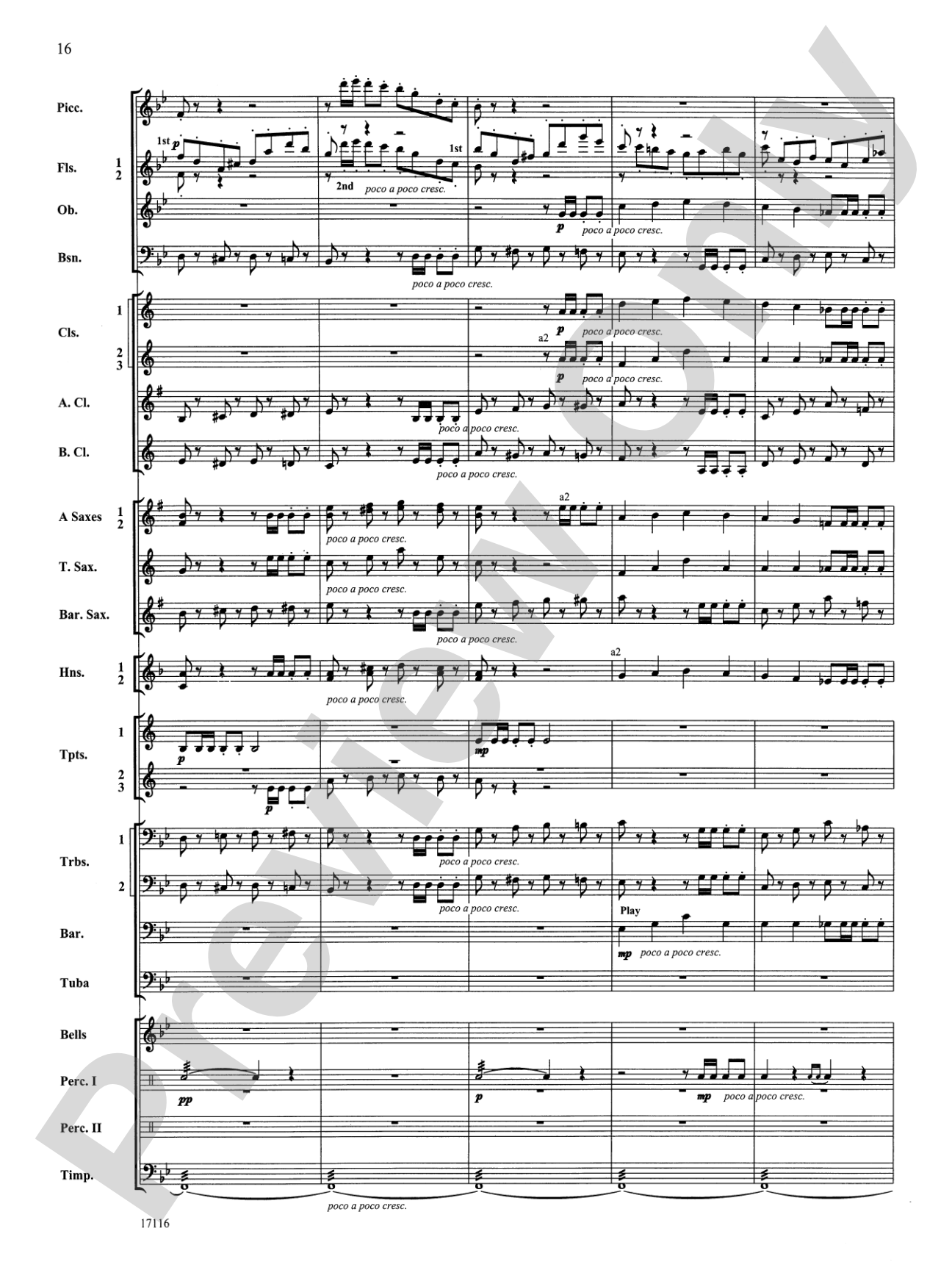
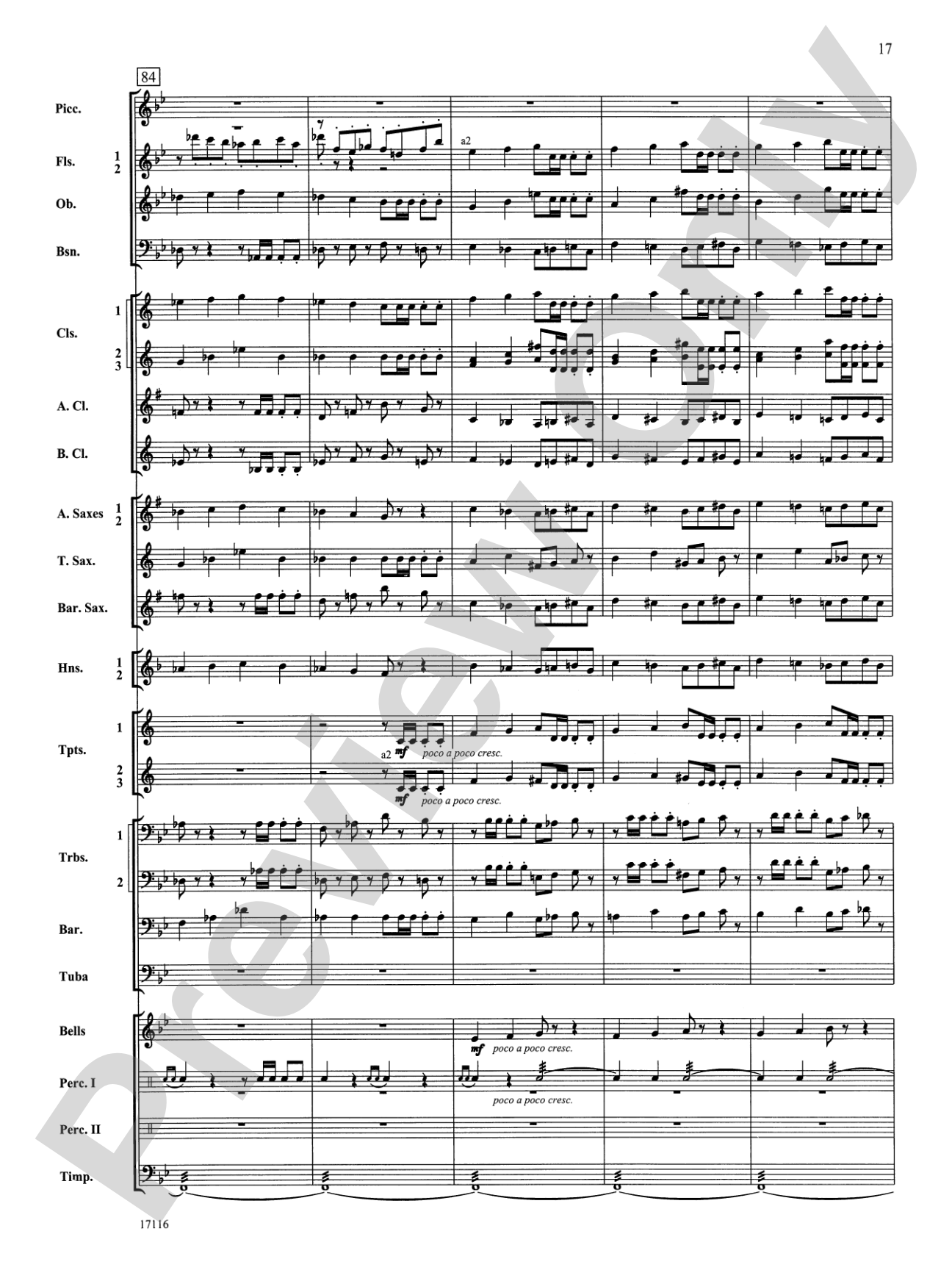
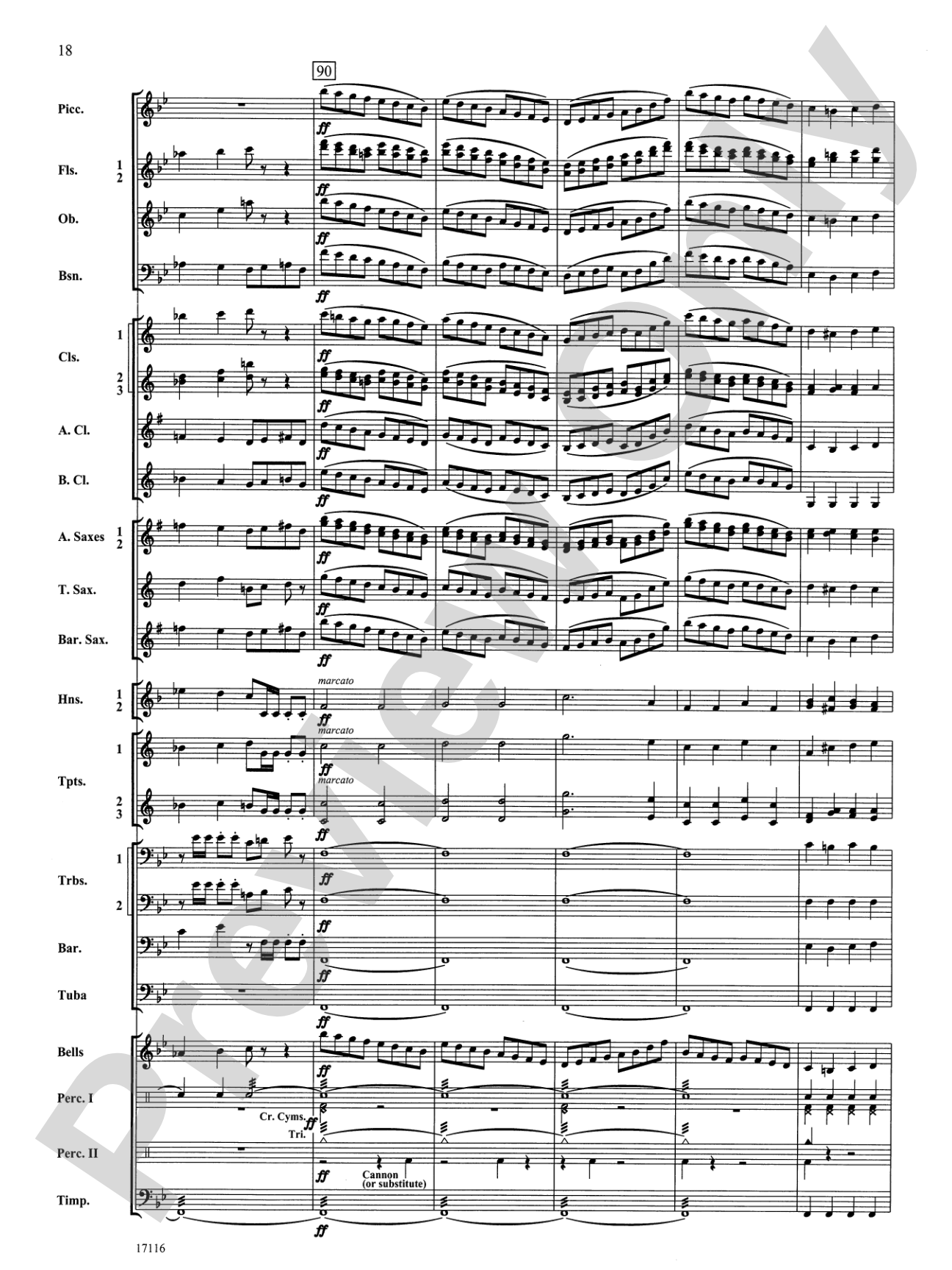
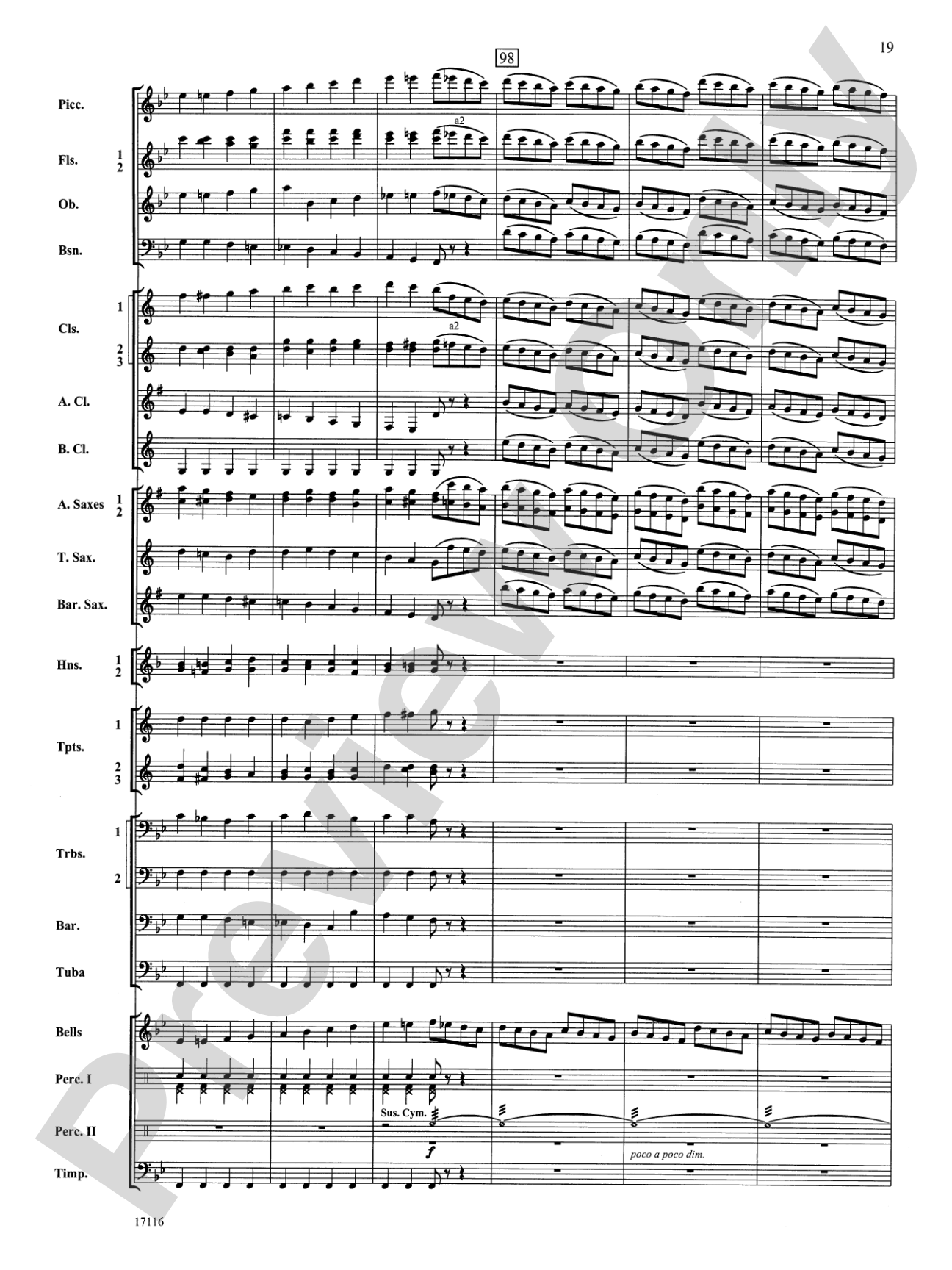
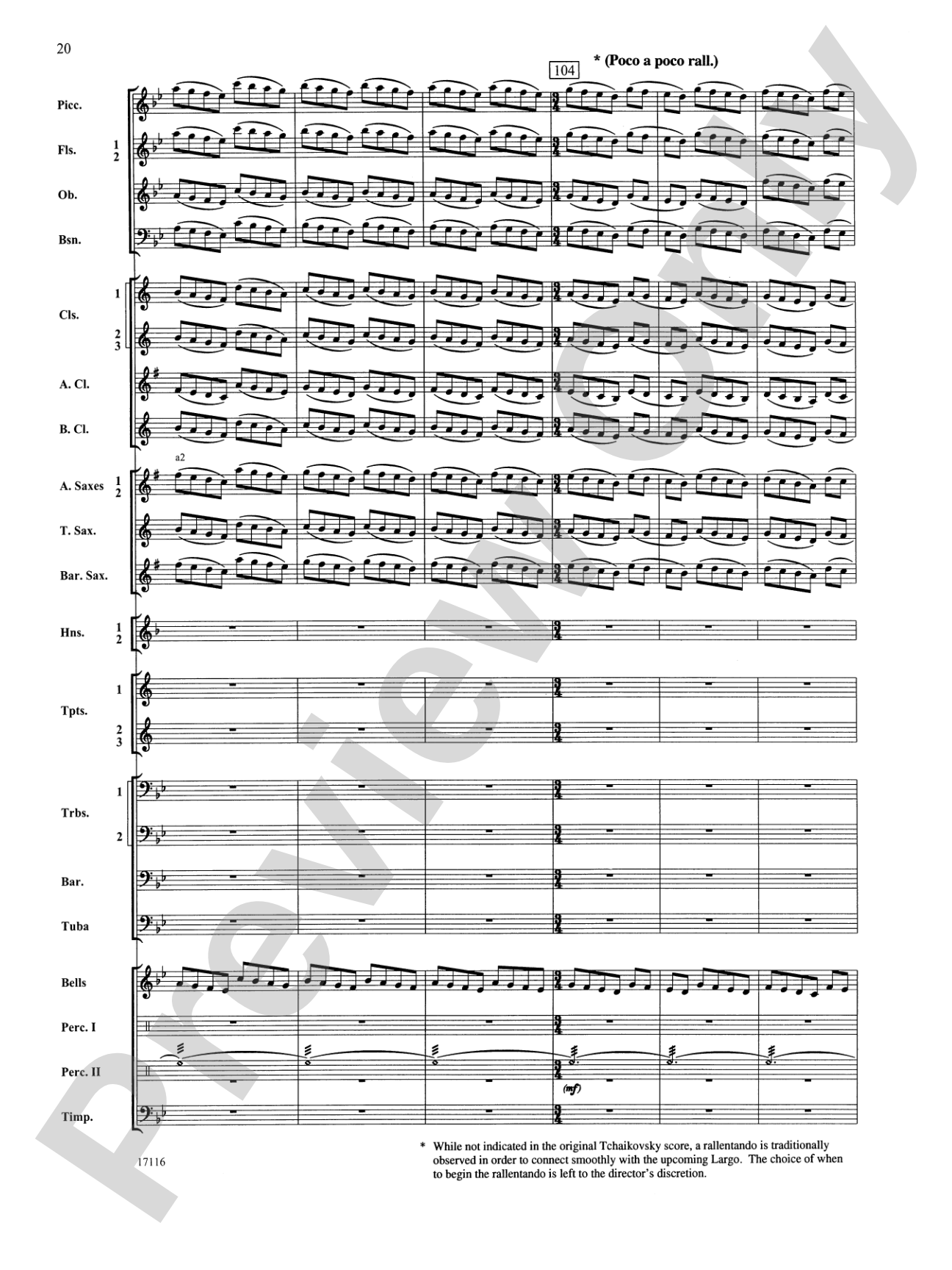
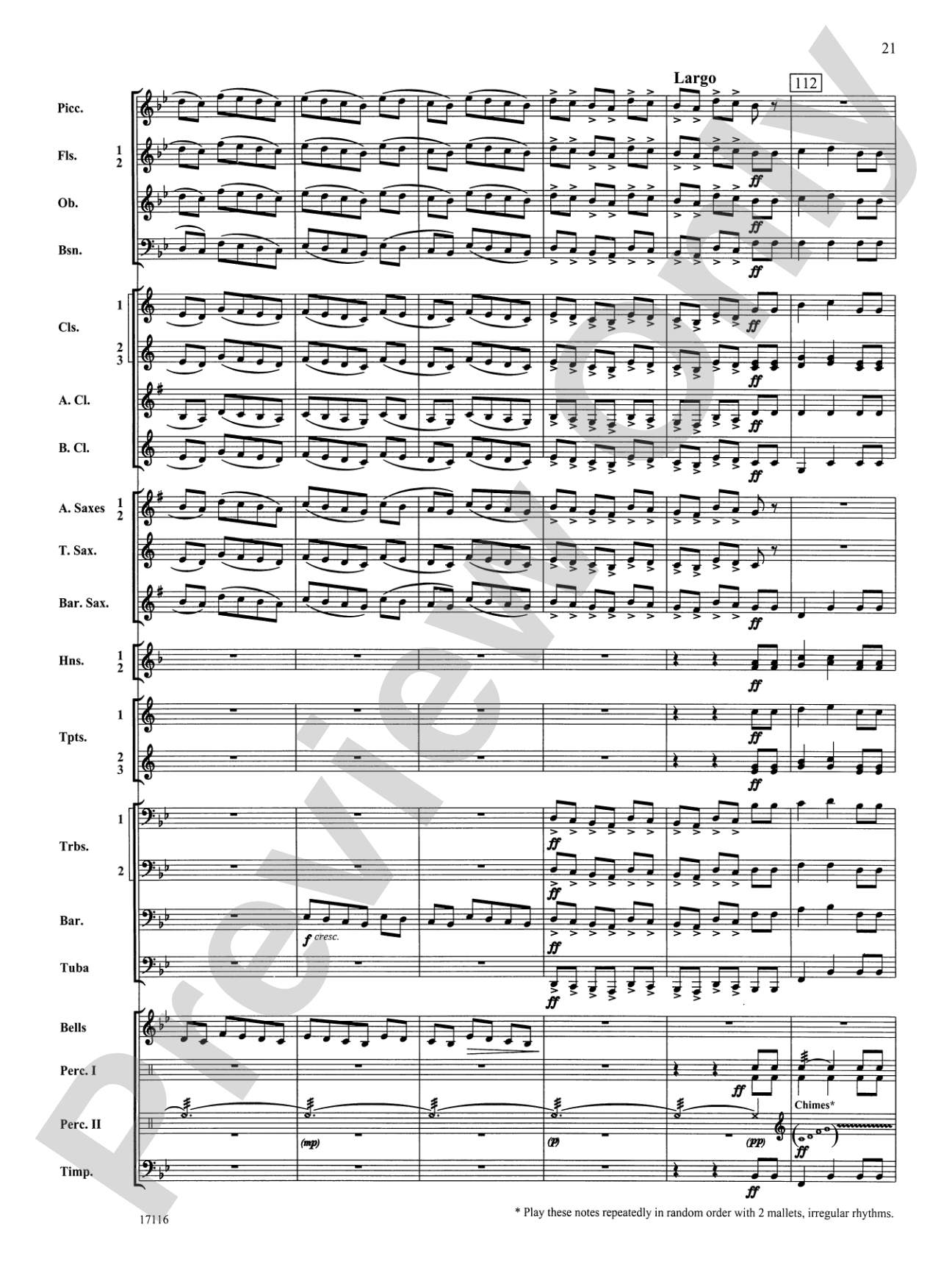
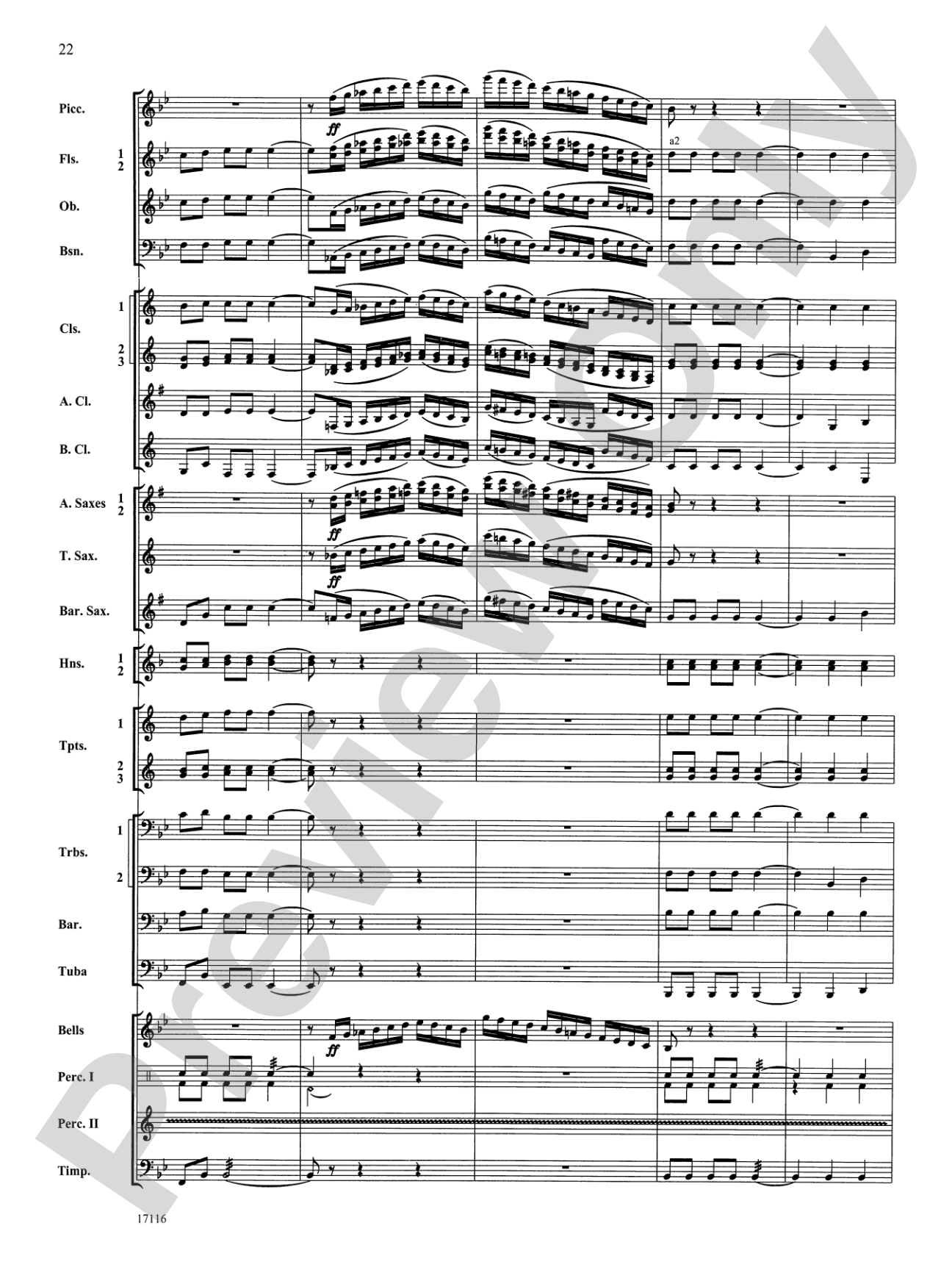
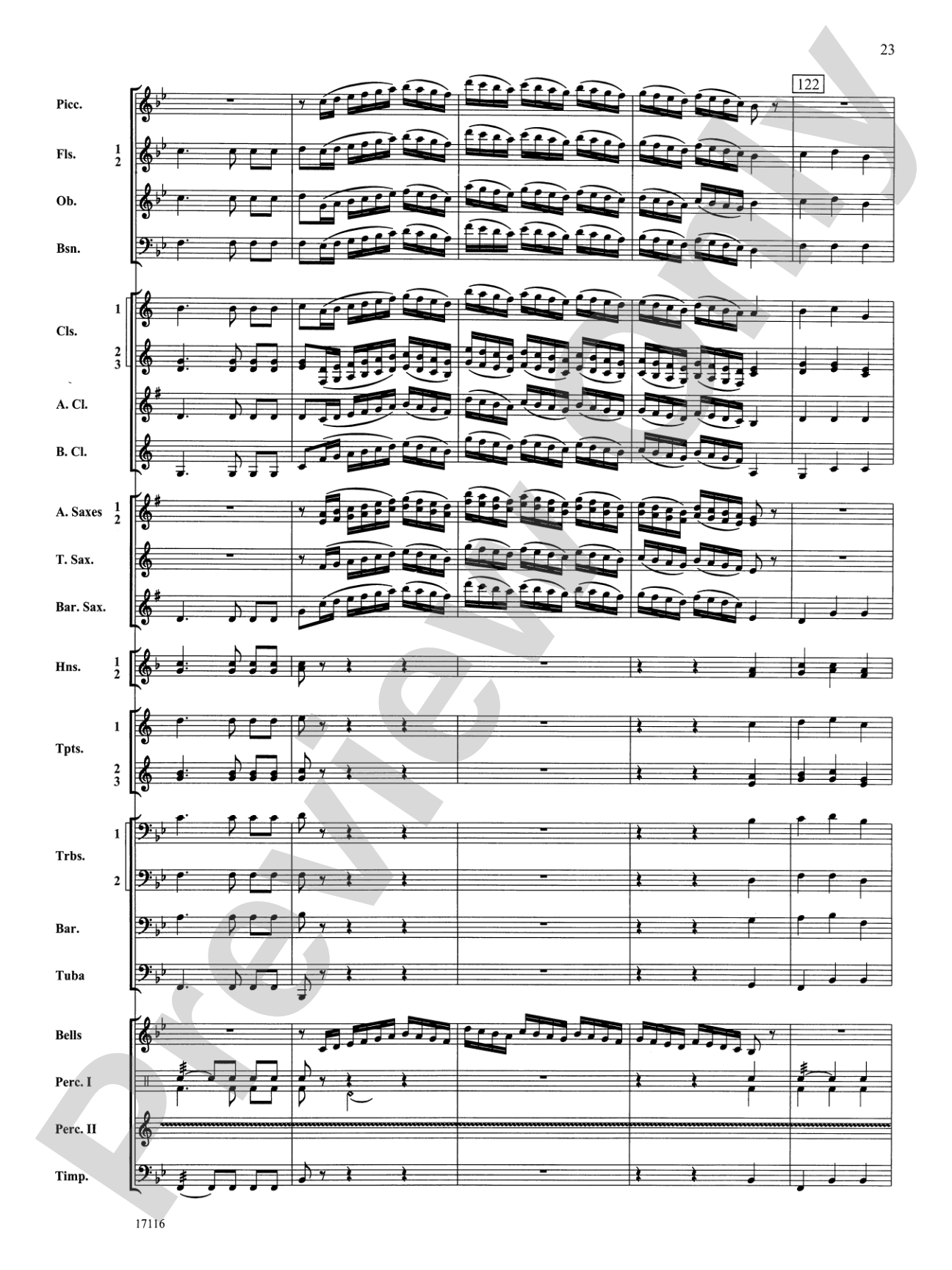
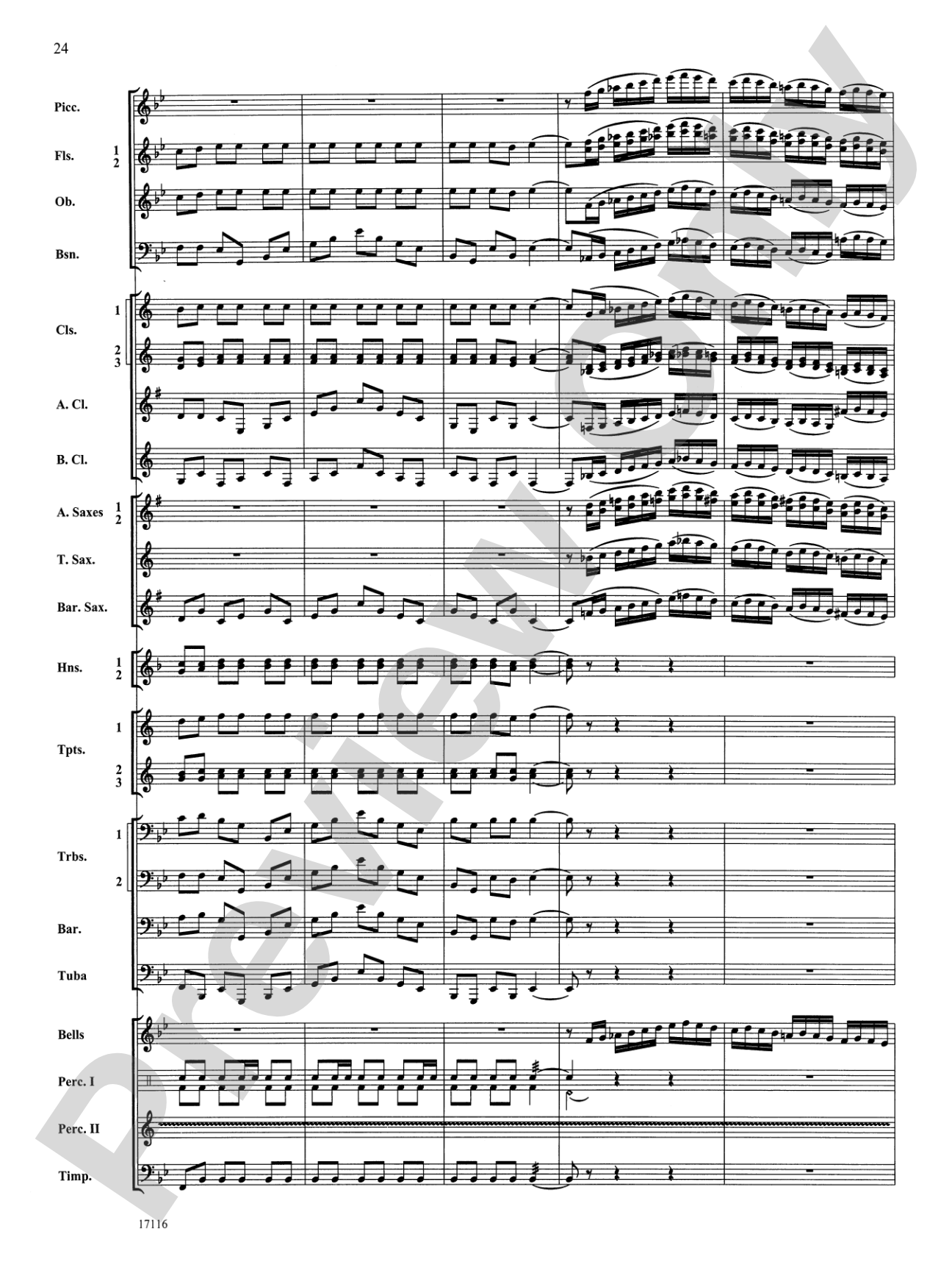
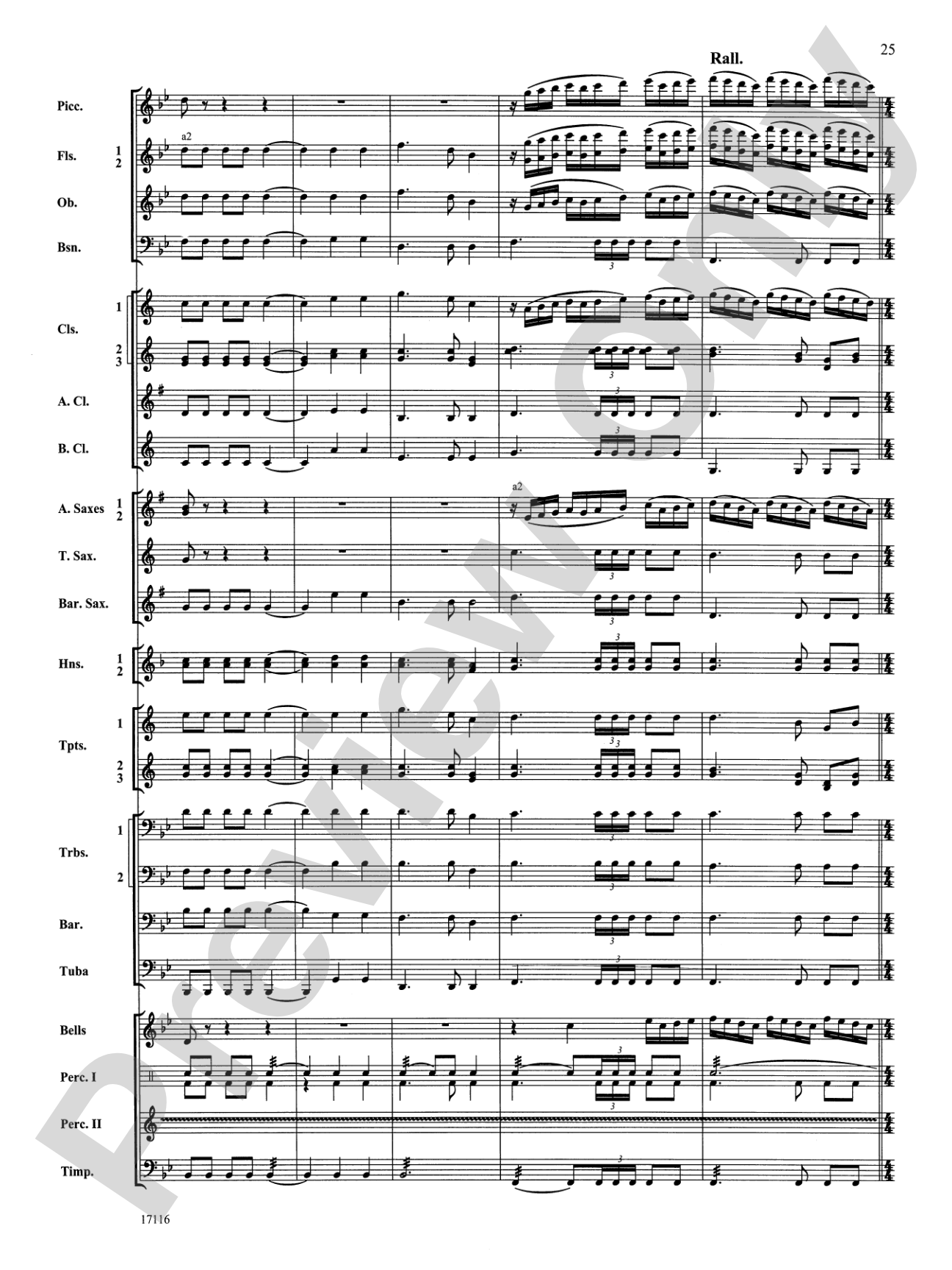
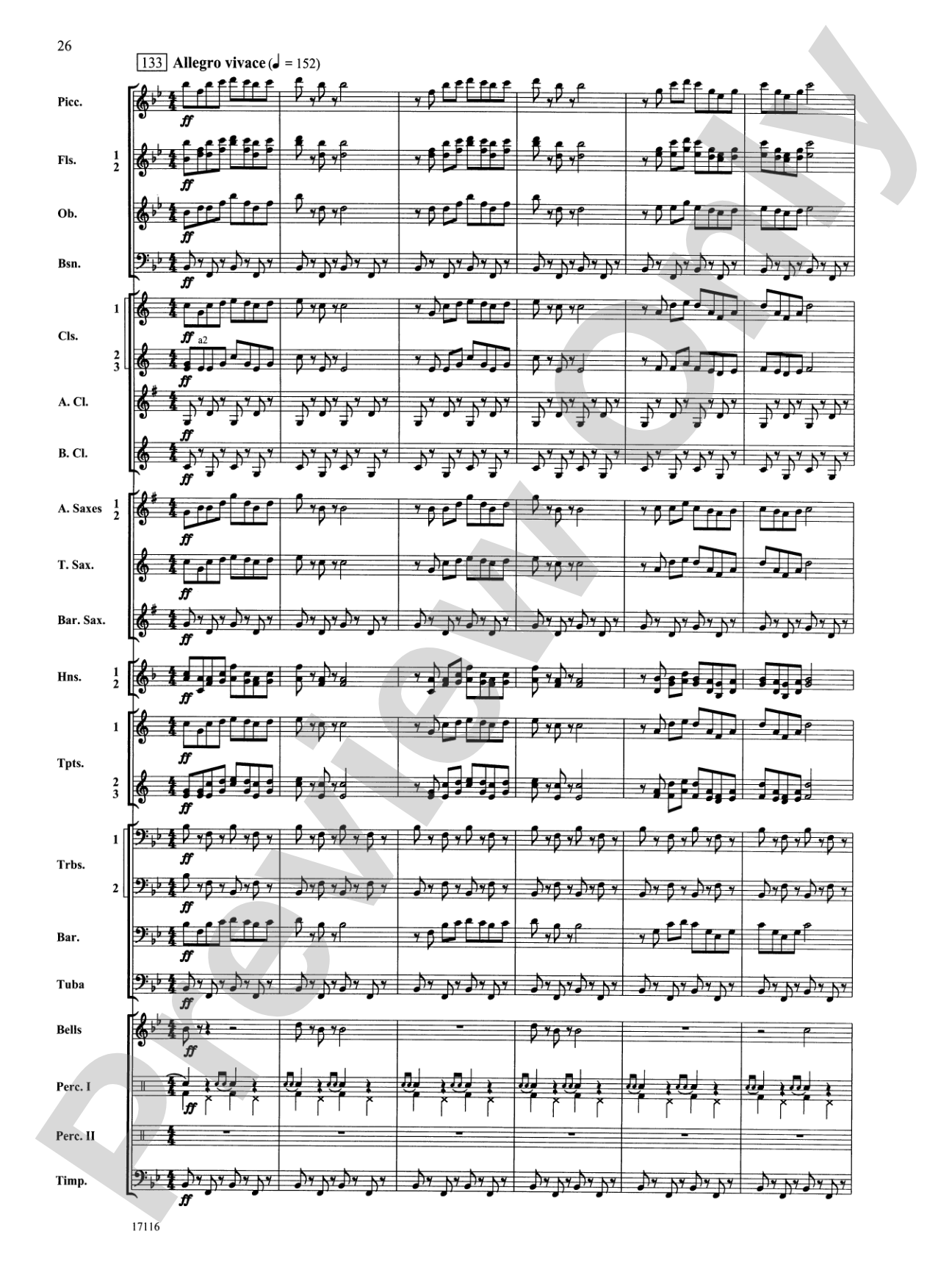
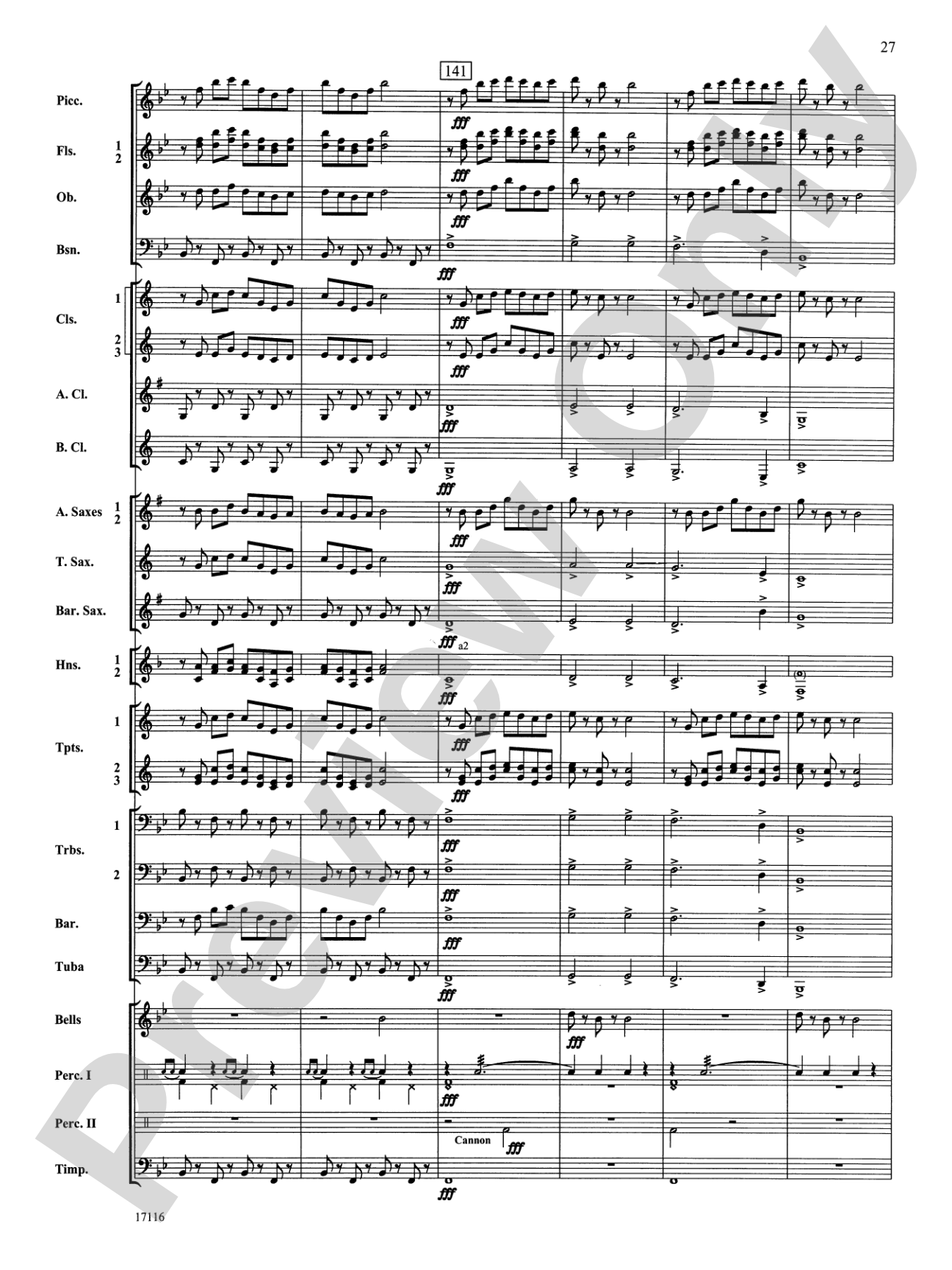
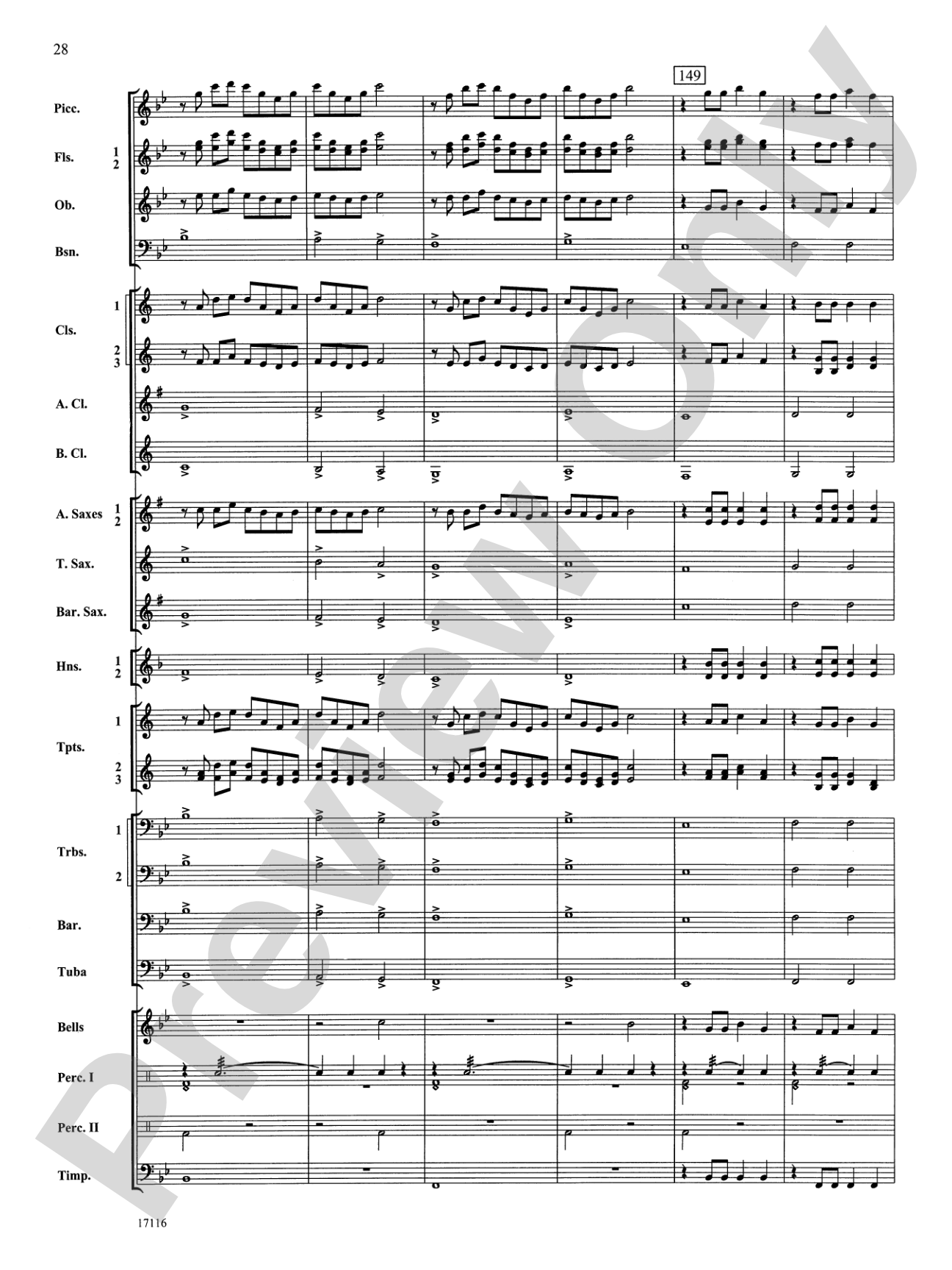
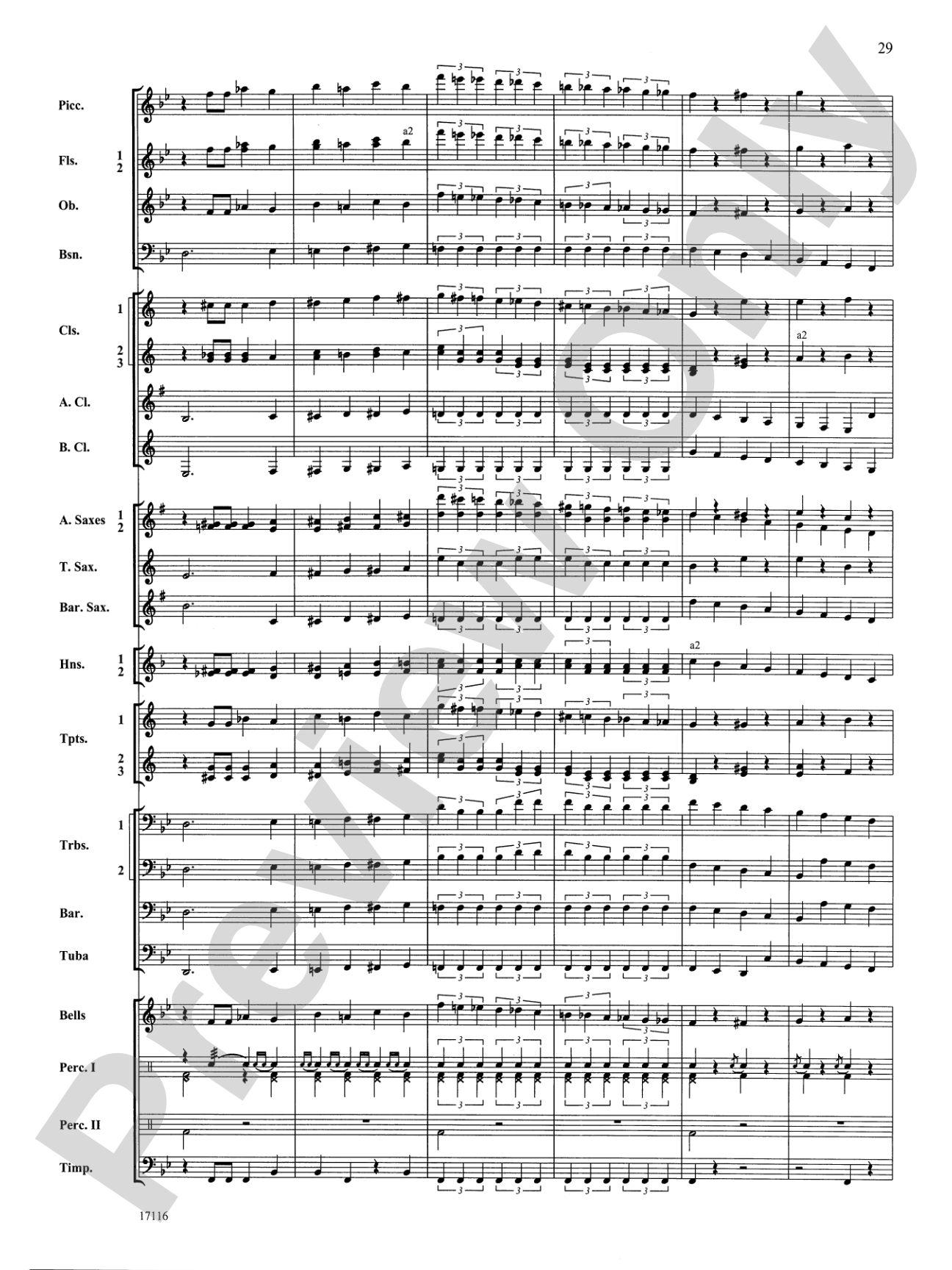
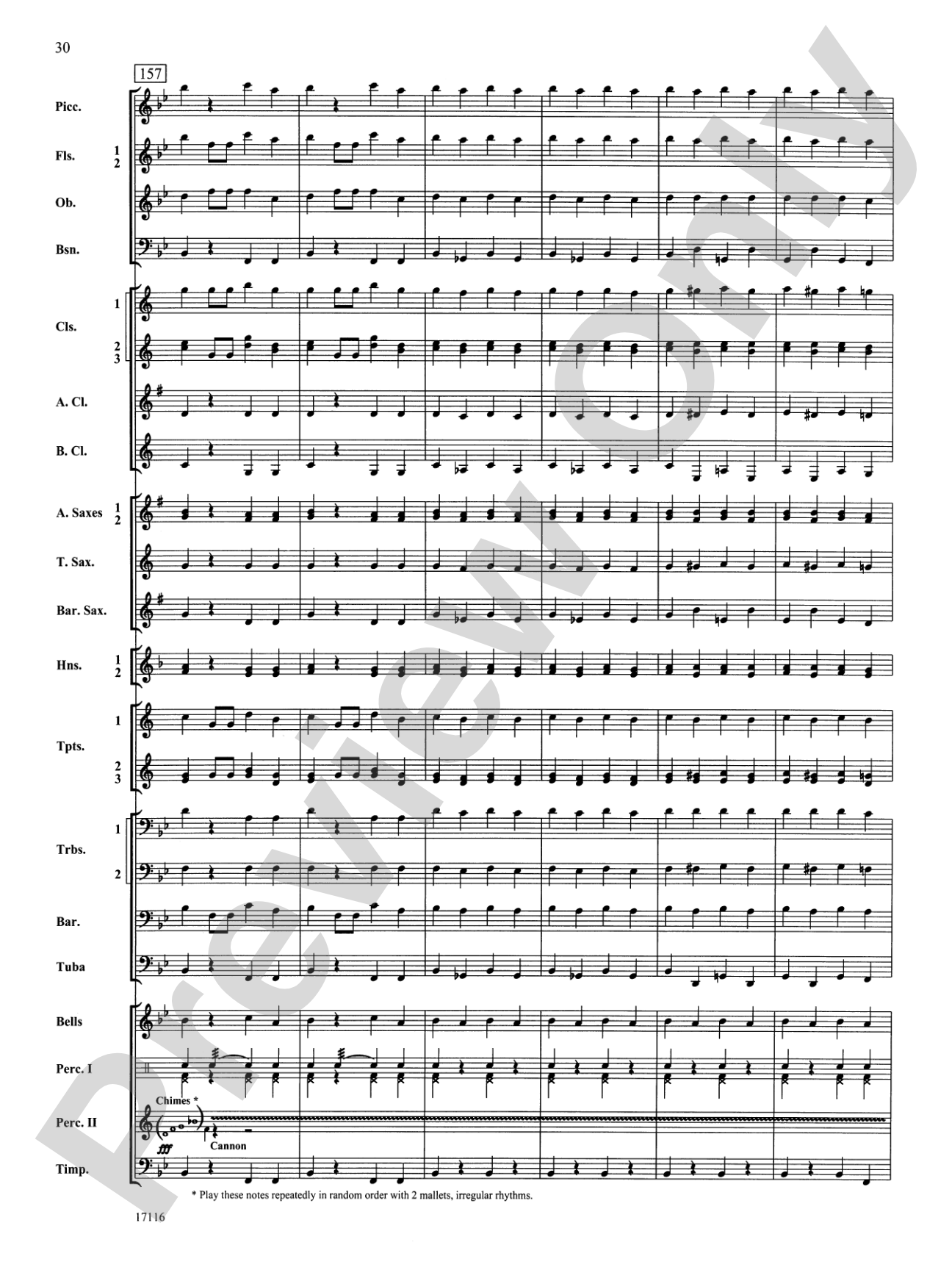
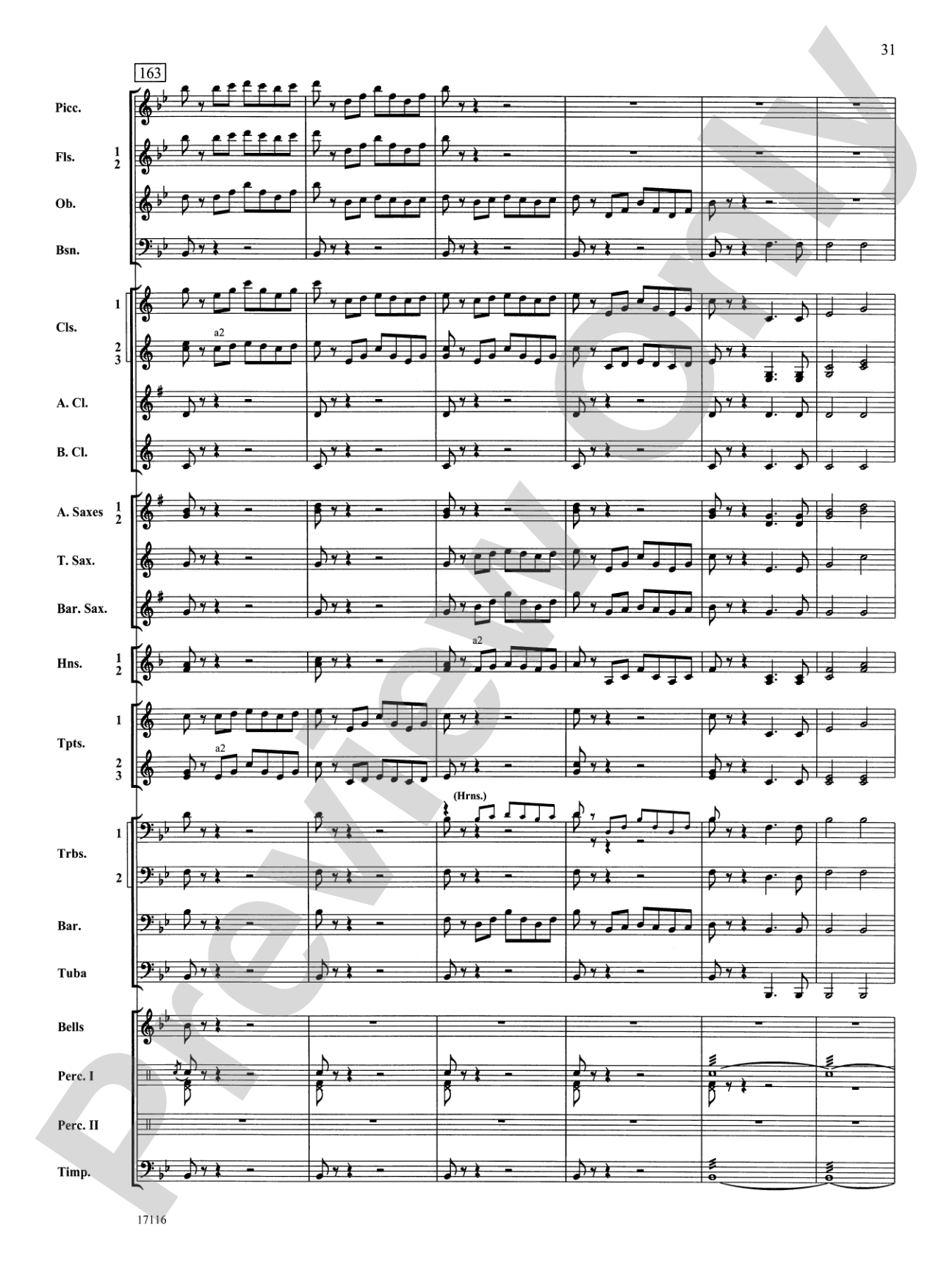
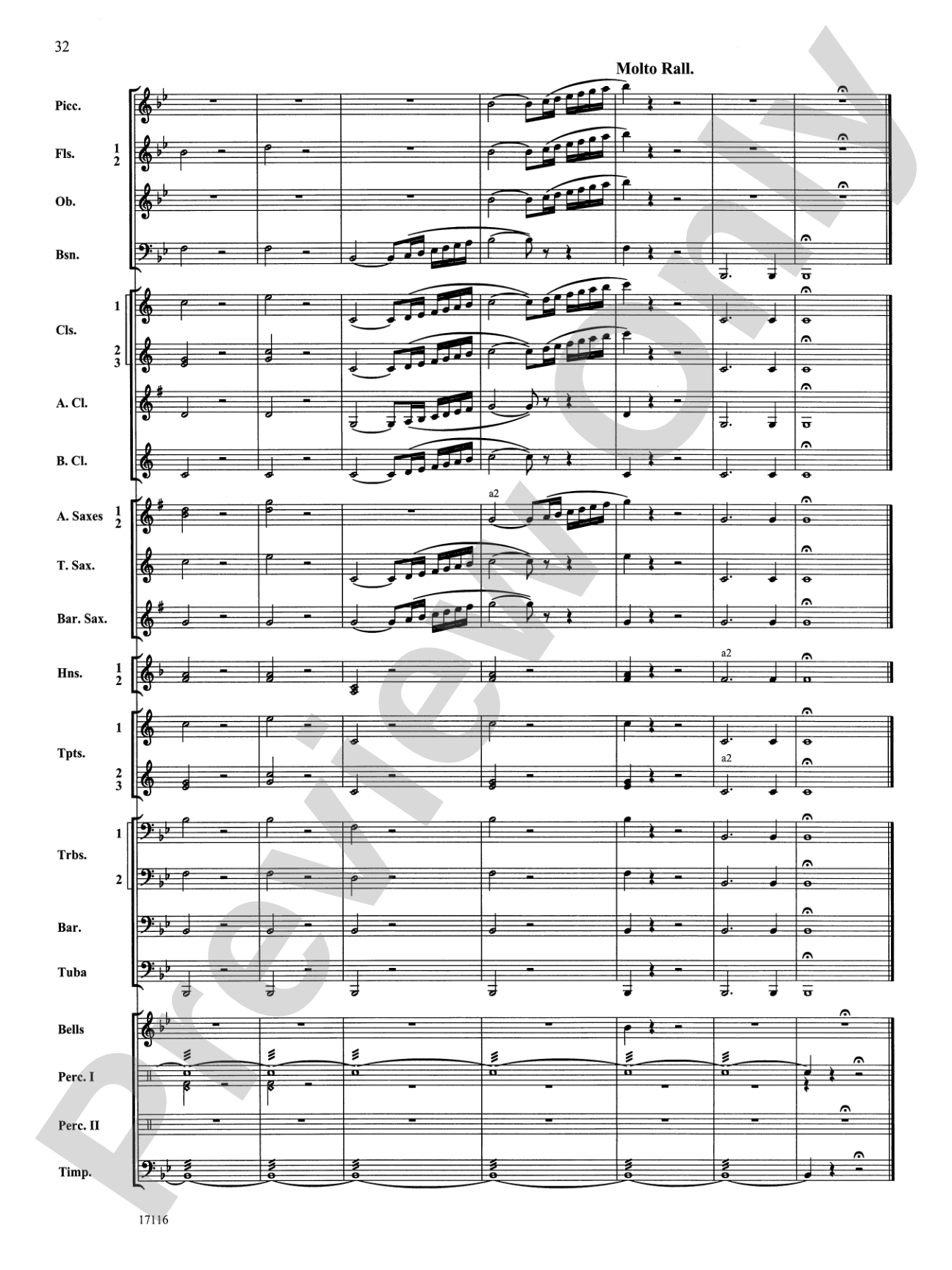

1812 Overture: Score
By Peter Ilyich Tchaikovsky / arr. Mark Williams
Grade: 3 (Medium)
Item: 00-PR-0000202
$7.00
Pickup currently not available
Description
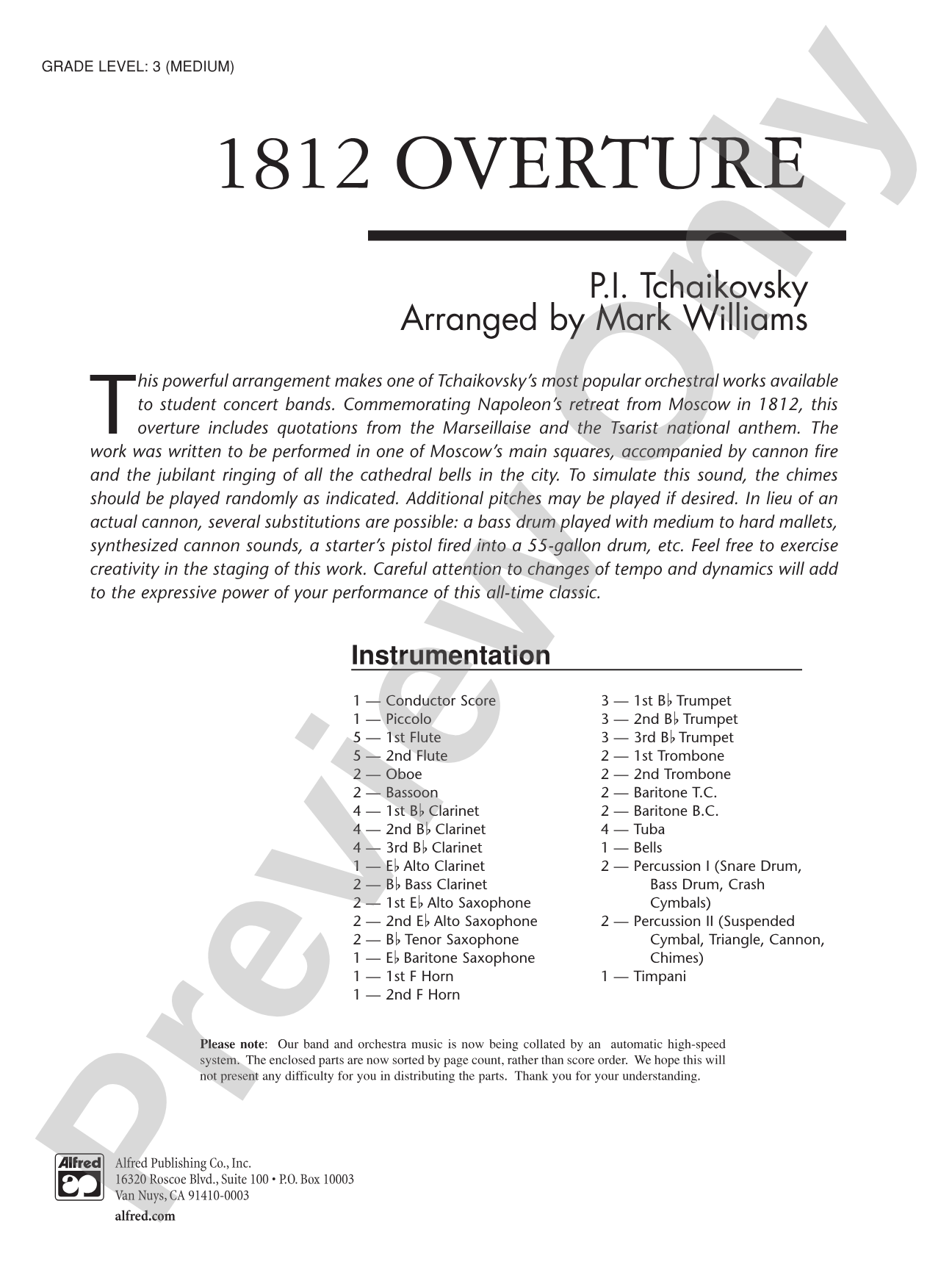
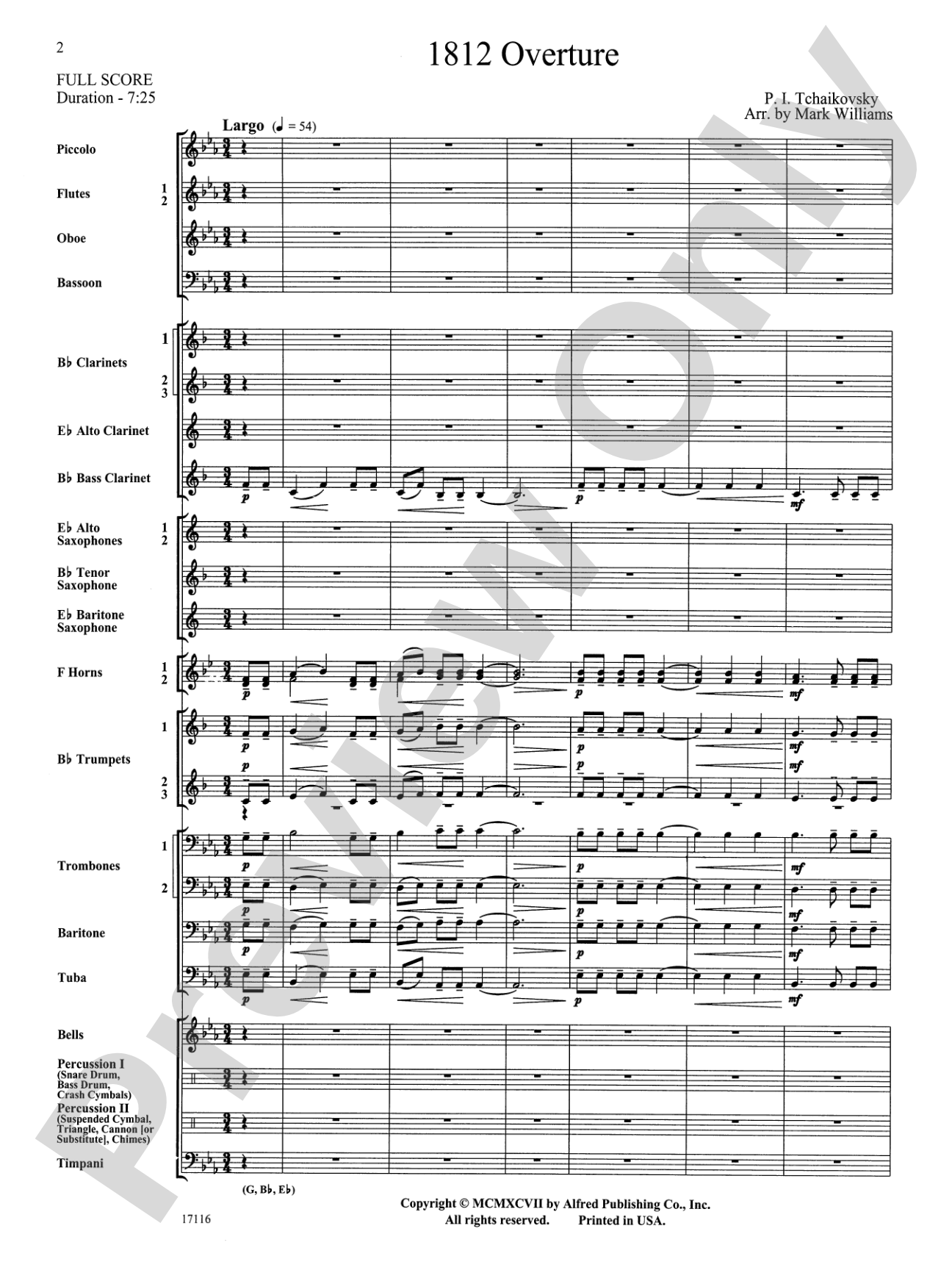
This powerful arrangement makes one of Tchaikovsky's most popular and dramatic orchestral works accessible for grade 3 concert bands. The expressive chorale that opens the work has been reworked for brass and bass clarinet, and its dramatic restatement near the end of the piece has been transposed down a perfect fourth so your trumpets will ring through right to the end. Mark Williams also offers some creative alternatives to achieve the cannon sounds. Close your next concert with this all-time classic!


Don't just read it, hear it, play along with it, and watch your students grow with it. In MakeMusic Cloud, 1812 Overture: Score comes alive with professional accompaniment, adjustable tempo, and built-in practice tools that turn solo practice into real progress.
Open in the Player
Jump straight in and assign it today.
Start Your Free Trial
Open this title and explore the full library in minutes.
Sample Audio
1
Audio File
--:--
0:00
0:00
Sample Video
Additional Details
Series:
Concert Band Series
Publisher:
Alfred Music
Page Count:
264
SKU:
00-PR-0000202
More about this title
About the Composer: Peter Ilyich Tchaikovsky
Peter Ilyich Tchaikovsky (1840-1893) was a Russian composer whose works bridged Romantic emotion and symphonic structure. His orchestral music combines sweeping melodic lines, dramatic dynamic shifts, and vivid orchestration that made him one of the most performed composers of the concert hall.
Why we love this
Mark Williams has captured the visceral drama of this masterwork while keeping the brass writing within grade 3 range. The transposition of the climactic chorale down a perfect fourth ensures your trumpet section can sustain the emotional peak without strain, and the creative solutions for the famous cannon effects give your band agency in how they realize one of classical music's most recognizable moments.
What to expect
Stately and majestic at the start, building toward explosive patriotic fervor. The chorale carries weight and ceremony; when it returns, you feel the full power of the ensemble. The work radiates confidence and triumph.
Who it's for
Grade 3 concert bands ready to tackle a significant work that delivers real musical payoff without requiring advanced technique. Directors looking to close a concert with something that engages audiences and gives students ownership of a piece they already know and love.
How to get the most out of it
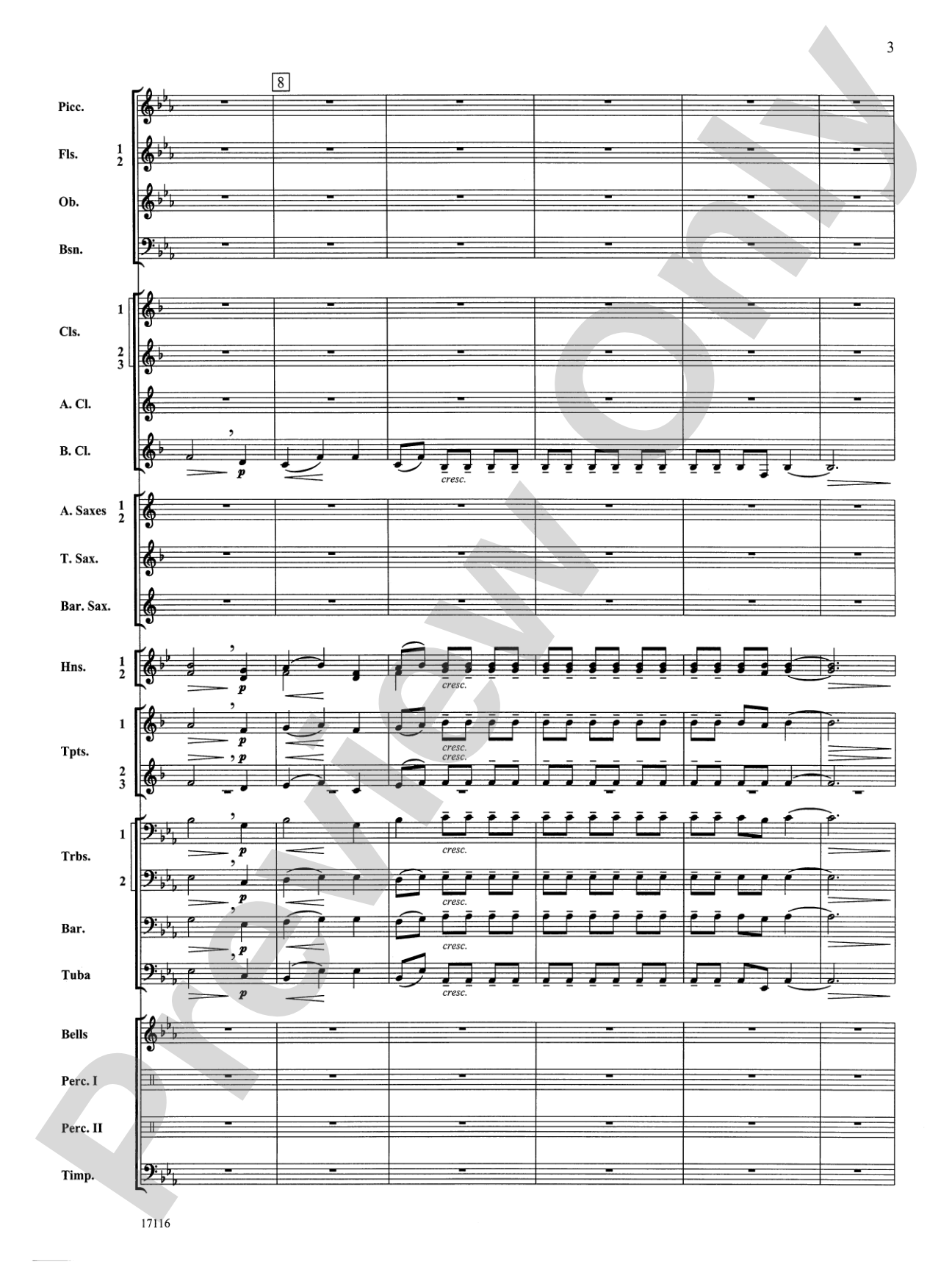
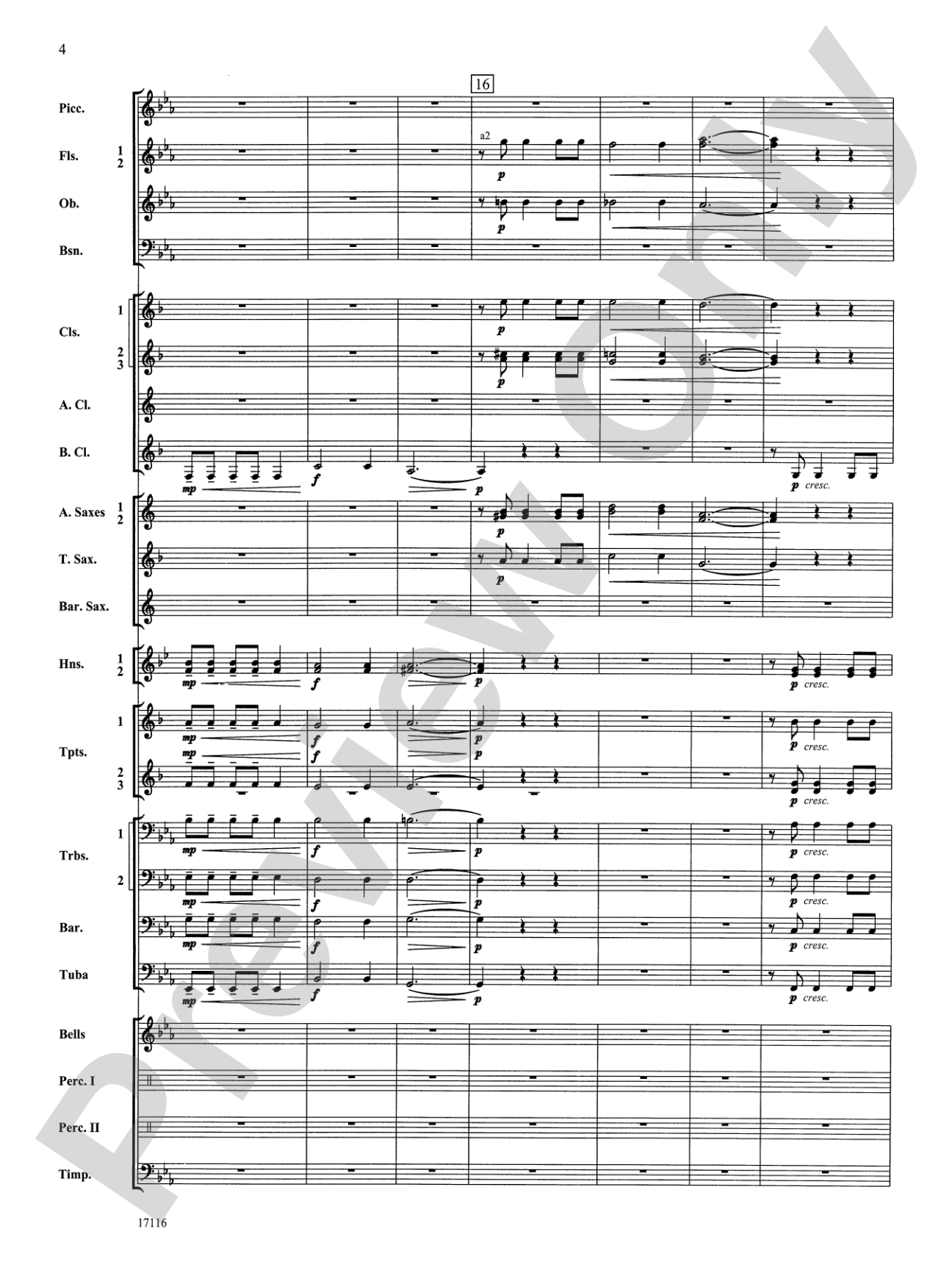
- Build the opening chorale with patient dynamic control; the restraint here makes the restatement near the end land with full force.
- Coordinate your cannon alternatives well in advance. Decide whether you'll use the suggested solutions, recorded effects, or a creative option your band devises, then rehearse the transition so it feels seamless rather than gimmicky.
- Shape the transition from the chorale into the faster material by keeping the tempo steady; let the character change drive the energy rather than rushing.
How to use it
Program this as a concert closer when you want a send-off that leaves audiences on their feet. It works equally well as a festival selection where the arrangement's clarity and accessibility help judges hear your ensemble's musicianship without getting lost in the orchestration.
Skills your students will build
- Sustaining lyrical lines with consistent breath support and intonation
- Dynamic contrast within a single phrase and across large sections
- Precision in ensemble coordination when reintroducing familiar material
- Balancing inner voices with outer melody in a reworked orchestration
- Managing tempo stability during transitions between contrasting sections