
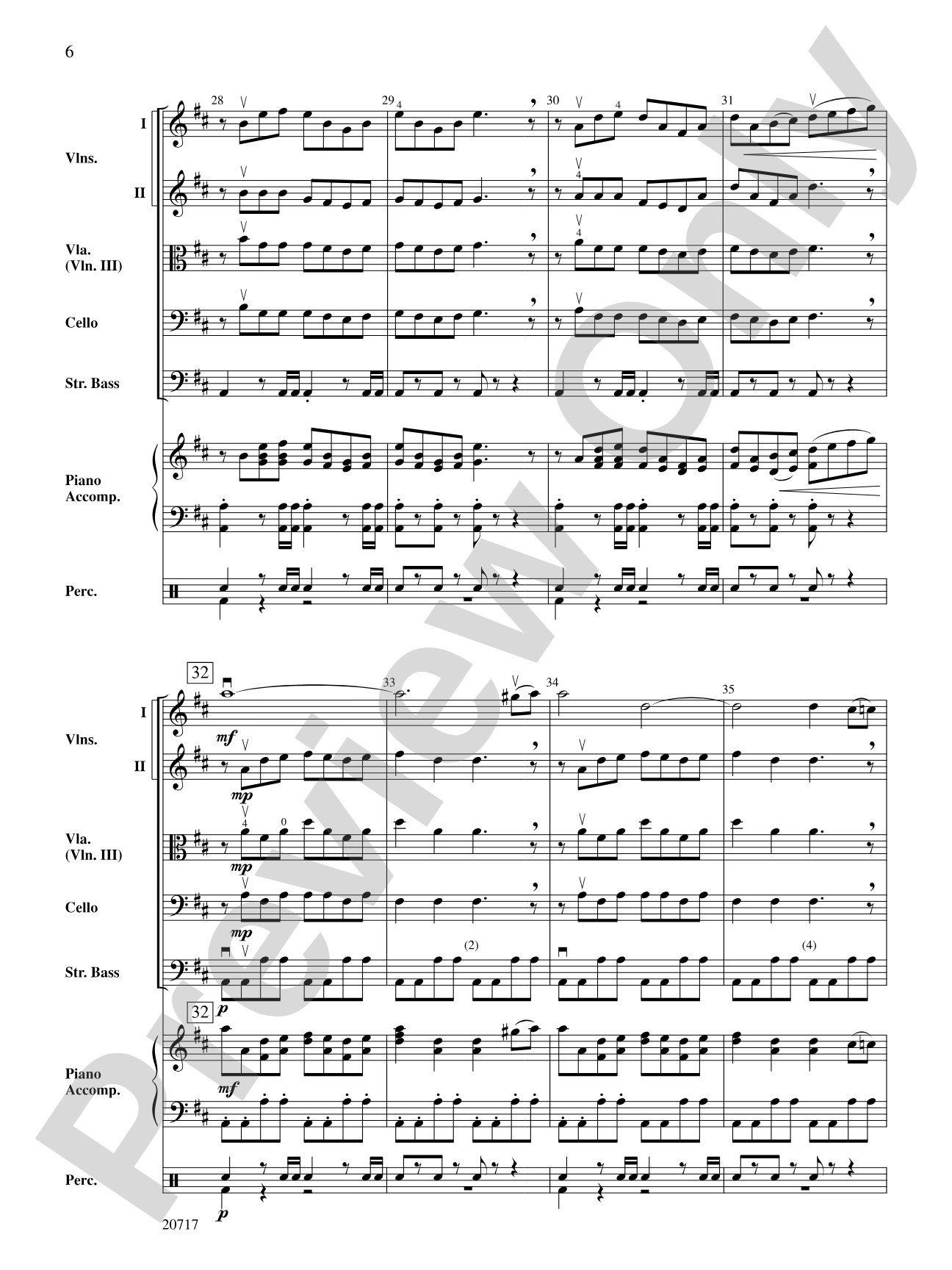
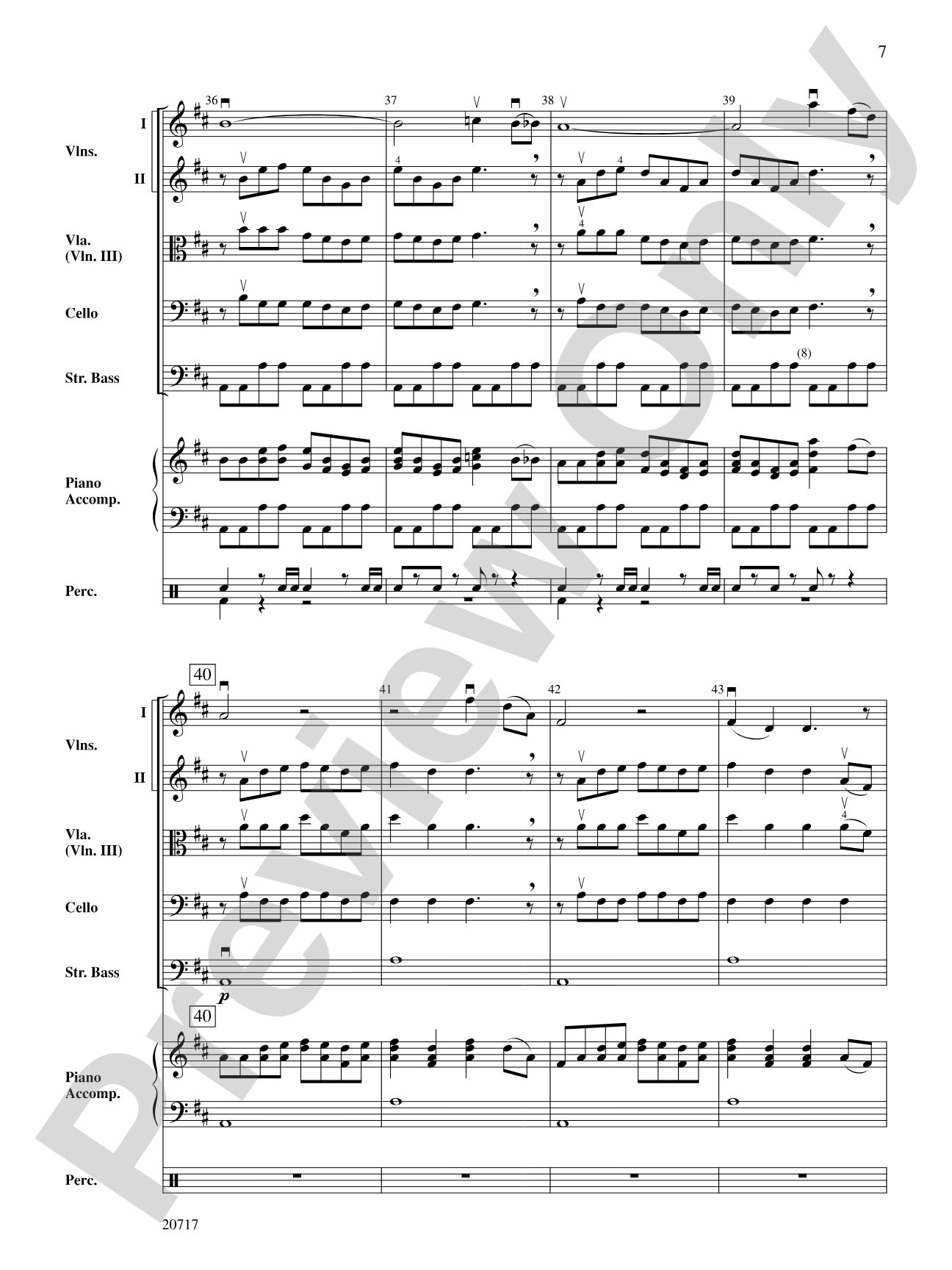
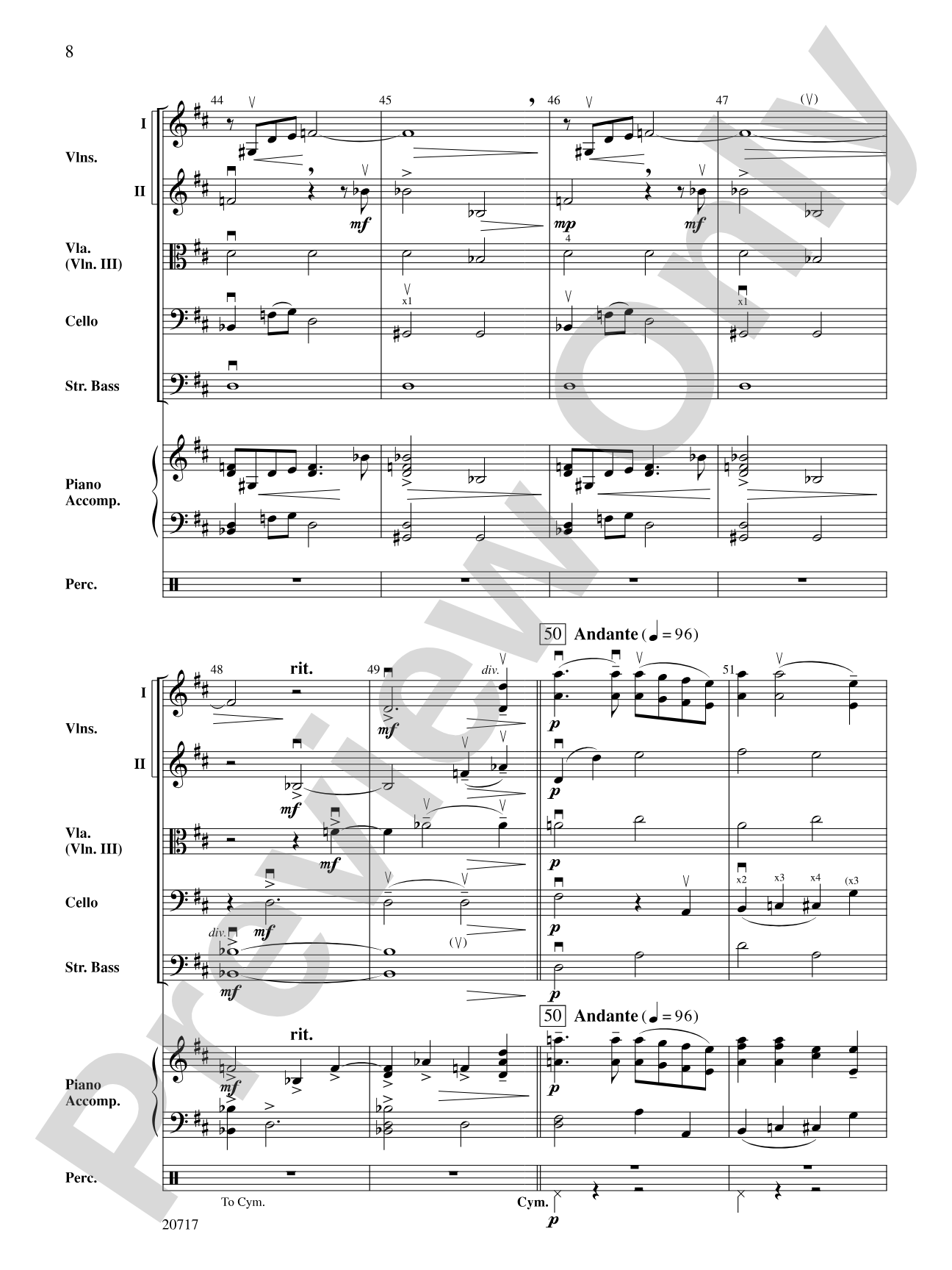
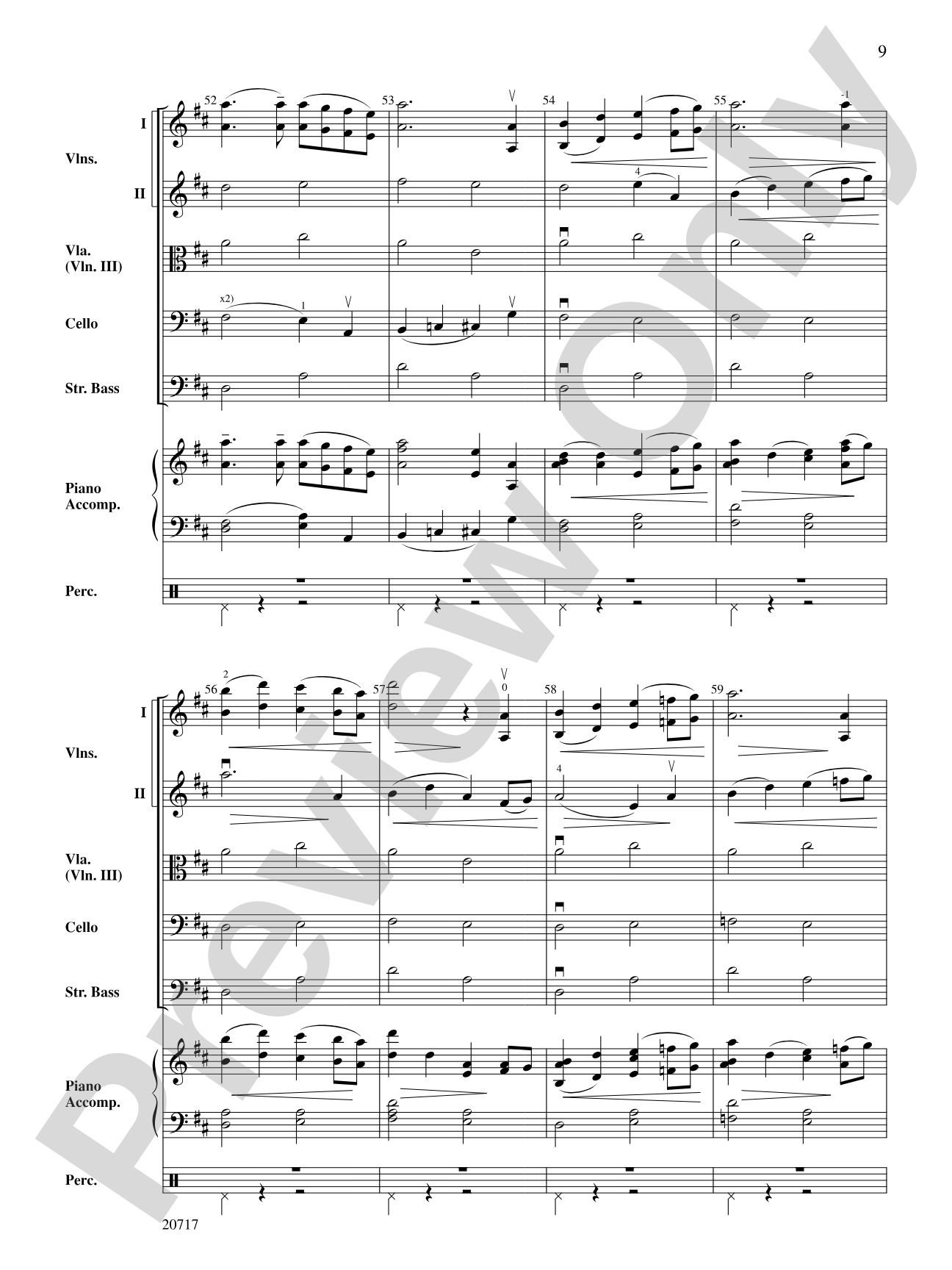
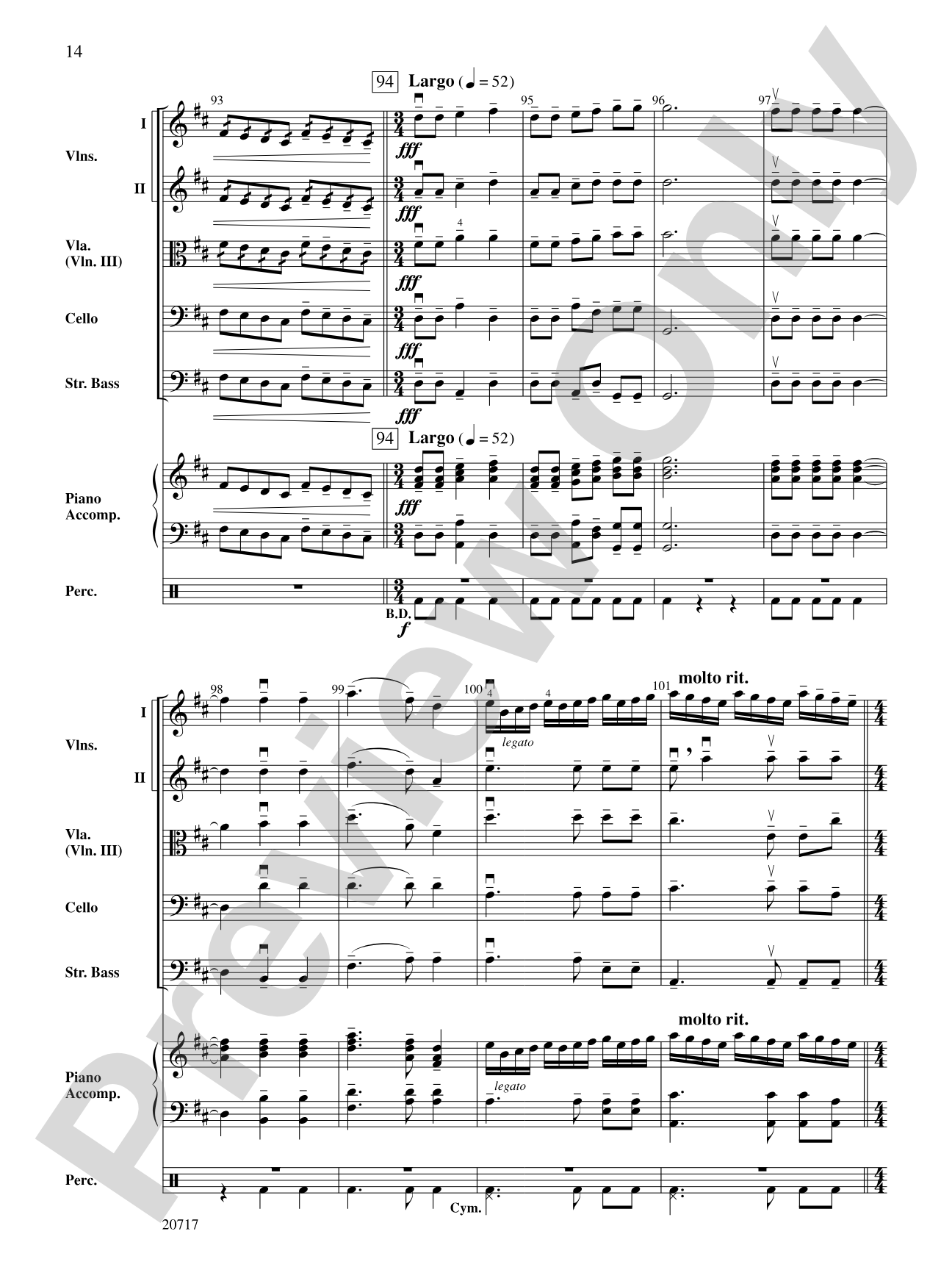
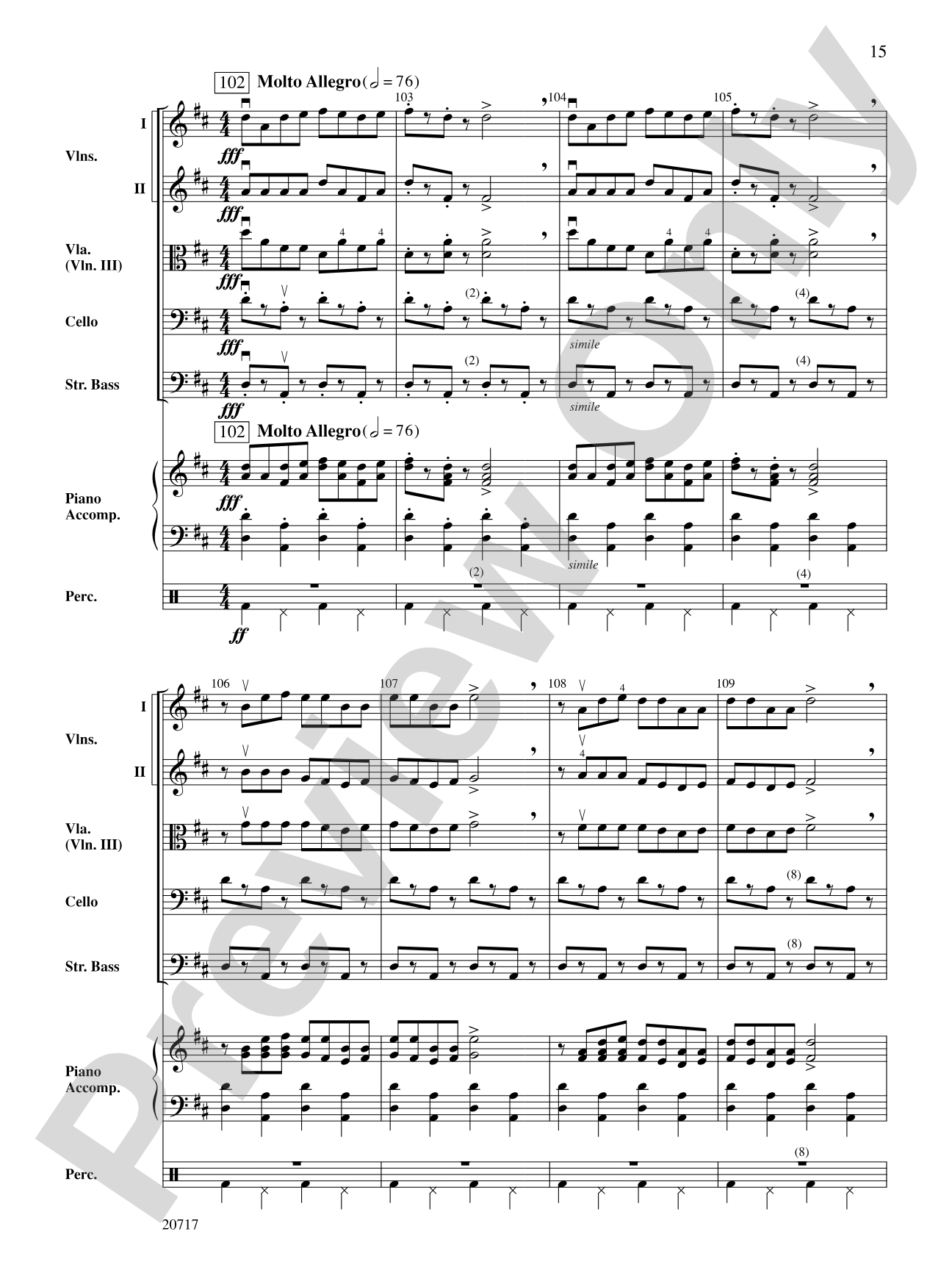
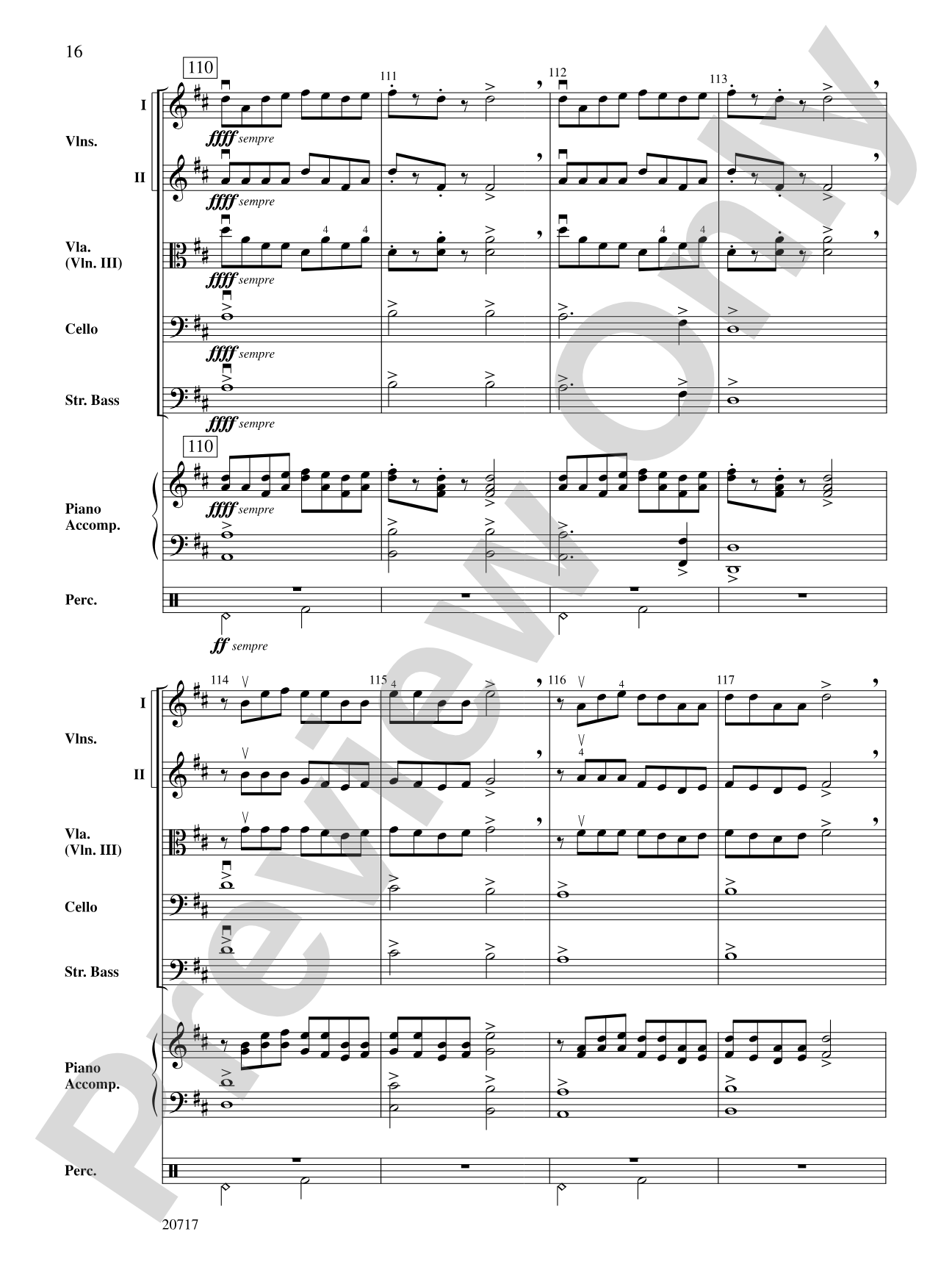
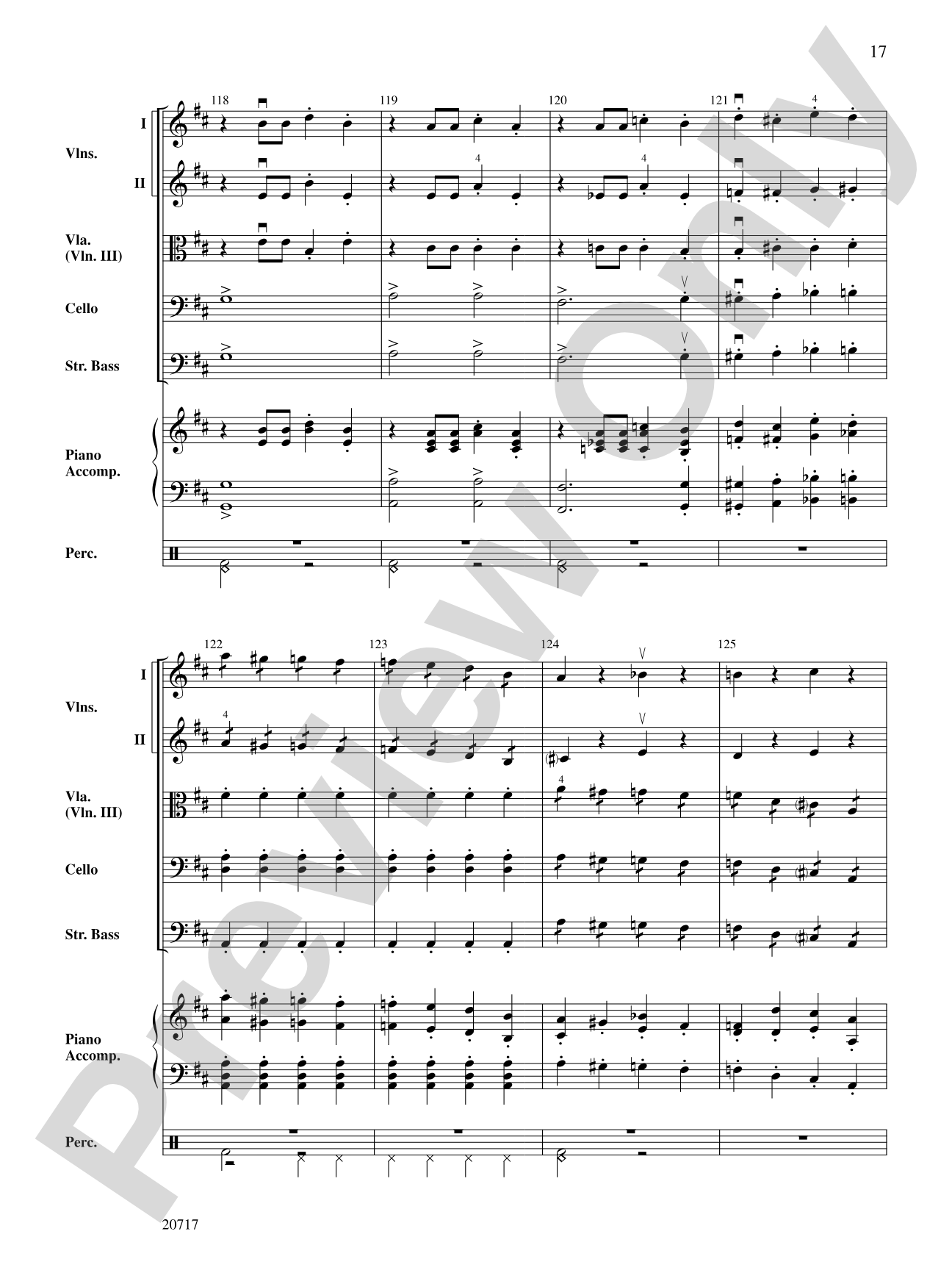
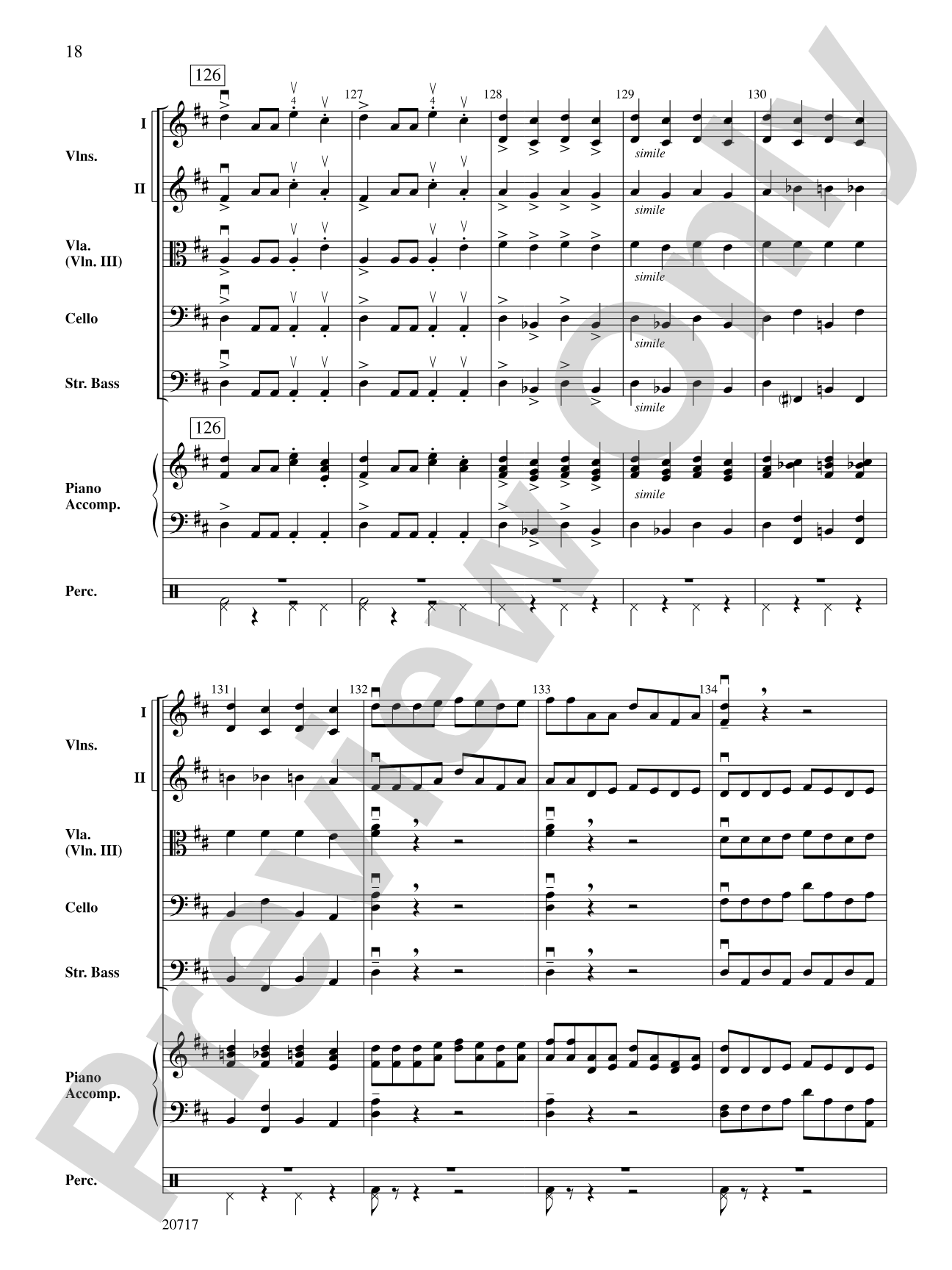
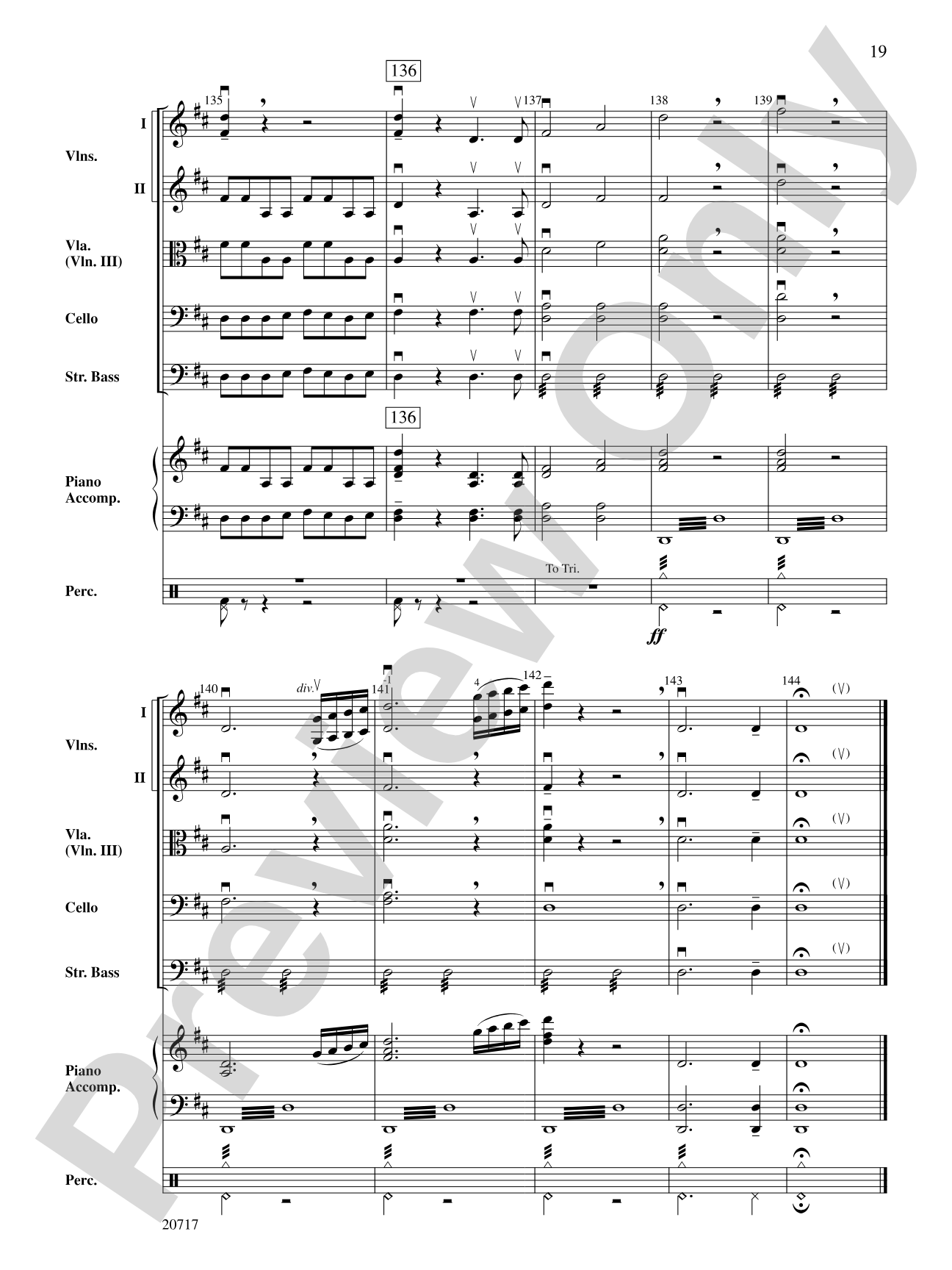

1812 Overture: String Orchestra Conductor Score & Parts
By Peter Ilyich Tchaikovsky / arr. Andrew H. Dabczynski
Grade: 2.5
Item: 00-PK-0000457

$52.00
Pickup currently not available
Buy Extra Parts (Digital PDF Download)
| Product | Price | Quantity |
|---|---|---|
| 1812 Overture: Score | $6.00 | |
| 1812 Overture: String Bass | $5.99 | |
| 1812 Overture: Cello | $5.99 | |
| 1812 Overture: Viola | $5.99 | |
| 1812 Overture: 3rd Violin (Viola [TC]) | $5.99 | |
| 1812 Overture: 2nd Violin | $5.99 | |
| 1812 Overture: 1st Violin | $5.99 | |
| 1812 Overture: 1st Percussion | $5.99 | |
| 1812 Overture: Piano Accompaniment | $5.99 |
Parts Added to Cart!
Description
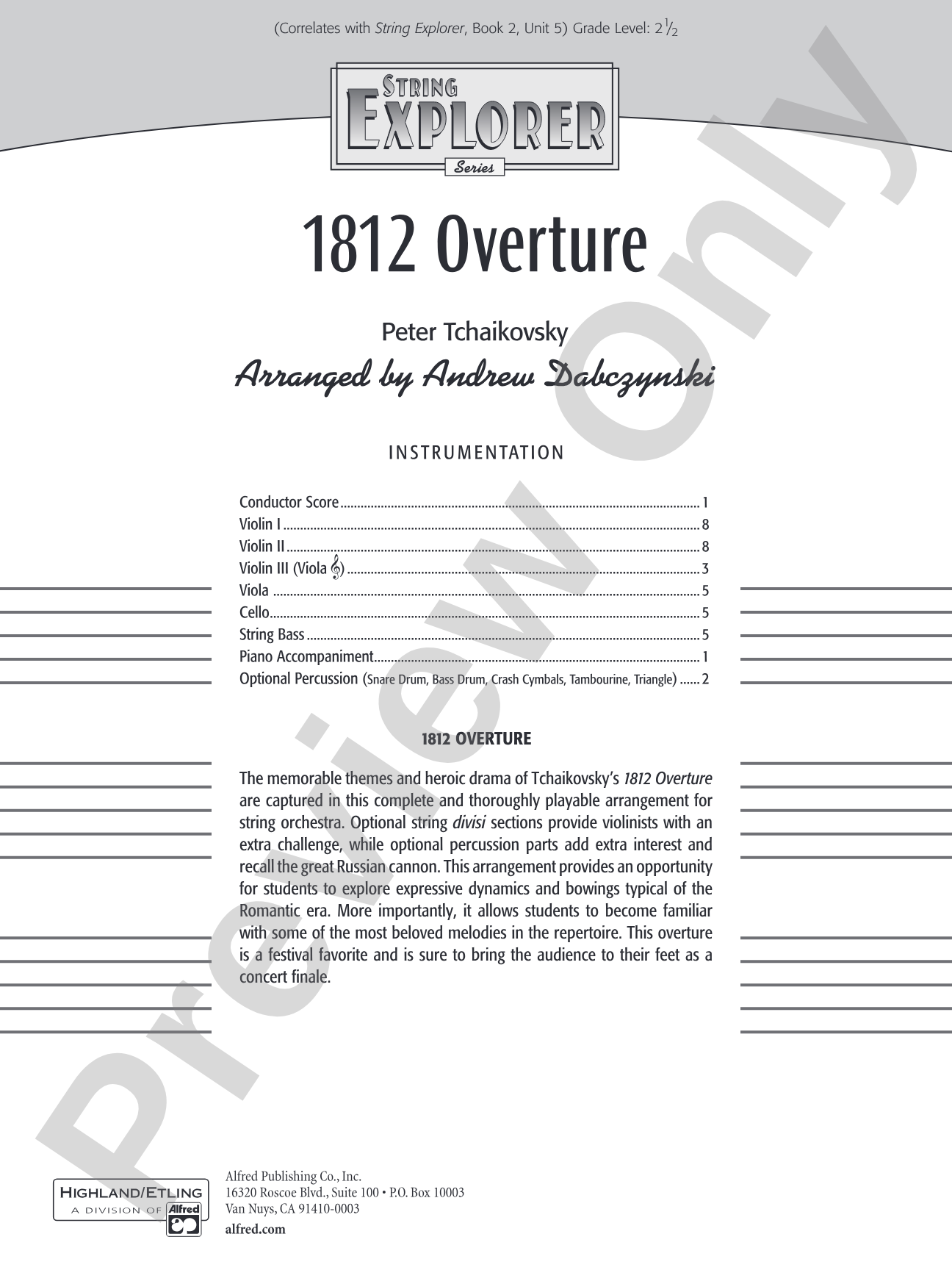
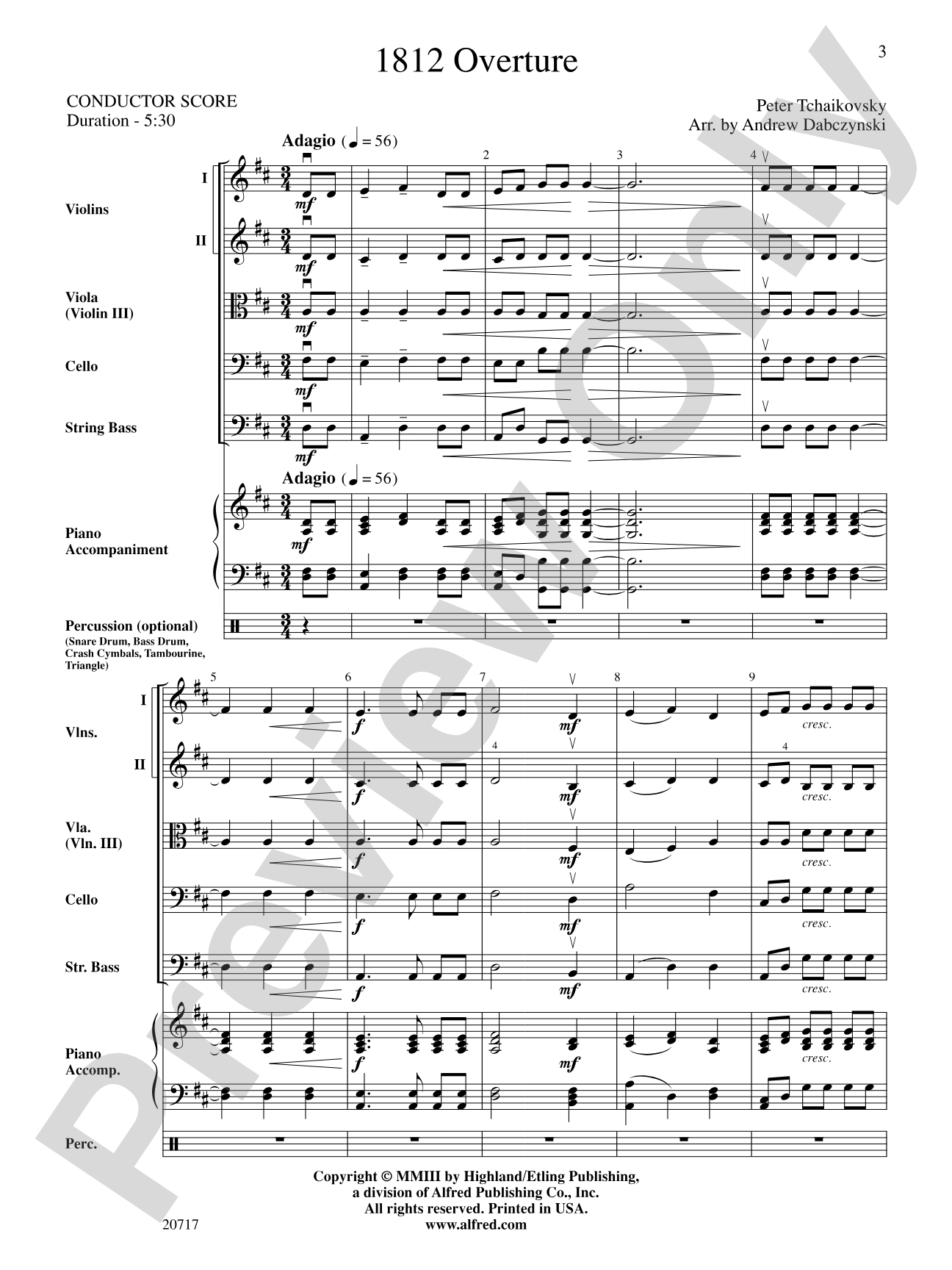
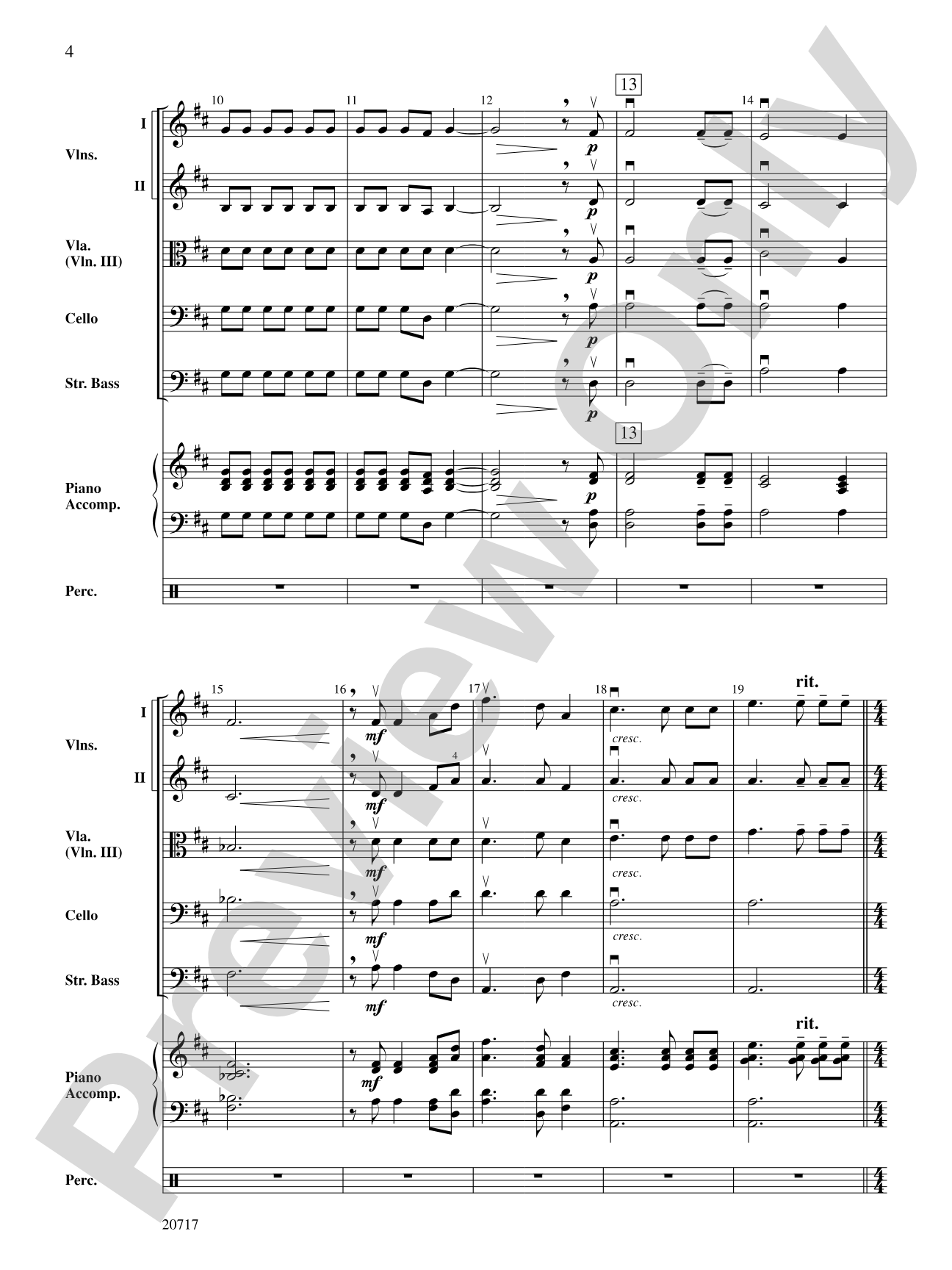
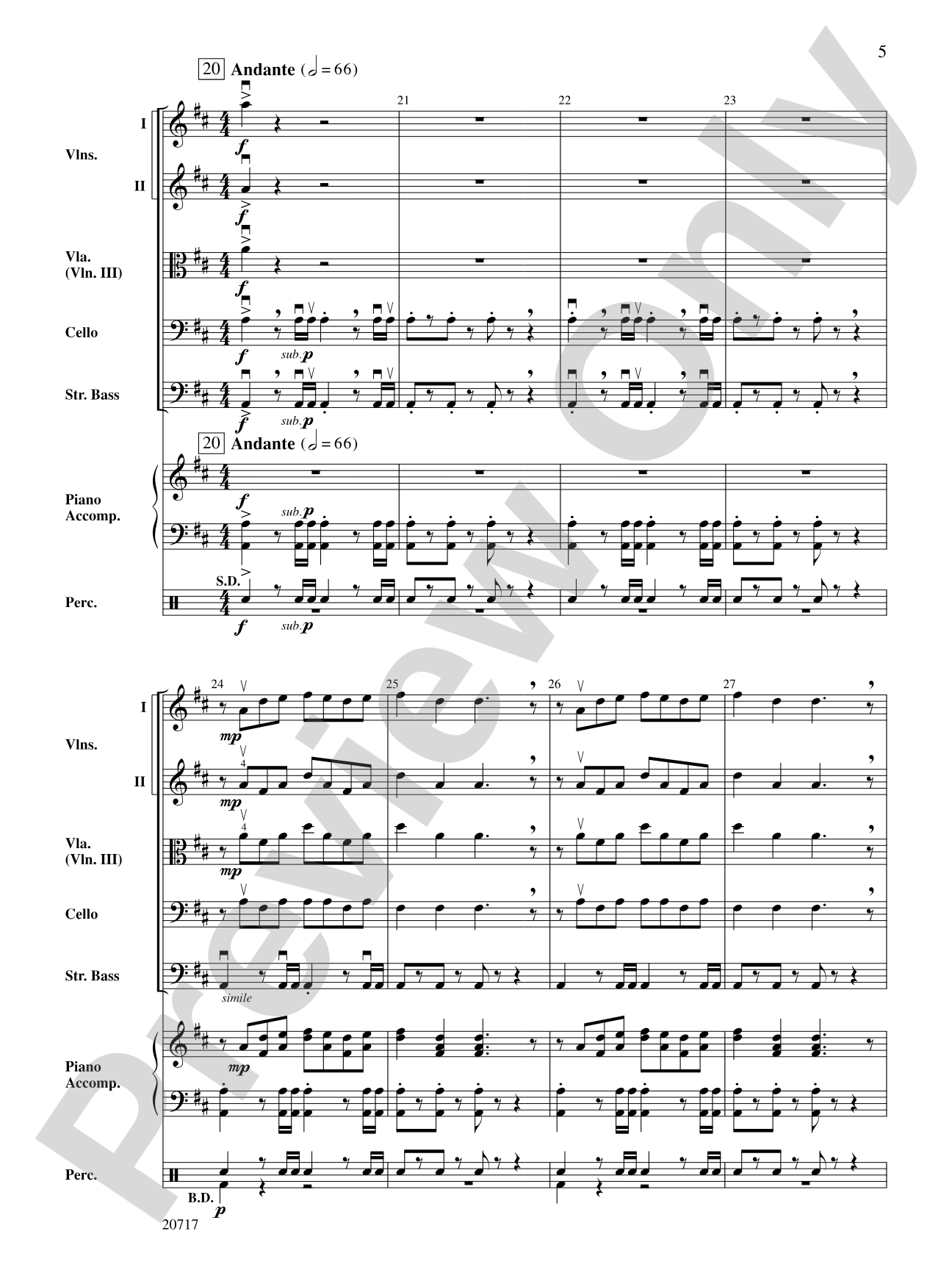
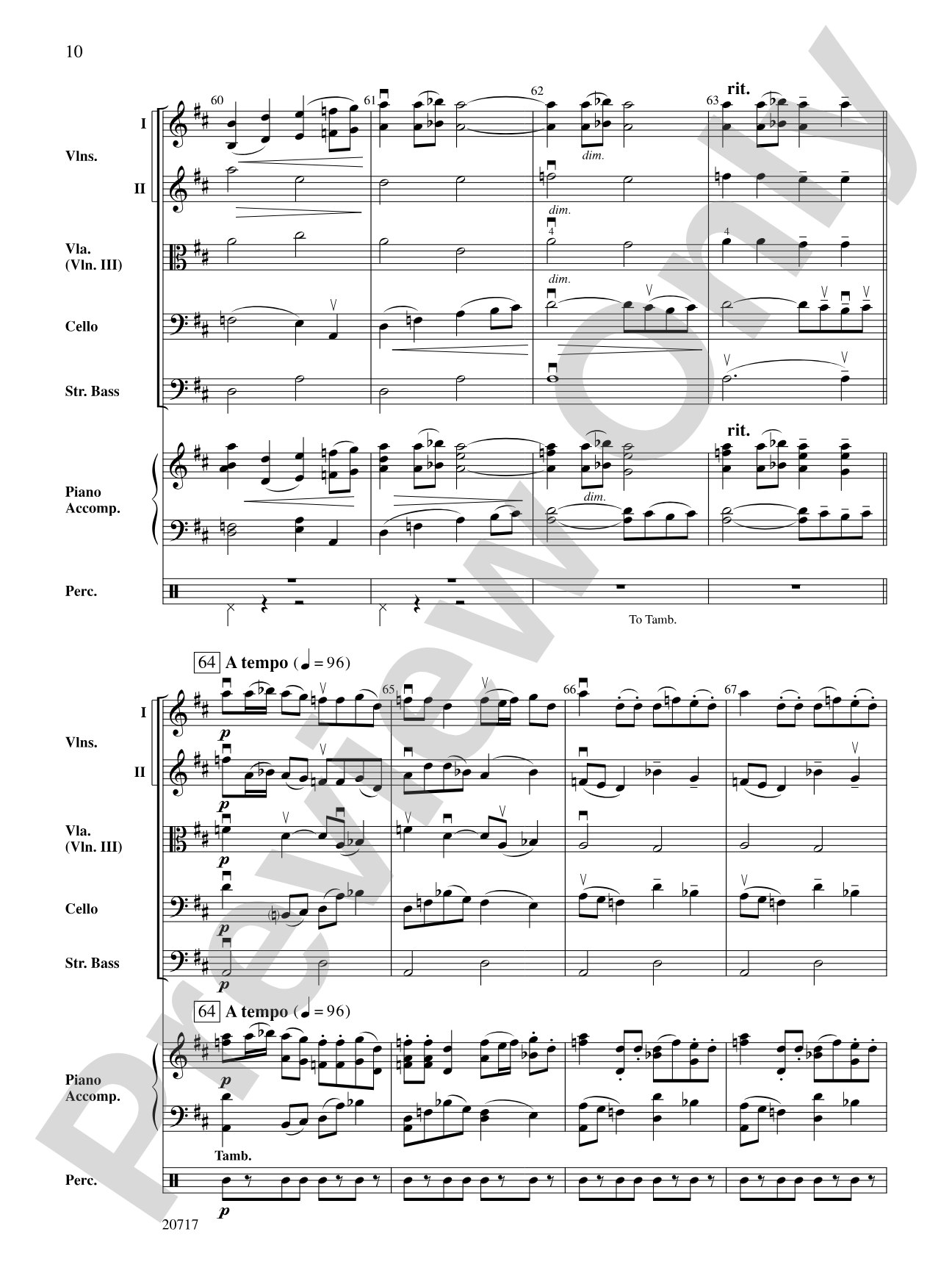
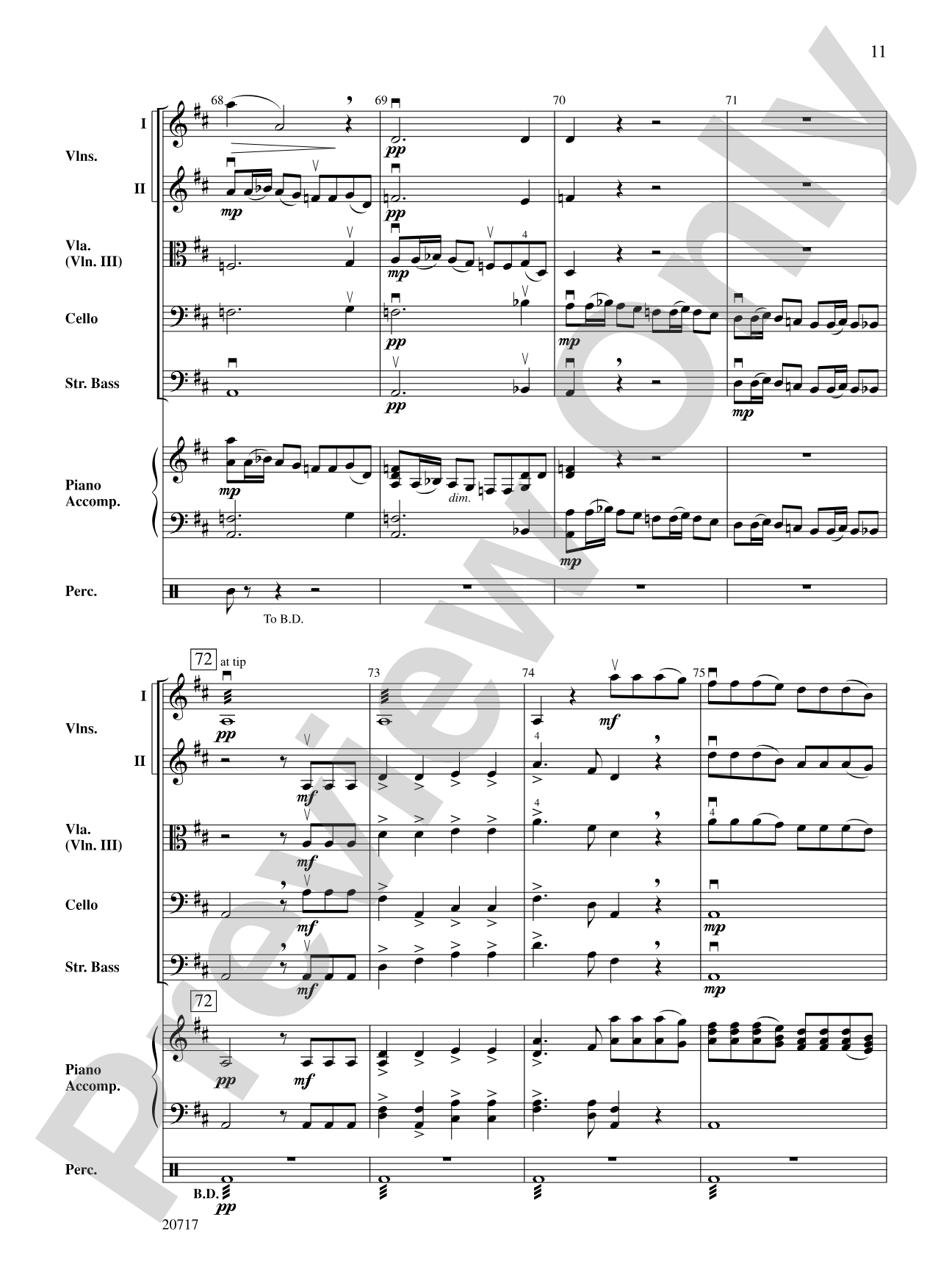
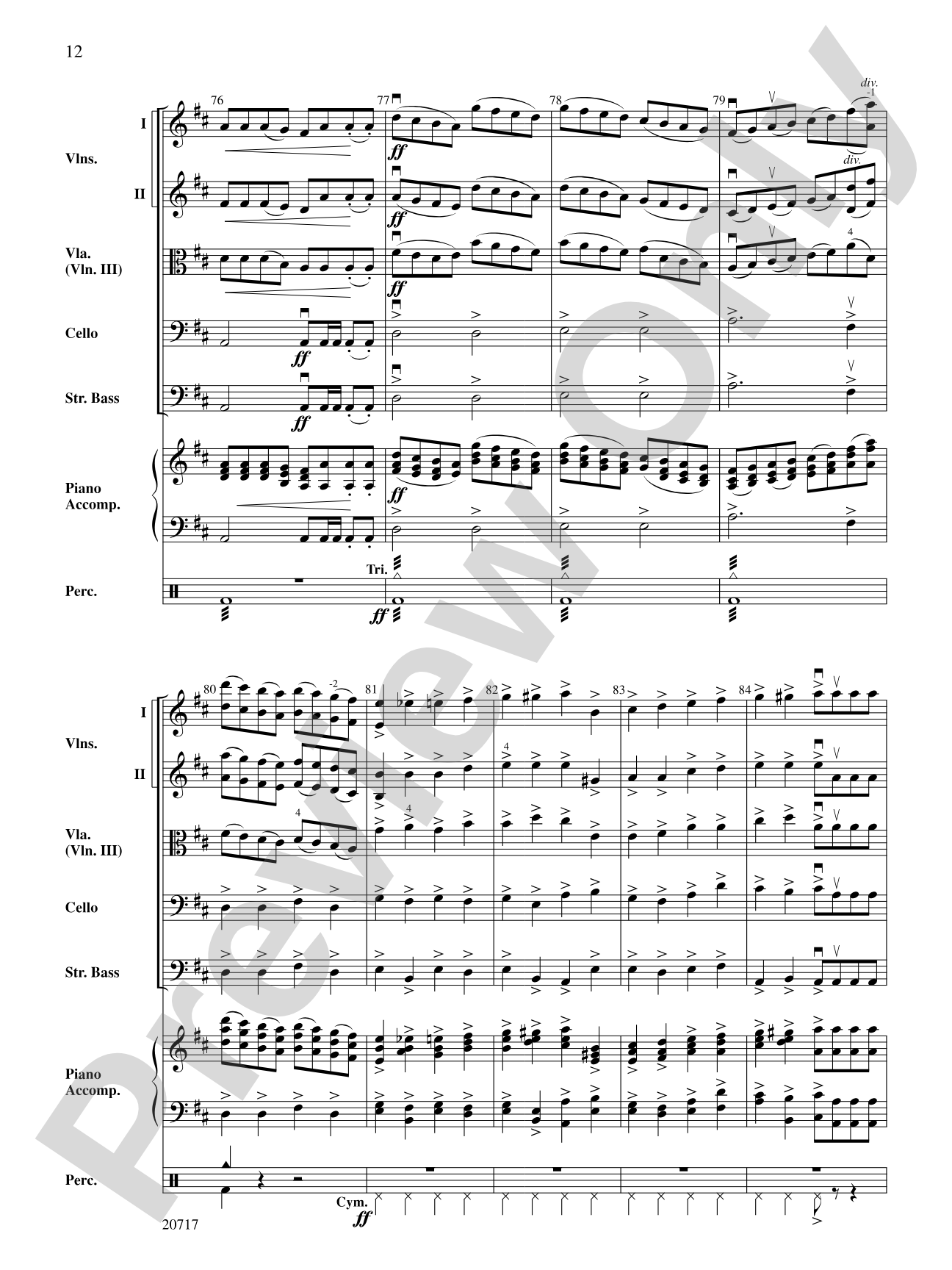
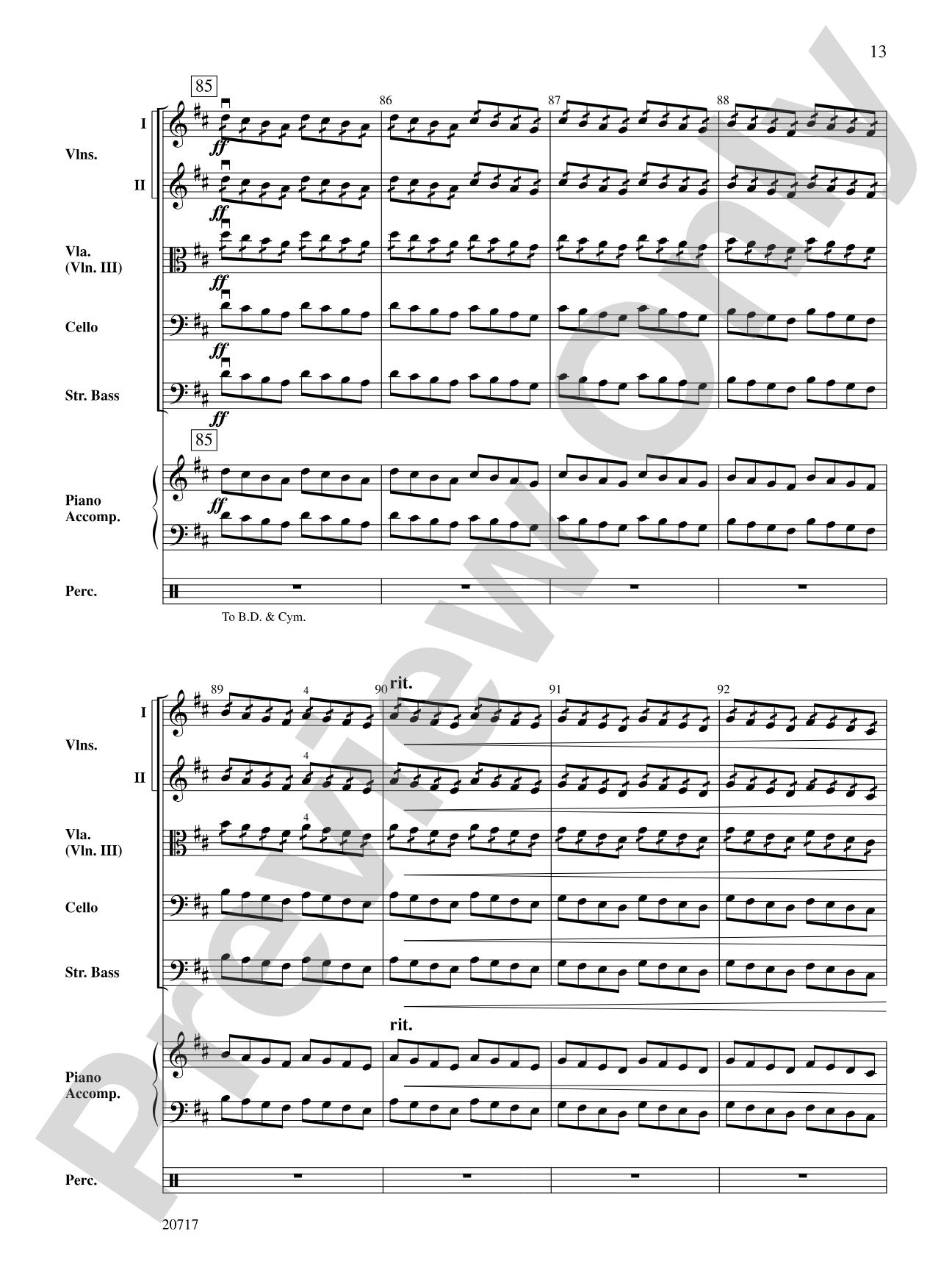
The memorable themes and heroic drama of Tchaikovsky's 1812 Overture are captured in this complete and thoroughly playable arrangement for string orchestra. Optional string divisi sections provide violinists with an extra challenge, while optional percussion parts add interest and recall the great Russian cannon. This arrangement provides an opportunity for students to explore expressive dynamics and bowings typical of the Romantic era. This overture is a festival favorite and will surely bring the audience to their feet as a concert finale. This title is available in MakeMusic Cloud.


Don't just read it, hear it, play along with it, and watch your students grow with it. In MakeMusic Cloud, 1812 Overture: String Orchestra Conductor Score & Parts comes alive with professional accompaniment, adjustable tempo, and built-in practice tools that turn solo practice into real progress.
Open in the Player
Jump straight in and assign it today.
Start Your Free Trial
Open this title and explore the full library in minutes.
Sample Audio
1
Audio File
--:--
0:00
0:00
Sample Video
No sample videos found.
Additional Details
Series:
Highland/Etling String Explorer
Publisher:
Alfred Music
Page Count:
148
SKU:
00-PK-0000457
More about this title
About the Composer: Peter Ilyich Tchaikovsky
Peter Ilyich Tchaikovsky (1840-1893) was a Russian composer whose dramatic gifts and gift for melody made him one of the most performed classical composers worldwide. His orchestral works balance sweeping Romantic emotionalism with structural clarity, and his ability to craft unforgettable themes has secured his place in the concert repertoire across generations.
Why we love this
Andrew Dabczynski's arrangement preserves the iconic themes and emotional arc of Tchaikovsky's masterpiece while keeping the string writing accessible and genuinely playable at the intermediate level. The optional divisi sections and percussion parts allow you to scale the difficulty and spectacle to match your ensemble's strengths, making it work equally well as a challenge piece for a strong group or a confidence-builder for a developing one. As a concert closer, it never fails to land with audiences.
What to expect
Stirring and triumphant. The 1812 Overture moves from intimate, yearning lyricism into surging declarations of heroism and celebration. You'll find sweeping dynamic contrasts, vivid key changes, and moments of genuine orchestral grandeur that make string players feel like they're part of something larger than themselves.
Who it's for
String orchestras at the intermediate level (Grade 2.5) looking for a showstopper that combines accessibility with genuine musical substance. This arrangement works for groups with 8-10 players per section as easily as larger ensembles, and it rewards thoughtful preparation without demanding virtuosic technique.
How to get the most out of it
- Invest rehearsal time in the opening lyrical theme. A well-shaped, singing approach to the Andante will set the emotional foundation and make the contrasting sections land harder.
- Balance the inner strings against the first violins during transitional passages. The arrangement's texture depends on hearing the harmonic movement, not just the melody line.
- Coordinate with your percussion section early. The optional cannon effect and timpani rolls need to feel inevitable, not accidental, and require clear cuing from the podium.
- Prepare separate bowing charts for divisi and non-divisi passages. Violinists should know exactly which version they're playing and practice consistent bow distribution across similar figures.
How to use it
Reserve this for your spring concert or festival finale. It's the kind of piece that audiences recognize immediately and anticipates emotionally, making it ideal for closing a program on a memorable high. You might program it after a contrasting chamber work or lighter piece to show the full range of your ensemble's capabilities.
Skills your students will build
- Expressive dynamic control across long, singing phrases
- Romantic-era bowing techniques and articulation styles
- Reading and executing divided violin sections
- Ensemble balance and blend in multi-textured arrangements
- Responding to conductor cues during key modulations and dramatic shifts